Renee Good's Family Sues U.S. Government and Stephen Miller Over Fatal ICE Shooting
Two federal lawsuits accuse ICE agent Jonathan Ross of excessive force and top Trump officials of running an unconstitutional conspiracy through Operation Metro Surge.
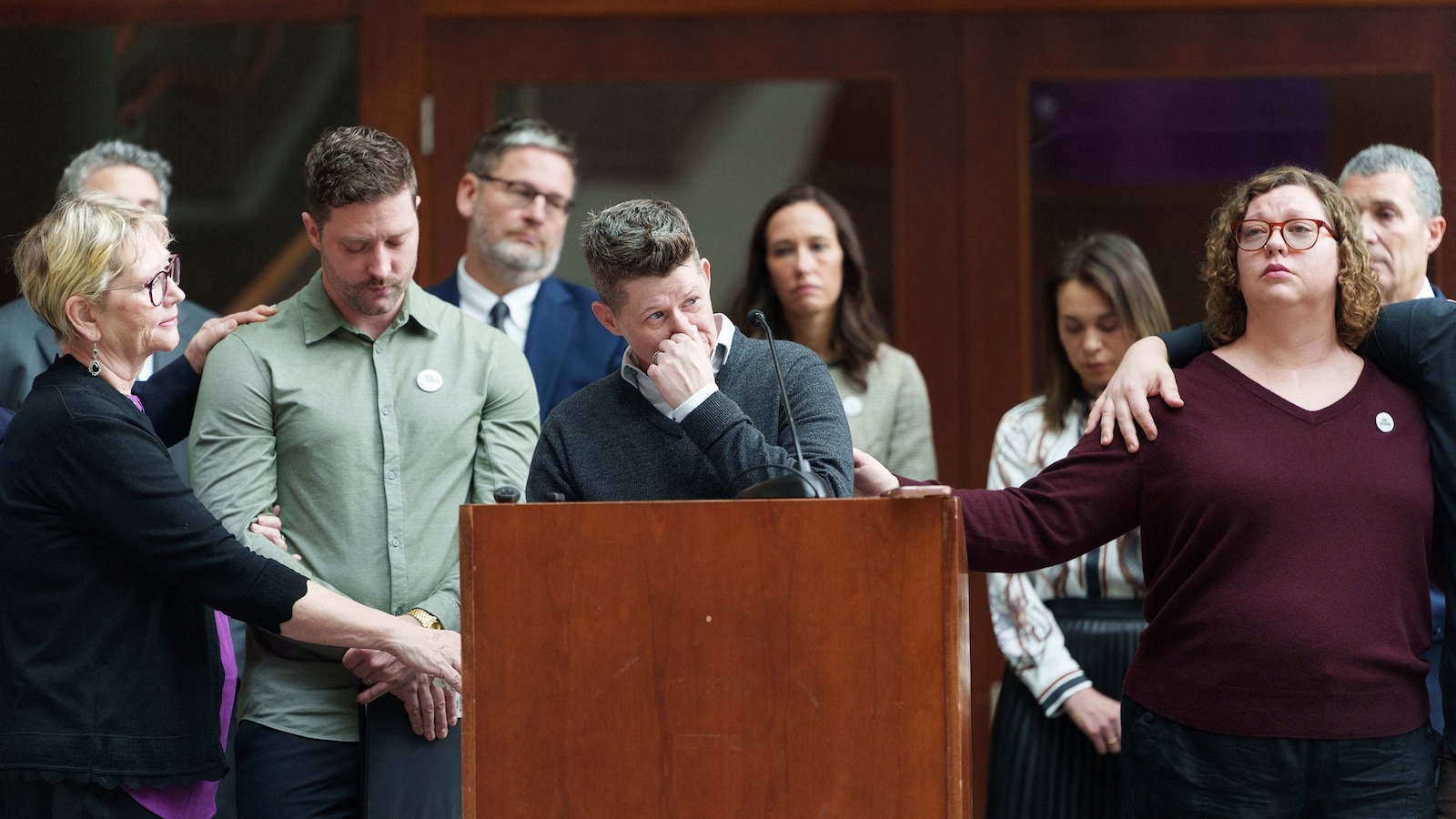
The family of Renee Good filed two federal civil lawsuits on Thursday against the U.S. government and several senior Trump administration officials over her death in a shooting by an Immigration and Customs Enforcement agent in Minneapolis.
Good, a 37-year-old mother of three, was shot on Jan. 7 while sitting in the driver's seat of her Honda Pilot in the middle of a residential street. Federal officials have said the agent, Jonathan Ross, acted in self-defense after she tried to ram him with her vehicle. The family's complaint tells a different story. It says Ross fired through the windshield and an open driver-side window as her SUV was turning away from him.
Brent Ganger and Becca Good are the lead plaintiffs. The first lawsuit was filed under the Federal Tort Claims Act, which allows people to seek compensation for harm caused by federal employees, and names the United States as the sole defendant.
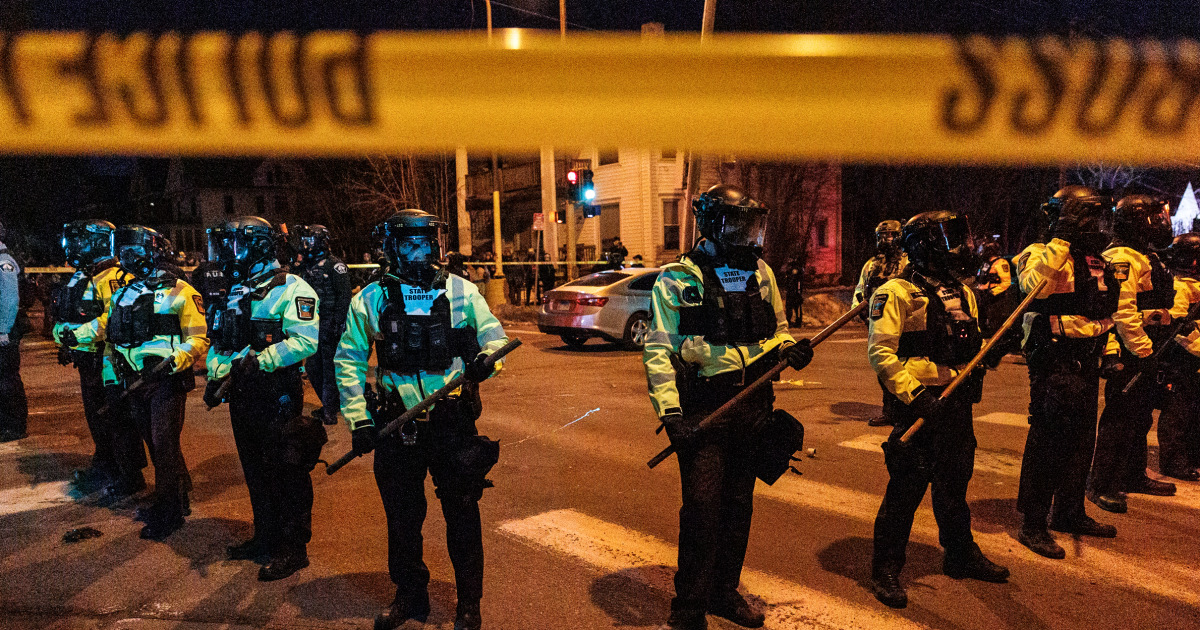
The second suit is more unusual. It relies on the Ku Klux Klan Act of 1871, a Reconstruction-era law that bars conspiracies to deprive people of their constitutional rights. The family argues that Operation Metro Surge, the federal immigration enforcement campaign in the Minneapolis area, was such a conspiracy, one aimed at Somali and Hispanic residents. That suit names Ross personally, along with White House Deputy Chief of Staff Stephen Miller, former Homeland Security Secretary Kristi Noem and border czar Tom Homan, among others.
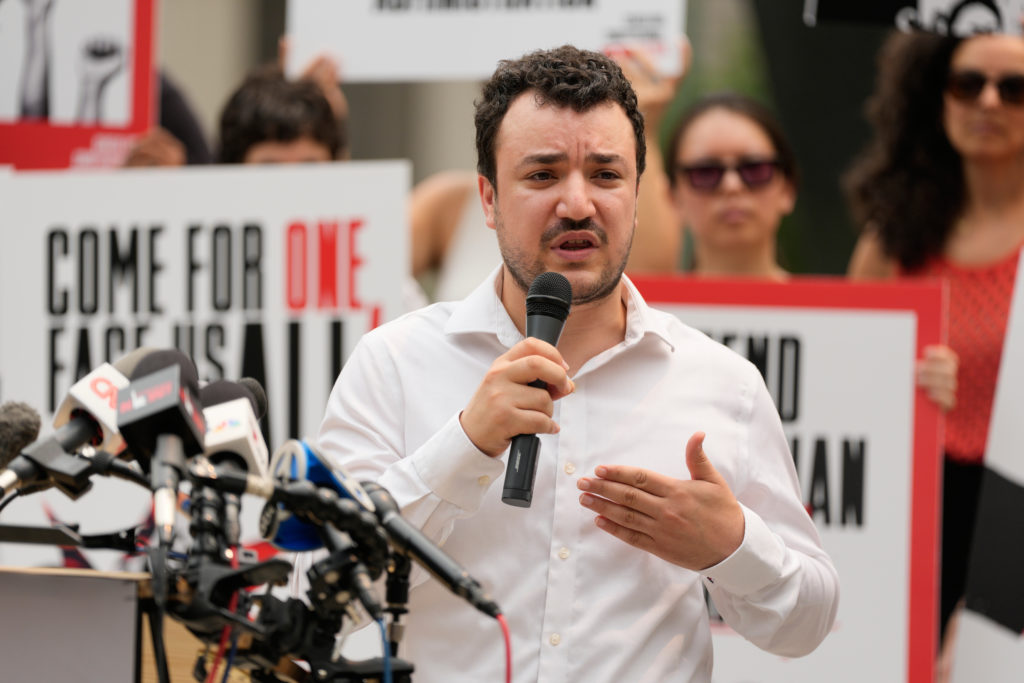
The family is represented by attorney Antonio Romanucci, who also represented the family of George Floyd. "There was only one person who pulled the trigger on Jan. 7, and that's the person who deserves the investigation," Romanucci said. The legal team added that "the day of accountability has arrived for the United States' rogue agencies."
The White House pushed back. Spokeswoman Lauren Bis called the lawsuits "baseless" and said the administration "intends to vigorously defend" against them. The Department of Homeland Security did not immediately respond to a request for comment from ABC News.
The case is one of the most closely watched confrontations between immigration enforcement and local communities this year. The suit's conspiracy claim is a risky legal theory, because plaintiffs must show that officials agreed to violate rights, not merely that an agent used excessive force. The tort claim against the government is the more conventional path, but it faces its own hurdles, including limits on suing the federal government and its employees.
The filings give the Good family a way to force discovery, which could bring internal communications about Operation Metro Surge into public view. No hearing dates have been announced.