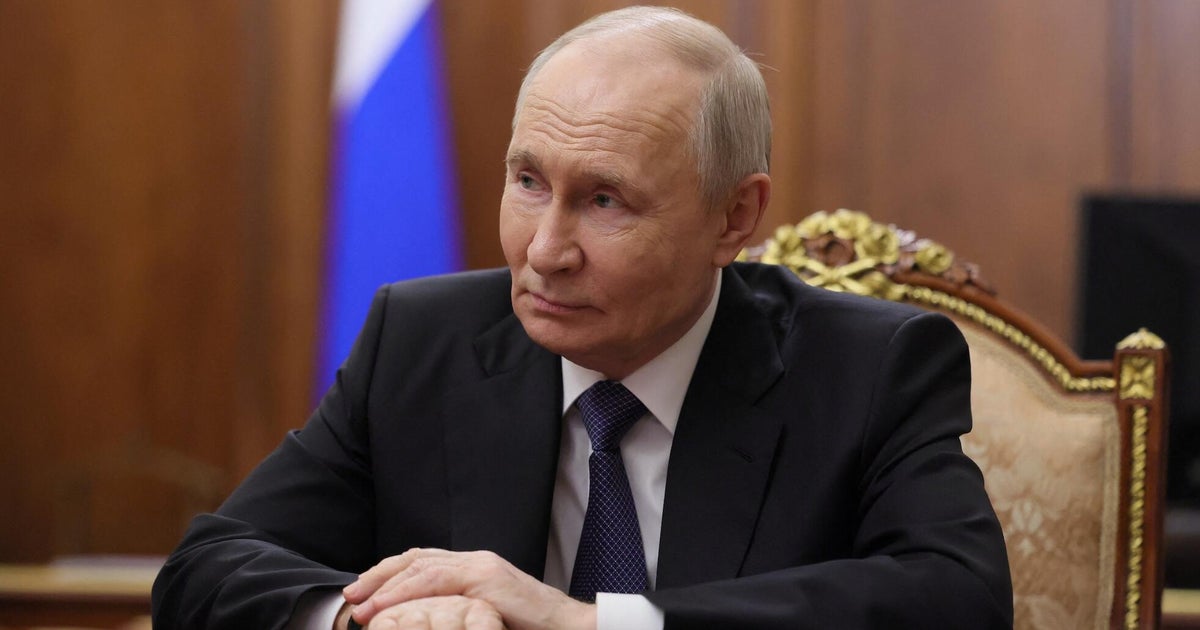
Putin Holds Scaled-Back Victory Day Parade Amid Growing Security Fears
Russia's traditional military display appears diminished as Moscow and other cities can no longer be insulated from ongoing Ukraine conflict.
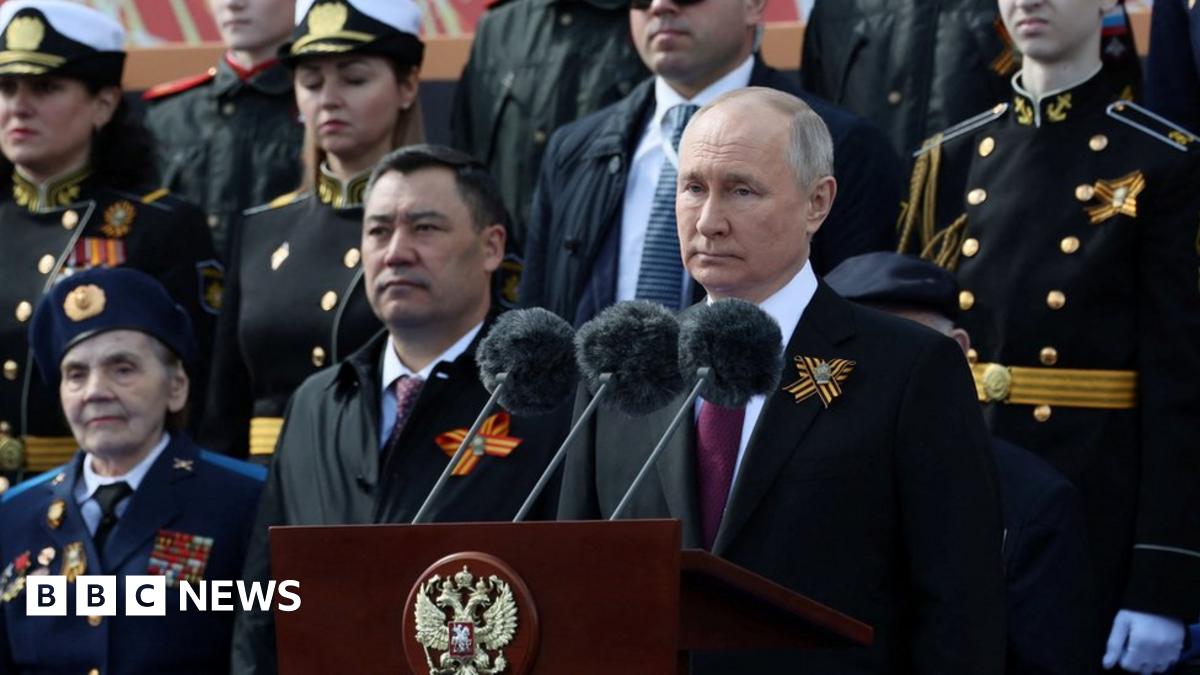
Russia's annual Victory Day parade took place under unprecedented security restrictions this year, with a noticeably scaled-back military display that underscored President Vladimir Putin's growing vulnerability as the Ukraine conflict enters its third year. The traditional showcase of Russian military might, typically held on Moscow's Red Square with great fanfare, was significantly reduced in scope due to what officials described as security concerns, marking a dramatic departure from the grand spectacles of previous years.
The diminished parade reflects the reality that Moscow and other major Russian cities can no longer be completely insulated from the effects of the ongoing war in Ukraine. Security officials cited credible threats that led to the reduction in military hardware displays and the implementation of additional protective measures around the capital. The changes represent a stark acknowledgment that the conflict Putin launched has brought consequences directly to Russia's heartland, contradicting earlier assurances that the war would remain geographically contained.
The parade's reduced scale has been interpreted by military analysts as a sign of Russia's stretched resources and growing domestic concerns about the war's trajectory. Traditional displays of advanced weaponry and large formations of troops were notably absent or significantly reduced, with some equipment that typically features prominently in the parade reportedly deployed instead to active combat zones in Ukraine. This reallocation of military assets for the parade demonstrates the competing demands facing Russian forces.
Putin's speech during the ceremony focused heavily on justifying the ongoing conflict while avoiding specific discussions of military progress or timeline for completion. The Russian president attempted to frame the war in historical terms, drawing parallels to World War II and emphasizing themes of national defense rather than territorial expansion. However, the subdued nature of the event and the visible security measures created an atmosphere markedly different from the triumphant celebrations of previous years.
The international community has closely watched this year's Victory Day observances as an indicator of Russia's domestic confidence and military capabilities. The scaled-back nature of the parade, combined with increased security measures, suggests that the Kremlin is increasingly concerned about potential domestic threats and the war's impact on Russian society. This development adds to growing evidence that the conflict in Ukraine is imposing costs on Russia that extend far beyond the battlefield, affecting everything from military readiness to domestic security and public confidence in the government's handling of the war.