Putin Says Ukraine War May Be Winding Down and Offers Direct Talks With Zelenskyy in Moscow or a Neutral Country, Capping a Week of 1,000-for-1,000 Prisoner Swaps and a Three-Day Ceasefire
The Russian leader's Victory Day overture is his most explicit yet, but Moscow still demands Ukrainian forces leave four annexed oblasts while Kyiv insists on a front-line freeze — and Washington's focus has pivoted to the Iran war.

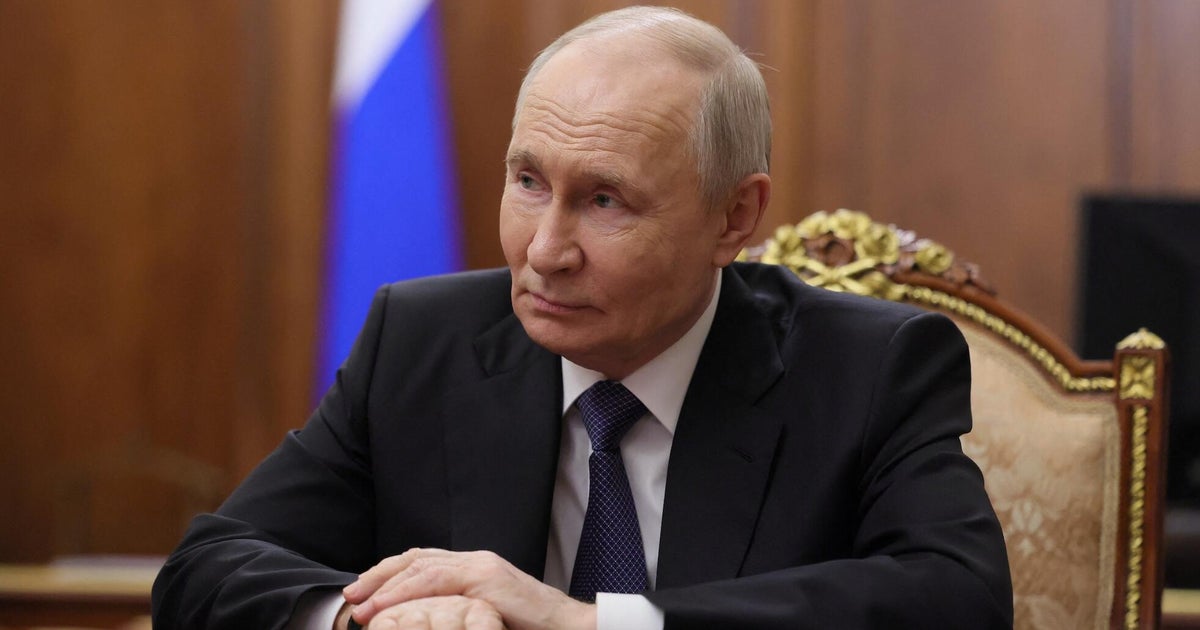
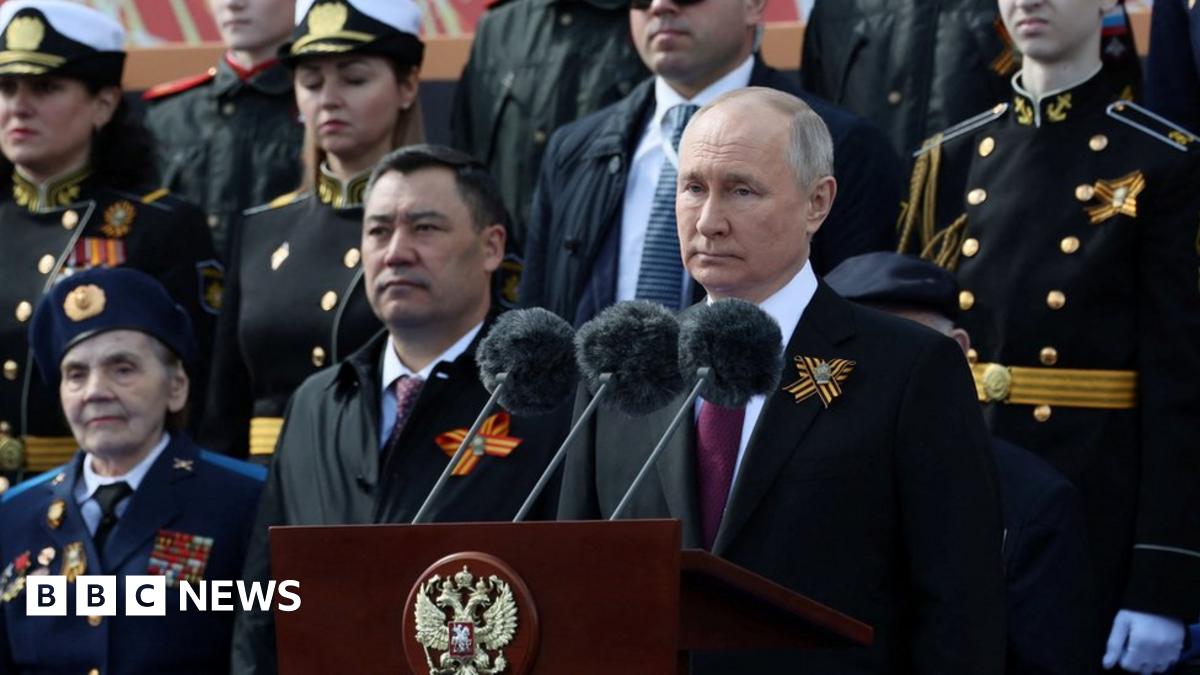
Russian President Vladimir Putin signaled on Sunday that the war his forces launched in February 2022 may finally be winding down, telling reporters in Moscow after Victory Day commemorations that he is prepared to meet Ukrainian counterpart Volodymyr Zelenskyy 'in Moscow or in a neutral country' to negotiate an end to a conflict that has killed tens of thousands of soldiers and reshaped the European security order.
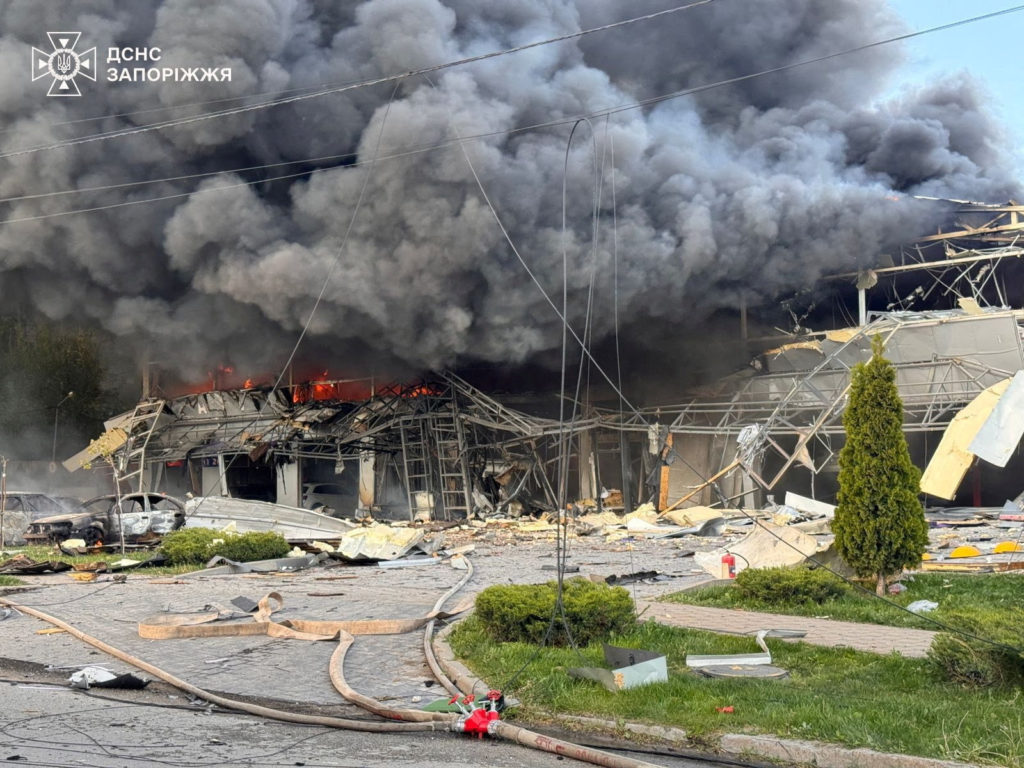
Putin's remarks, his most explicit yet on the prospect of a face-to-face summit with Zelenskyy, capped a turbulent week in which Russia and Ukraine observed a three-day United States-brokered ceasefire — running from May 9 through May 11 — and exchanged 1,000 prisoners of war on each side, the largest single swap of the war. The truce held imperfectly, with both sides accusing the other of violations along the Zaporizhzhia and Donetsk fronts, but the prisoner exchange went ahead on schedule and Russian state television broadcast scenes of returning soldiers embracing their families at a base near Bryansk.
Behind the scenes, however, broader peace negotiations remain stalled and the two sides' positions on the central question of territory remain far apart. Kyiv has told European interlocutors it could accept a freeze of the current front line as the basis for a ceasefire, leaving Russia in de facto control of Crimea and roughly 18 percent of mainland Ukrainian territory while reserving the right to seek full restoration of sovereignty through diplomatic means. Moscow continues to demand that Ukrainian forces withdraw entirely from the four oblasts Russia formally annexed in September 2022 — Donetsk, Luhansk, Kherson and Zaporizhzhia — even though Russia does not militarily control all of them. Putin also continues to insist on a constitutional ban on Ukrainian NATO membership and a sharp reduction in the size of Ukraine's armed forces, both of which Zelenskyy has called nonstarters.
Washington's diplomatic focus has shifted dramatically in recent weeks toward the Iran war, with President Donald Trump telling reporters on Monday that he was 'an hour away' from striking Iranian nuclear facilities before canceling the operation at the request of Gulf allies, and Iran routing a fresh 14-point peace proposal through Pakistani mediators. The pivot has left Special Envoy Steve Witkoff and Secretary of State Marco Rubio with less daily White House attention to give the Ukraine file, even as European leaders push to fill the gap. French President Emmanuel Macron and British Prime Minister Keir Starmer have separately briefed Zelenskyy on a proposed Anglo-French 'military hub' deployment that would station European trainers inside Ukraine after a ceasefire, while German Chancellor Friedrich Merz has signaled openness to placing Taurus cruise missiles under joint NATO command in Poland.
Ukrainian officials say they are waiting to see whether Putin's overture about a direct meeting is a genuine break or a tactical maneuver designed to undercut European unity and buy time for Russia's slow grind in the Donbas. Speaking to reporters in Kyiv on Monday, Zelenskyy said he was 'seeking details' of Putin's Victory Day proposal and reiterated that he is prepared to meet 'anywhere, any time, with no preconditions,' but added that any summit must be preceded by a verifiable cessation of strikes against Ukrainian energy infrastructure. The Russian side has yet to set a date, and Kremlin spokesman Dmitry Peskov said only that 'serious preparation' would be required, leaving open the possibility that the offer is more about messaging than substance.