Higher Prenatal Estrogen May Have Helped Grow the Human Brain, Finger-Length Study Finds
In 225 newborns, boys whose finger proportions signaled more estrogen in the womb had larger heads — evidence for the 'estrogenized ape' idea of how our species evolved its outsized brain.
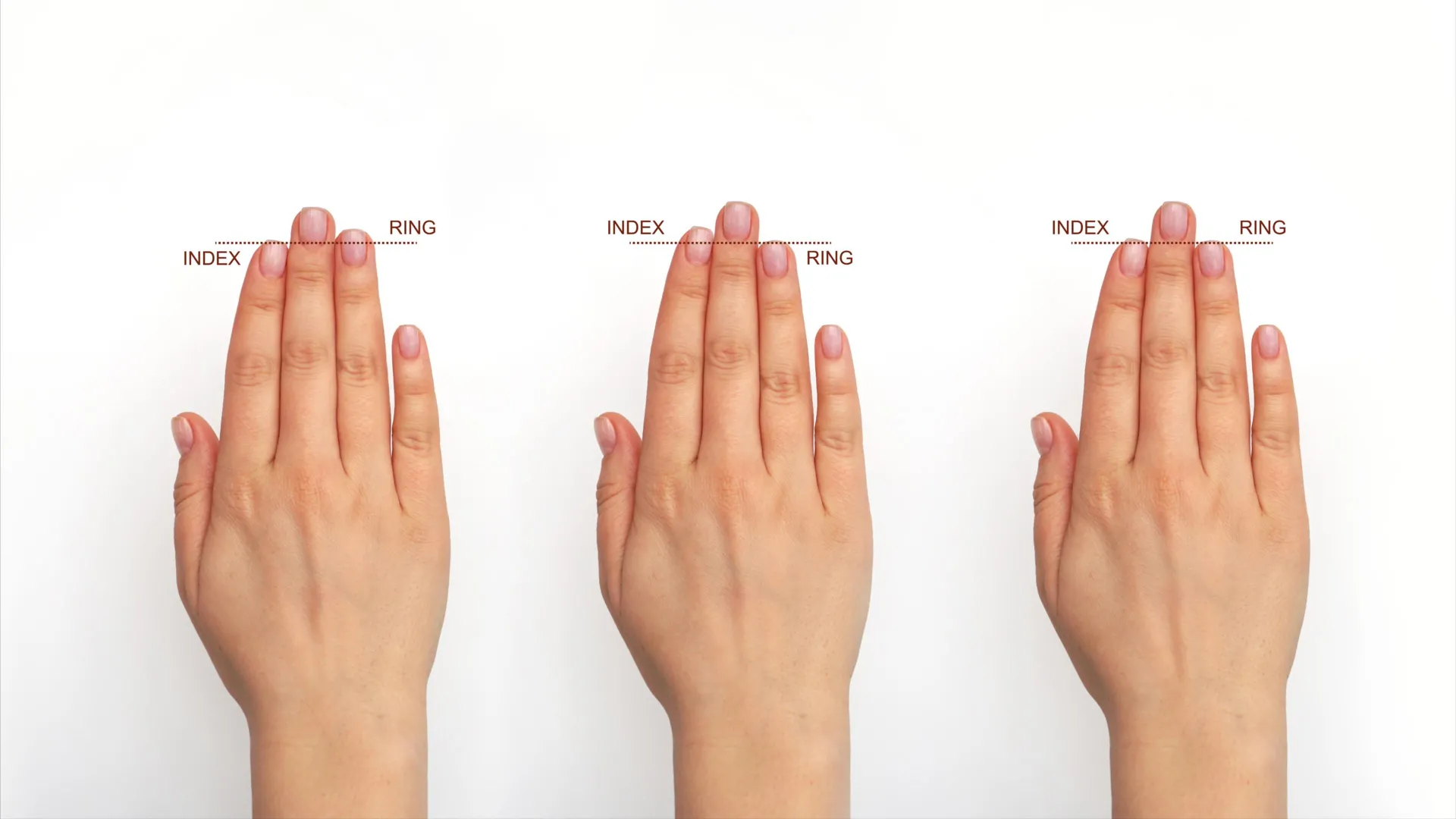
A new study of newborn babies suggests that estrogen in the womb may have played a surprising role in the evolution of the unusually large human brain. Researchers from Swansea University's Applied Sports, Technology, Exercise and Medicine team, working with anthropologists at Istanbul University, found that infant boys whose finger proportions pointed to higher prenatal estrogen exposure tended to be born with larger heads — a widely used proxy for brain size.
The team studied 225 newborns, 100 boys and 125 girls, measuring each baby's digit ratio and comparing it with head circumference. The digit ratio, a comparison of the length of the index finger to the ring finger known as 2D:4D, is treated by scientists as an indirect marker of the balance of hormones a fetus was exposed to during the first trimester. A higher ratio suggests relatively more estrogen compared with testosterone in early development.
Among the boys, a higher digit ratio — signaling greater estrogen exposure — was associated with a larger head circumference. Strikingly, the same relationship did not appear in the girls, pointing to a sex-based difference in how prenatal hormones may shape early brain growth. The researchers cautioned that the underlying biological mechanism is not yet clear, but the pattern adds to a growing body of evidence linking estrogen to brain development.
The findings, published in the journal Early Human Development by Özener, Manning, Ertuğrul and Aydık, support what scientists call the "estrogenized ape hypothesis." The idea holds that the human brain grew larger in tandem with a broader "feminization" of the skeleton over evolutionary time, and that estrogen was a key driver of both changes. If correct, it reframes a hormone often associated narrowly with reproduction as a central player in what makes humans cognitively distinct.
Lead researcher John Manning suggested the trade-off may have come at a cost. "Increases in brain size may offset these problems," he said of the developmental pressures involved, adding that "the evolutionary drive for larger brains in humans may inevitably be linked to reductions in male viability." In other words, the very hormonal shifts that helped enlarge the brain may have carried biological penalties for male development — a tension the researchers say could have shaped the course of human evolution.
The study stops short of proving cause and effect, and larger samples will be needed to confirm the link and to probe why boys and girls responded so differently. But by tying a simple, measurable feature of the hand to one of the deepest questions in human evolution, the work offers a fresh window on how our species came to think, and it hands scientists an inexpensive tool for testing hormone-and-brain hypotheses in far larger populations.