Physicists Watch 'Jamming' Give a Brain-Like Chip Material Its Memory
UC San Diego researchers used coherent X-rays to see inside a working vanadium dioxide neuristor, finding that jammed flow lets it learn and free flow erases what it learned.

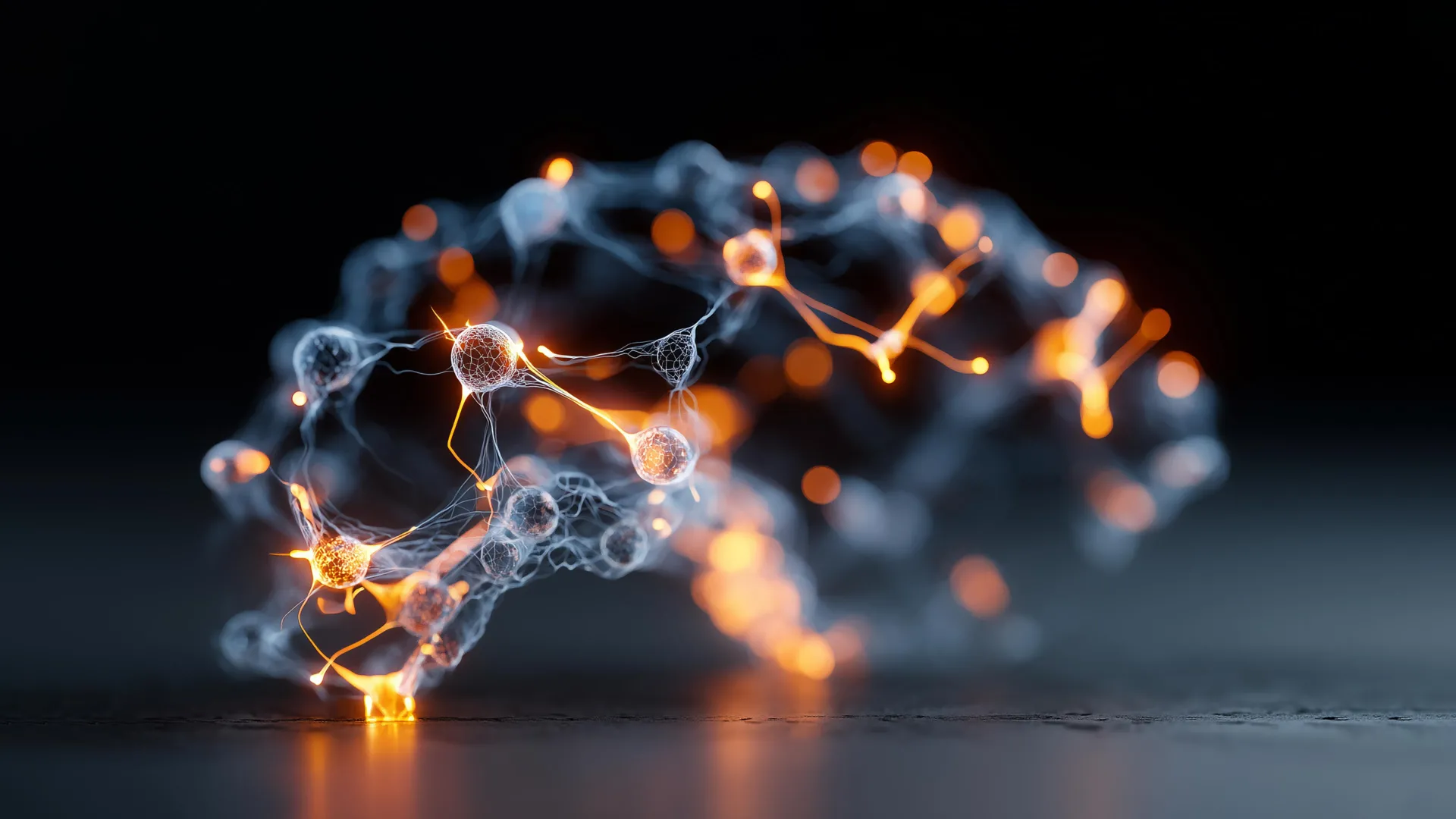
Brain-like computer chips depend on materials that can remember. A team at the University of California San Diego now reports it has watched, inside a working device, how one such material forms and erases its memory: by jamming and unjamming, much like a crowd on a train platform.
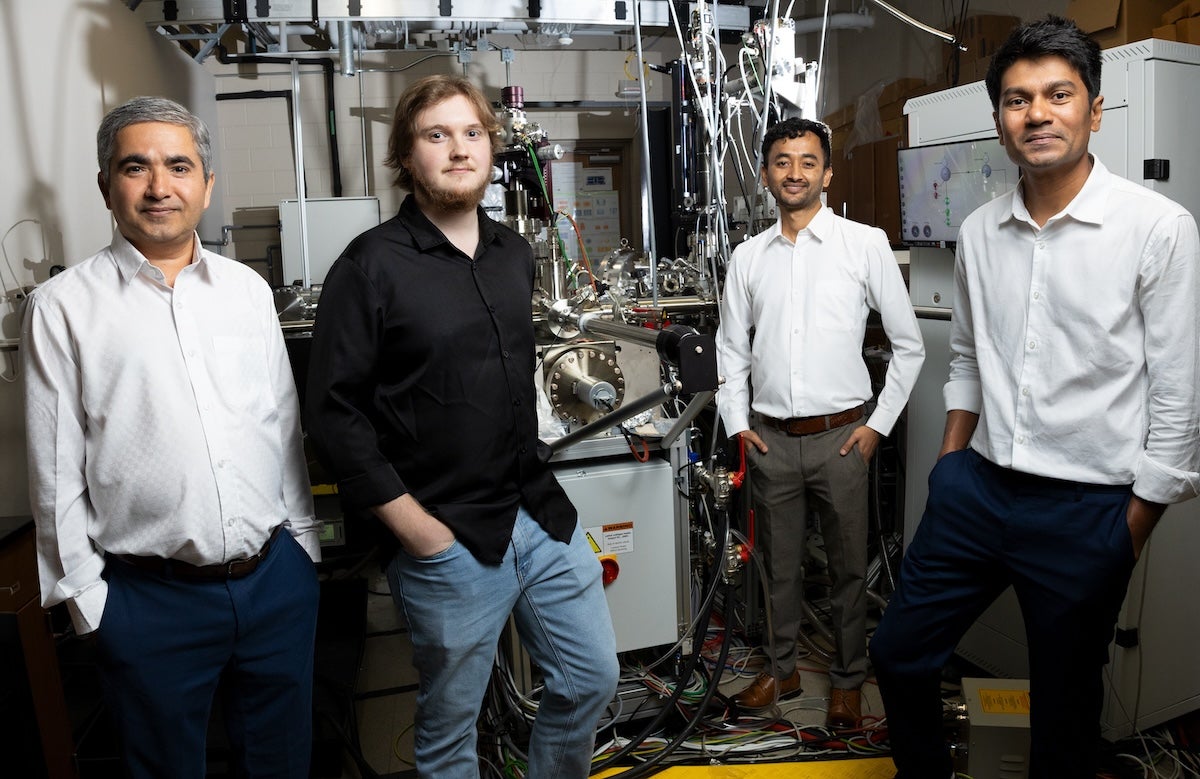
The researchers, led by physics professor Oleg Shpyrko, with Nicolò D'Anna as first author, published the work in Nature Communications under the title "Jamming-controlled stochasticity in metal-insulator switching." The paper's DOI is 10.1038/s41467-026-76844-2.
Understanding and controlling phase transitions is central to many technologies. The team focused on materials where structural and electronic phase transitions are coupled. Controlling how smoothly or abruptly such a transition happens gives the material built-in memory, a key step in imitating neurons and synapses for neuromorphic, or brain-like, computing.
The device the team studied was a neuristor, a component that mimics a neuron, made of vanadium dioxide. To see inside it, the team developed a new approach to coherent X-ray diffraction, a microscopy technique sensitive to the nanoscale arrangement of domains in a material. They took measurements while electricity was applied and the device was operating, rather than before and after.
What they saw was a transition between a liquid-like state and a jammed, glassy state. When the platform is crowded, the movement of one person affects everyone else, and the domains inside the material behave the same way. In the researchers' words, jamming the flow enables learning, and restoring free flow erases memory.
The authors say the finding could help build more energy-efficient neuromorphic hardware, because controlling how such devices learn and forget is central to how they work. The write-up does not report switching speeds, energy figures or sample sizes, and it gives no device benchmarks. The result is an observation of the mechanism, not a finished chip.
The study ties a practical goal, hardware that learns without the huge energy bills of today's data centers, to a basic physics question about how disordered, flowing matter freezes. Phys.org published the report on Oct. 14, 2026.
Vanadium dioxide is a standard test material for this kind of work because it can switch between a metal-like state that conducts electricity and an insulating state that does not. That switching is what a neuristor uses to fire, much as a nerve cell does. The new measurements show that the switching is not a clean on-off event. Inside the material, regions of metal and insulator rearrange themselves in a random, history-dependent way, and the jammed state is what lets the device hold a trace of its past inputs.