Peru's Presidential Runoff Pits Conservative Against Leftist After Crisis-Marked Campaign
Keiko Fujimori faces Roberto Sánchez in election following delays and protests that have highlighted deep divisions in the South American nation.

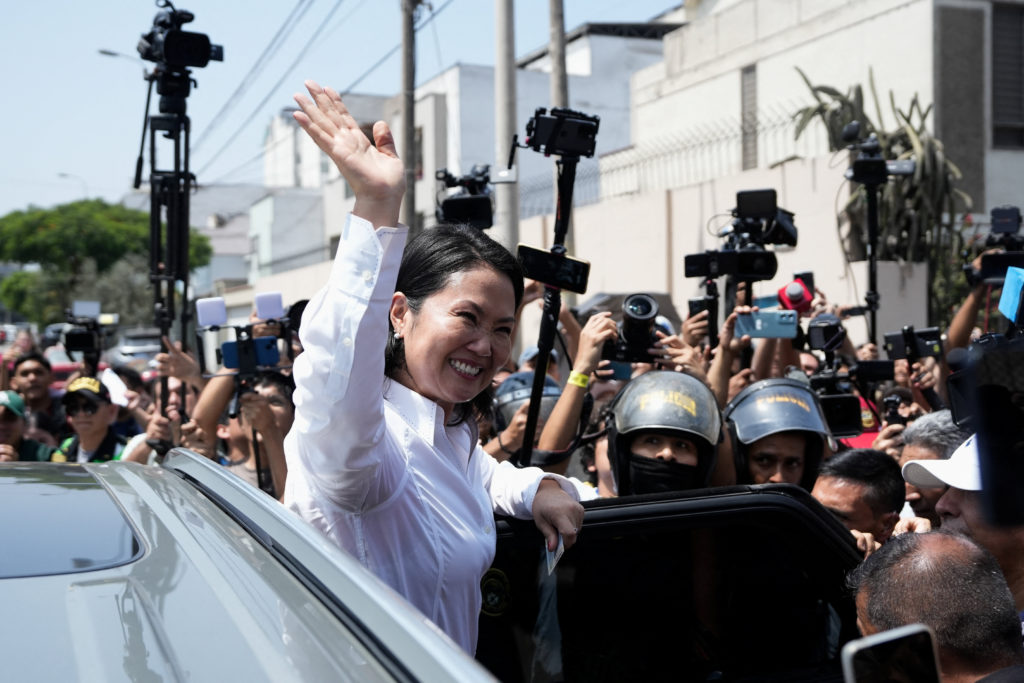
Peru heads into a crucial presidential runoff election that will offer voters two starkly different visions for the nation's future, as conservative candidate Keiko Fujimori faces off against leftist Roberto Sánchez following a campaign marked by significant delays and widespread protests. The election comes after a turbulent period that has exposed deep political and social divisions within the South American country.
Fujimori, the daughter of former authoritarian president Alberto Fujimori, represents the conservative wing of Peruvian politics and has campaigned on promises of economic stability and law-and-order policies. Her candidacy has been controversial due to her family's political legacy, which includes both economic reforms and serious human rights violations during her father's rule in the 1990s. Despite legal challenges and corruption investigations, Fujimori has maintained a significant political base among voters who credit her family with bringing stability to Peru during a period of economic chaos and terrorist violence.
Sánchez, running on a leftist platform, has appealed to voters frustrated with economic inequality and political corruption that has plagued Peru in recent years. His campaign has focused on promises of social reform, increased government spending on education and healthcare, and policies designed to benefit Peru's indigenous population and rural communities. Sánchez's supporters argue that Peru needs fundamental changes to address systemic problems that have left many citizens behind despite periods of economic growth.
The election follows a crisis-marked campaign that has been characterized by delays, legal challenges, and street protests from supporters of both candidates. Election officials have faced criticism over their handling of the electoral process, with allegations of irregularities and concerns about the integrity of the voting system. The protests and political tension have raised questions about Peru's democratic institutions and their ability to manage peaceful transitions of power.
The outcome of this runoff will have significant implications for Peru's relationship with neighboring countries and international partners. Fujimori's victory would likely mean continuity in economic policies and closer ties with traditional allies, while a Sánchez win could signal a shift toward more left-leaning policies similar to those adopted by other South American nations in recent years. International observers are closely watching the election results and the aftermath to assess the stability of democratic institutions in a region that has experienced significant political volatility in recent decades.