Peru Votes in a Knife-Edge Runoff as Keiko Fujimori Faces Leftist Roberto Sánchez
Sunday's presidential runoff pits the right-wing daughter of jailed ex-president Alberto Fujimori against a leftist congressman, with the latest poll showing the race a statistical dead heat.

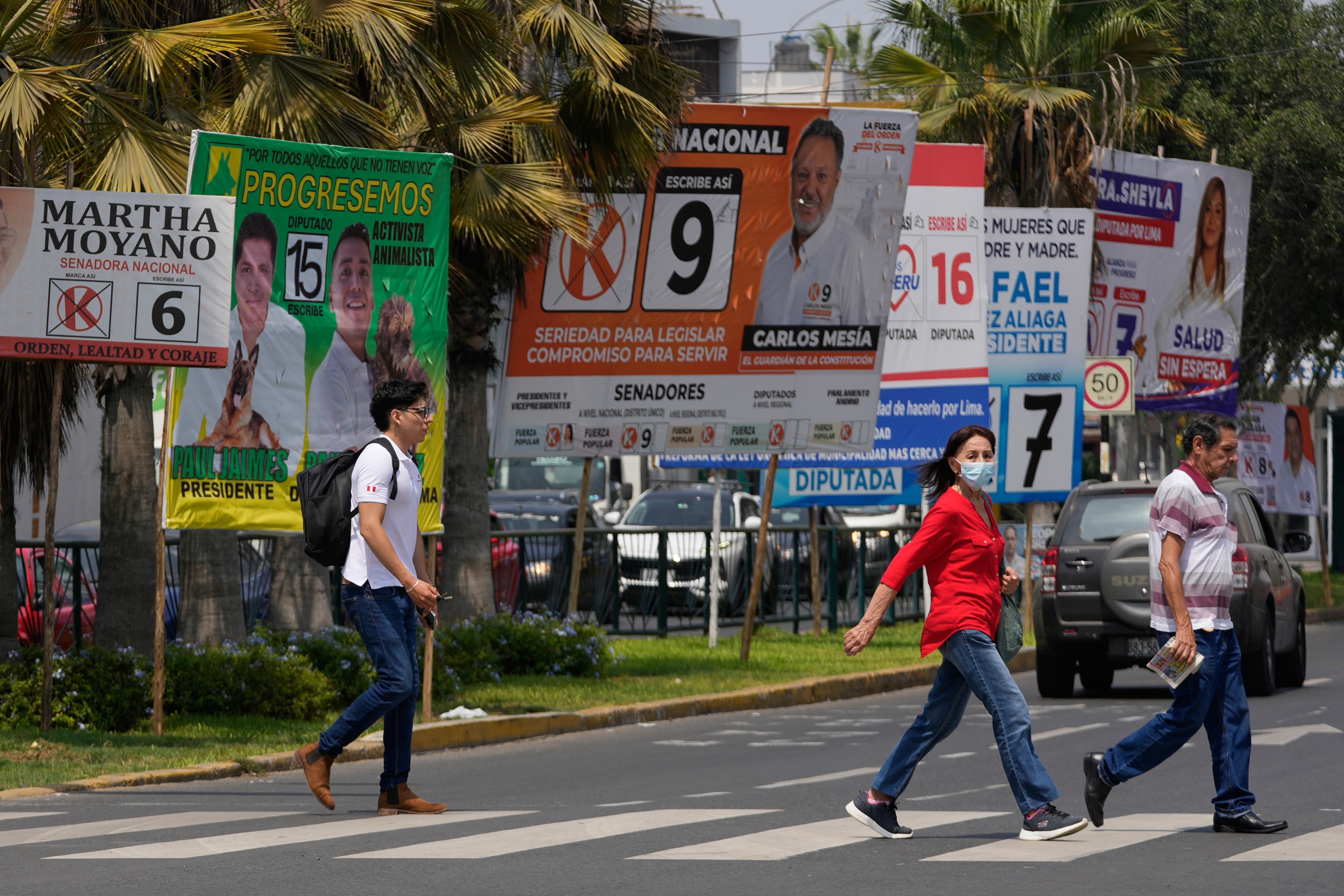
Peruvians head to the polls Sunday in a presidential runoff that has split the country between right-wing veteran Keiko Fujimori and leftist congressman Roberto Sánchez, with the final pre-election survey showing the two candidates locked in a statistical tie.
Fujimori, the leader of the conservative Popular Force party and the daughter of jailed former president Alberto Fujimori, advanced to her fourth consecutive presidential runoff after winning about 17% of valid votes in the first round. Sánchez, of the Together for Peru party, reached the second round with roughly 12% — a remarkable showing in a fragmented field that scattered support across more than a dozen candidates.
According to an Ipsos poll conducted June 3, the race is essentially deadlocked: Sánchez held 43.8% support to Fujimori's 43.2%, a gap well within the margin of error, while about 13% of voters remained undecided or said they intended to cast a blank or spoiled ballot. The National Jury of Elections confirmed the runoff would take place on its scheduled date of June 7.
The contest distills years of political volatility in Peru, a country that has churned through a succession of presidents amid impeachments, resignations and corruption scandals. Fujimori carries both a powerful brand and heavy baggage: her father is serving prison time, and she herself has faced repeated legal battles tied to campaign financing. Her candidacy galvanizes a loyal conservative base while energizing an equally determined anti-Fujimori movement that has helped defeat her in past runoffs.
Sánchez, by contrast, has campaigned on a left-wing platform emphasizing economic relief and a break from the establishment, seeking to consolidate the protest vote of Peruvians frustrated by years of instability and stagnant living standards. His path to the presidency depends on turning out first-round backers of other left-leaning and outsider candidates while peeling away undecided voters in the final hours.
Whoever wins will inherit a fractured Congress, a restive electorate and a mandate to restore confidence in institutions battered by repeated crises. With the polls showing the candidates separated by less than a percentage point, the outcome could hinge on turnout, the blank-ballot rate and which campaign more effectively closes the deal with the roughly one in eight voters who, days before the vote, still had not made up their minds.
International observers, including missions from the Organization of American States, were on hand to monitor the vote, and electoral authorities urged Peruvians to respect the official results once the ballots are counted. Markets and Peru's neighbors are watching closely: the Andean nation is a major copper producer, and investors have grown wary of the policy swings that have accompanied its political turbulence. Analysts cautioned that with the candidates separated by a fraction of a point, a definitive result might not be clear until election authorities tally votes from rural and remote districts, where logistics can delay the final count.