Markets Plunge Over 500 Points After Trump's China Summit Yields Few Agreements
Global bonds and oil prices surge as investors react to lack of progress between U.S. and China, raising concerns about trade and geopolitical tensions.

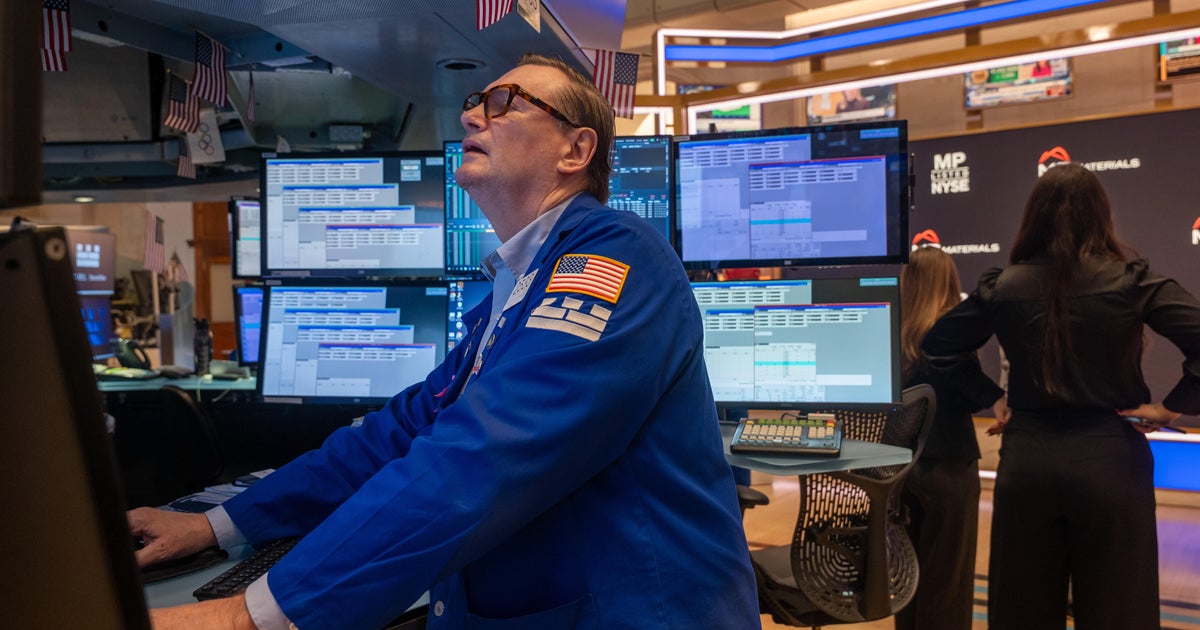
U.S. stock markets suffered a sharp selloff on Friday, with the Dow Jones Industrial Average plunging more than 500 points as investors reacted negatively to the lack of concrete agreements from President Trump's summit with Chinese leader Xi Jinping. The broad market decline reflected growing concerns about the durability of U.S.-China relations and the potential for increased economic tensions between the world's two largest economies.
Government bonds around the world sold off sharply as oil prices jumped, both driven by developments related to the Iran war and disappointing diplomatic outcomes from Trump's Beijing visit. The combination of geopolitical uncertainty and strained superpower relations created a risk-off environment that sent investors fleeing from equities toward perceived safe-haven assets.
The market reaction underscored investor expectations that Trump's personality-driven approach to foreign policy would yield tangible results from his direct engagement with Xi. The absence of major trade deals, diplomatic breakthroughs, or joint statements left many market participants concerned about the trajectory of bilateral relations between Washington and Beijing.
Bond markets reflected similar anxiety, with yields rising as investors demanded higher premiums for government debt amid the uncertain international environment. Oil prices surged on supply concerns related to ongoing conflicts in the Middle East, adding inflationary pressure that further complicated the economic outlook.
The market volatility highlighted how closely financial markets are monitoring geopolitical developments, particularly given the interconnected nature of global trade and supply chains. Investors appeared to be pricing in increased uncertainty about future economic cooperation between the United States and China, potentially affecting everything from technology transfers to agricultural trade that had been expected to benefit from improved diplomatic relations.