Dow Plunges 793 Points in Worst Single-Day Drop Since the COVID Pandemic
Wall Street suffers its sharpest decline in years as Iran war energy fears and Strait of Hormuz disruptions send S&P 500 to a seven-month low.
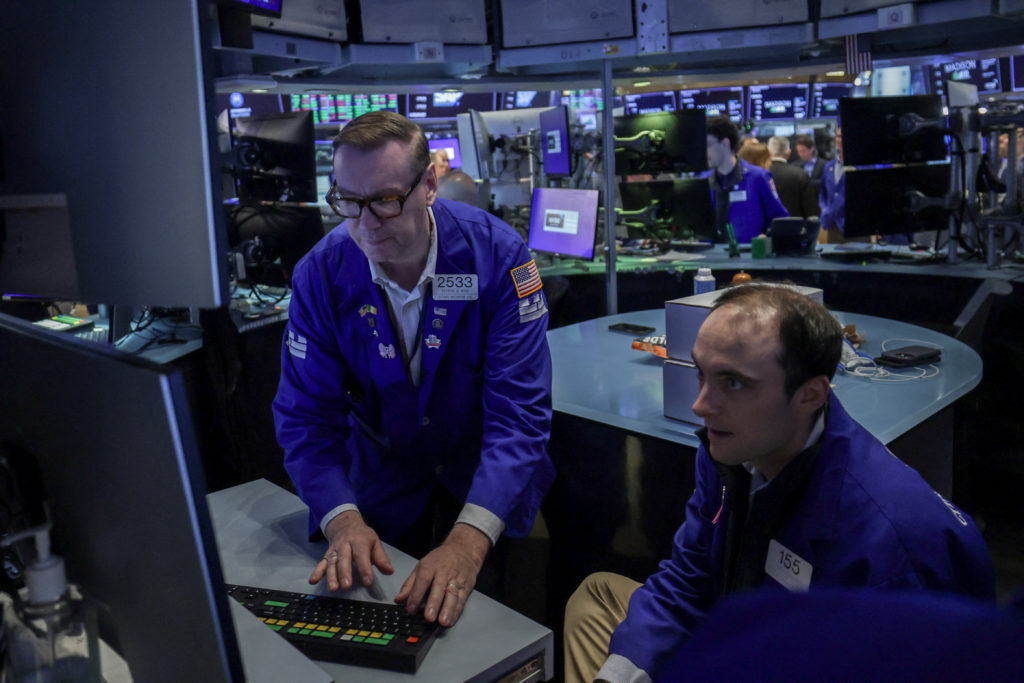
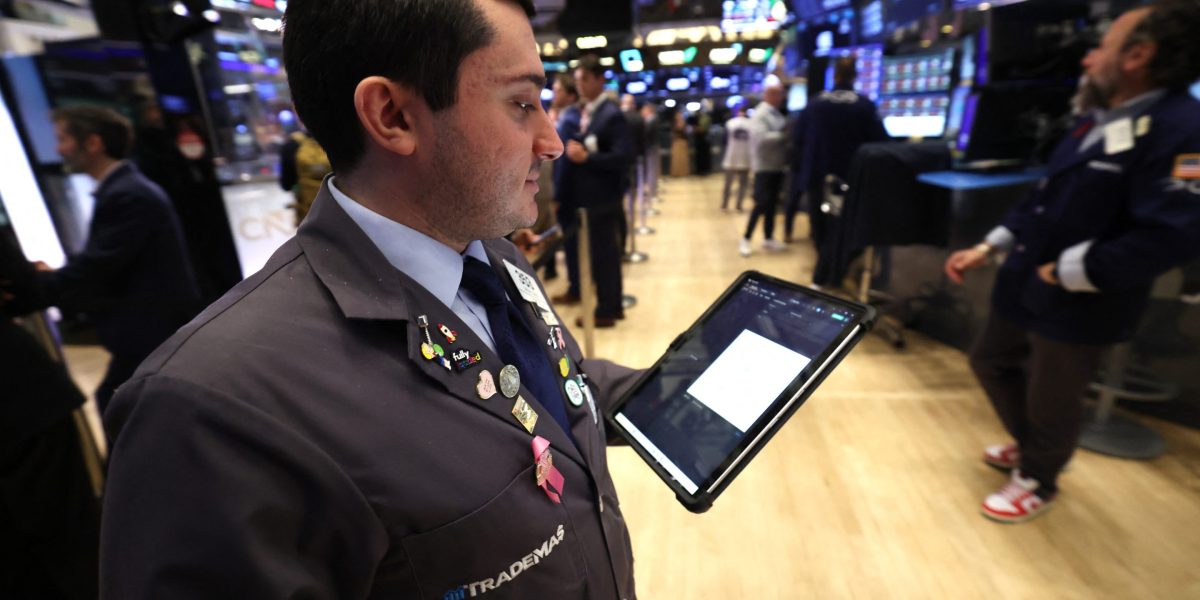
Wall Street suffered its sharpest single-day decline since the COVID-19 pandemic on Friday, with the Dow Jones Industrial Average plunging 793.47 points — a drop of 1.73 percent — as fears about energy supply disruptions from the ongoing US-Iran war shook investor confidence across every major sector. The selloff erased hundreds of billions of dollars in market value and left the S&P 500 at its lowest level in seven months, deepening what is shaping up to be one of the most turbulent months for financial markets in years.
The S&P 500 fell 1.67 percent on Friday, bringing its March decline to approximately 6.8 percent with just a few trading days remaining in the month. If those losses hold, March 2026 will be the worst month for the index since December 2022. The Nasdaq Composite declined 2.15 percent as technology stocks, which had been a rare bright spot earlier in the year, joined the broader selloff. The Dow Jones entered correction territory on Friday, defined as a decline of 10 percent or more from a recent peak.
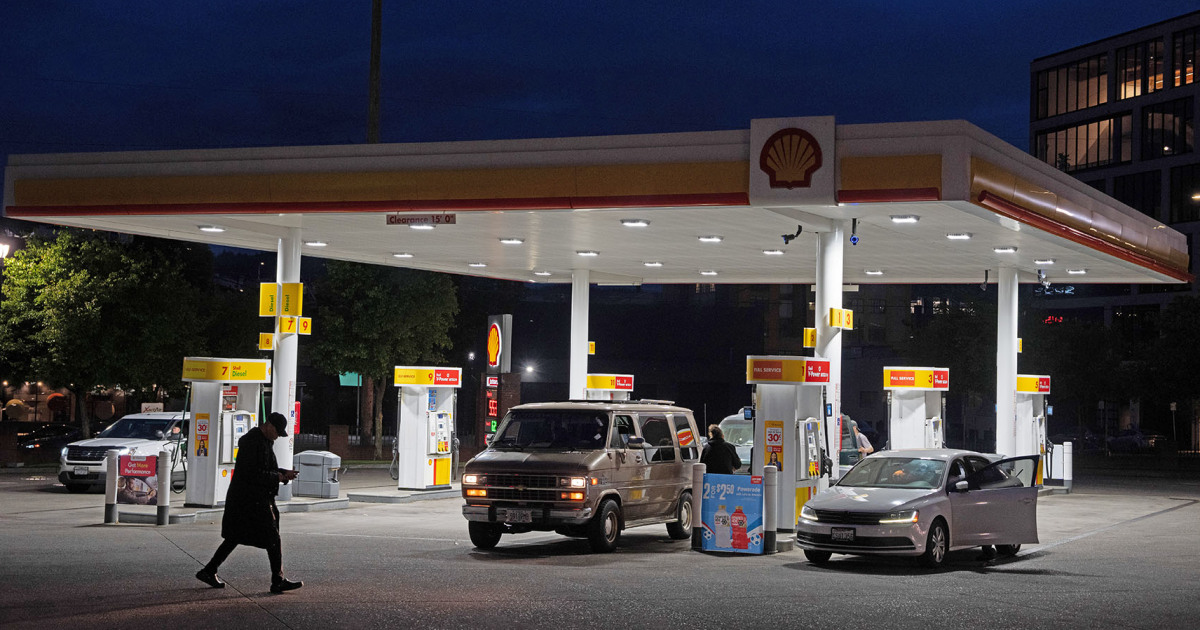
The primary driver of the market turmoil was the Iran war's disruption of the Strait of Hormuz, through which roughly 20 percent of global petroleum liquids flow each day. Iran's Revolutionary Guard Corps has set up a de facto toll booth in the waterway, and commercial shipping has been severely disrupted. Brent crude oil surged past $110 per barrel during Friday's session, a price level not seen since the energy crisis years. Energy companies initially gained on the oil price spike, but broader market fears overwhelmed even the sector that typically benefits from higher crude prices.
Transportation stocks fell sharply as investors priced in higher fuel costs and supply chain disruptions. Airlines, already reeling from the 42-day DHS shutdown that has caused staffing shortages at TSA checkpoints, saw their shares fall further on Friday as jet fuel costs climbed. Shipping and logistics companies also declined as freight costs rose and delivery timelines became uncertain. Consumer staples and utilities — often seen as safe havens — saw modest inflows, but not enough to offset the broad-based selling pressure.
The Federal Reserve faces a growing dilemma. The Iran war has simultaneously pushed energy prices higher — a potential catalyst for renewed inflation — while threatening to tip the global economy into recession through supply disruptions and collapsing business confidence. Fed Chair Jerome Powell and other central bank officials have scheduled no imminent announcements, but market participants are watching for any signal about whether the central bank would adjust interest rates to address the diverging pressures. Bond yields fell Friday as investors sought safety, suggesting the market currently believes recession risk outweighs inflation concerns.
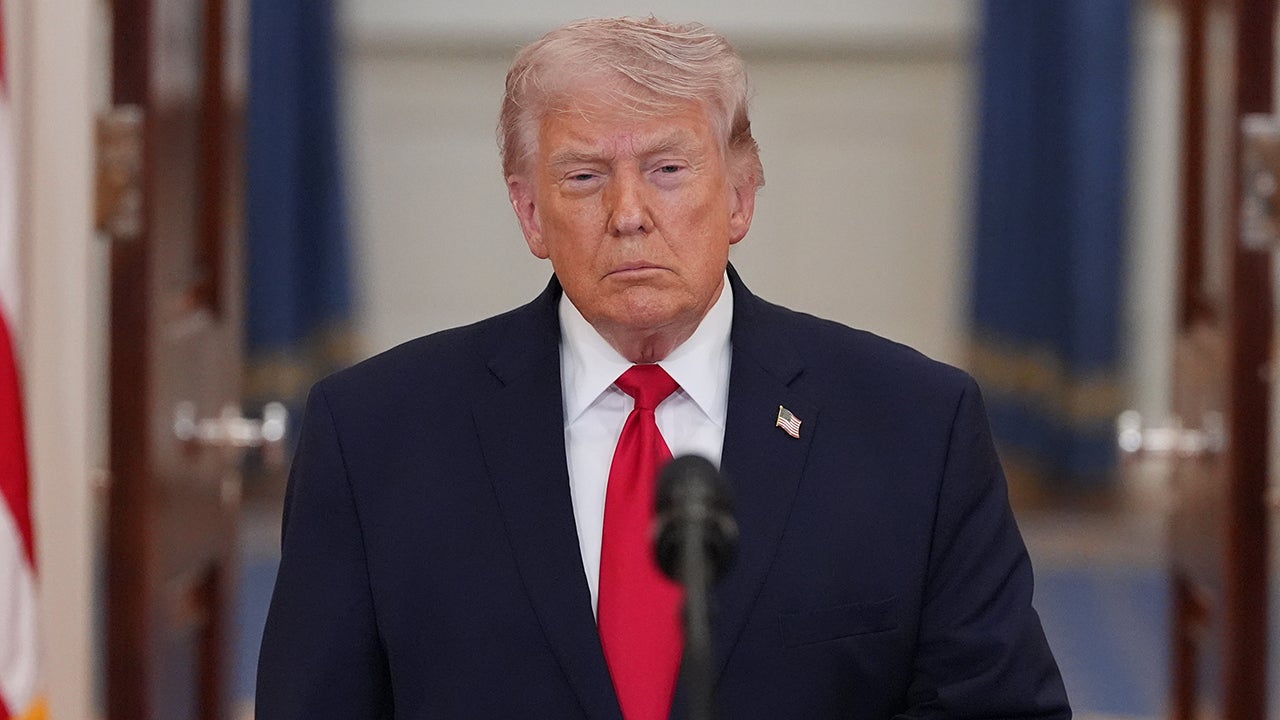
International markets had already signaled the coming volatility before US markets opened. European equities fell across the board, with the German DAX declining more than 2 percent and the French CAC 40 dropping 1.8 percent. Asian markets, particularly in Japan and South Korea — both of which are heavily dependent on Middle Eastern oil — posted steep losses overnight. Japan's Nikkei fell 2.4 percent after the government announced it was releasing emergency oil reserves. South Korea's KOSPI dropped 2.1 percent after Seoul declared an emergency economic response. Analysts warn that if the Strait of Hormuz remains disrupted beyond the April 6 deadline Trump has set for Iran, further market declines are likely.