Dow Surges 1,000 Points and S&P 500 Hits Record 7,100 as Iran Opens Strait of Hormuz
Oil prices plunged more than 10% while stocks rocketed to all-time highs after Iran declared the critical waterway completely open during the Israel-Lebanon ceasefire.
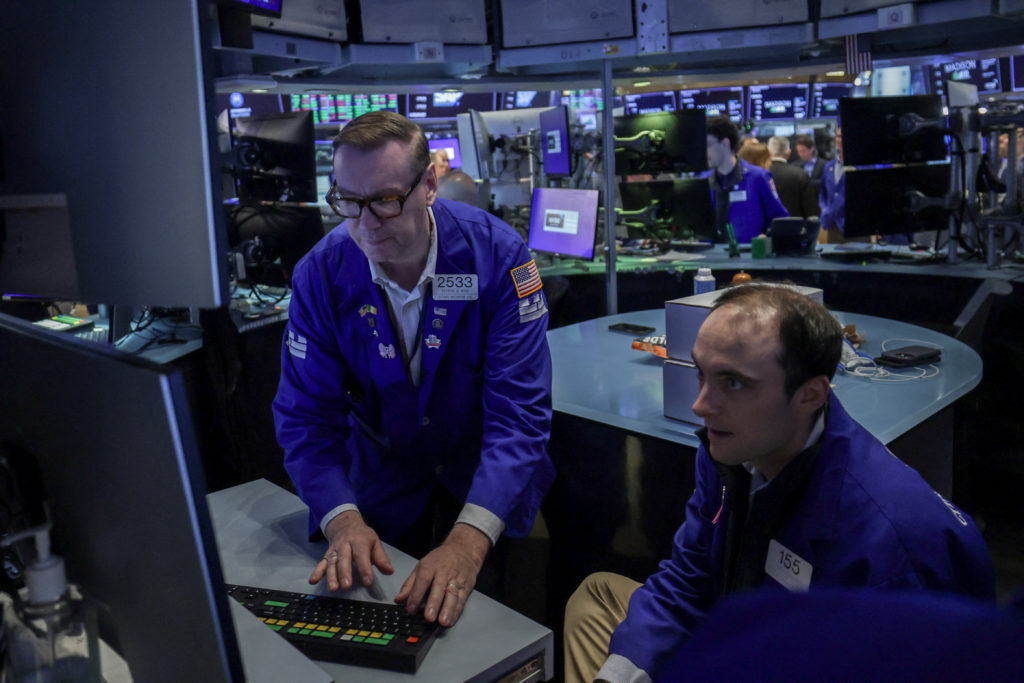
U.S. stocks surged to new record highs on Friday as Iran declared the Strait of Hormuz "completely open" for commercial vessels, sparking a massive relief rally that sent the Dow Jones Industrial Average soaring more than 1,000 points and drove oil prices to their lowest levels in over a month.
The Dow Jones Industrial Average jumped 1,005 points, or approximately 2.1%, while the S&P 500 gained 1.3%, closing above the 7,100 level for the first time in its history. The Nasdaq Composite rose 1.5%, achieving its longest winning streak since 1992. Smaller companies also rallied sharply, with the Russell 2000 small-cap index hitting an all-time high, crossing 2,750 — surpassing its previous record of 2,735 set in January.
The catalyst was a social media post from Iranian Foreign Minister Seyed Abbas Araghchi announcing that "the passage for all commercial vessels through Strait of Hormuz is declared completely open for the remaining period of ceasefire." President Trump reinforced the announcement on Truth Social, saying the strait was "fully open and ready for full passage." The 10-day ceasefire between Israel and Lebanon, brokered in part by the Trump administration, had taken effect on April 16, and Iran's decision to reopen the strait followed closely.
The Strait of Hormuz is one of the world's most critical maritime chokepoints, through which approximately 20% of the world's oil supply passes. When Iran threatened to close the strait at the outset of the Israel-Iran conflict, oil prices had surged more than 30% above pre-conflict levels, unsettling energy markets and raising inflationary concerns. Friday's reopening announcement triggered the opposite effect.
Brent crude oil futures plunged 9.07%, settling at $90.38 per barrel — their lowest level since March 10. West Texas Intermediate crude fell more than 10%, signaling that markets were pricing in a significant easing of the supply shock that had gripped energy markets for weeks. Treasury Secretary Scott Bessent separately predicted that gasoline prices could fall closer to $3 per gallon once Iranian oil production resumes fully.
The market rally was broad-based, extending across nearly all sectors. Cruise companies led gains on the lower fuel cost outlook, with Royal Caribbean, Norwegian Cruise Line, and Carnival all surging more than 9%. Technology stocks extended their strong earnings-season performance, with 88% of reporting S&P 500 companies delivering positive earnings surprises so far this season.
Keith Lerner, co-chief investment officer at Truist Advisory Services, struck a cautious but optimistic tone. "The bar for positive surprises was reset lower," he said, adding that "there's a pathway... that we're moving towards de-escalation." Steve Sosnick of Interactive Brokers offered a more measured assessment, characterizing current momentum as driven largely by fear of missing out rather than deep fundamental conviction.
The S&P 500 has now climbed more than 12% since March 30, one of its sharpest three-week surges in recent memory. Analysts noted that the rally reflects a combination of ceasefire news, strong corporate earnings, and expectations that lower oil prices could ease inflation pressure and reduce the probability of further Federal Reserve interest rate increases.
Markets remain watchful. The ceasefire lasts only 10 days, and analysts cautioned that a breakdown in negotiations between the United States and Iran could quickly reverse the week's gains. Any resumption of hostilities that threatens the strait's status as an open waterway would likely send oil prices and market volatility sharply higher again. For now, however, Wall Street is celebrating one of its most dramatic single-week performances in years.