Global Markets Plunge as Trump's China Summit Yields Few Results
The Dow fell more than 500 points Friday as investors expressed disappointment over the lack of major agreements between the U.S. and China.

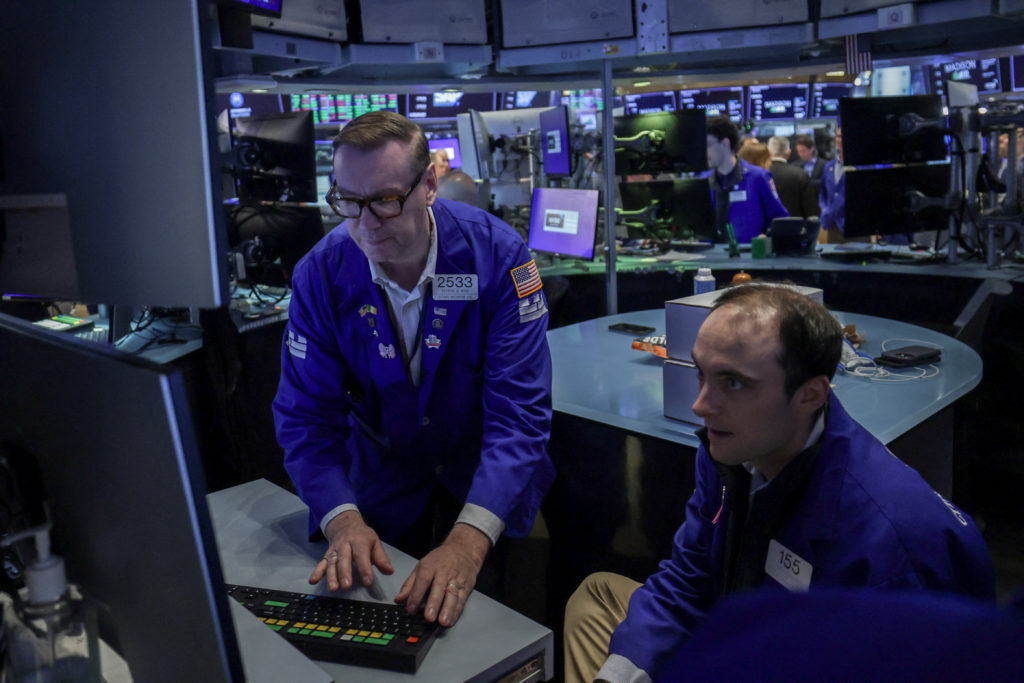
Global financial markets experienced a sharp sell-off Friday following President Trump's summit with Chinese President Xi Jinping, with the Dow Jones Industrial Average plummeting more than 500 points as investors expressed deep disappointment over the lack of substantive agreements between the world's two largest economies. The market decline reflected growing concerns that the highly anticipated summit failed to produce the breakthrough trade deals and diplomatic progress that many investors had hoped would help stabilize the increasingly tense U.S.-China relationship. Government bonds around the world also sold off sharply while oil prices jumped, driven by a combination of factors including developments in the Iran war, political uncertainty, and trade concerns.
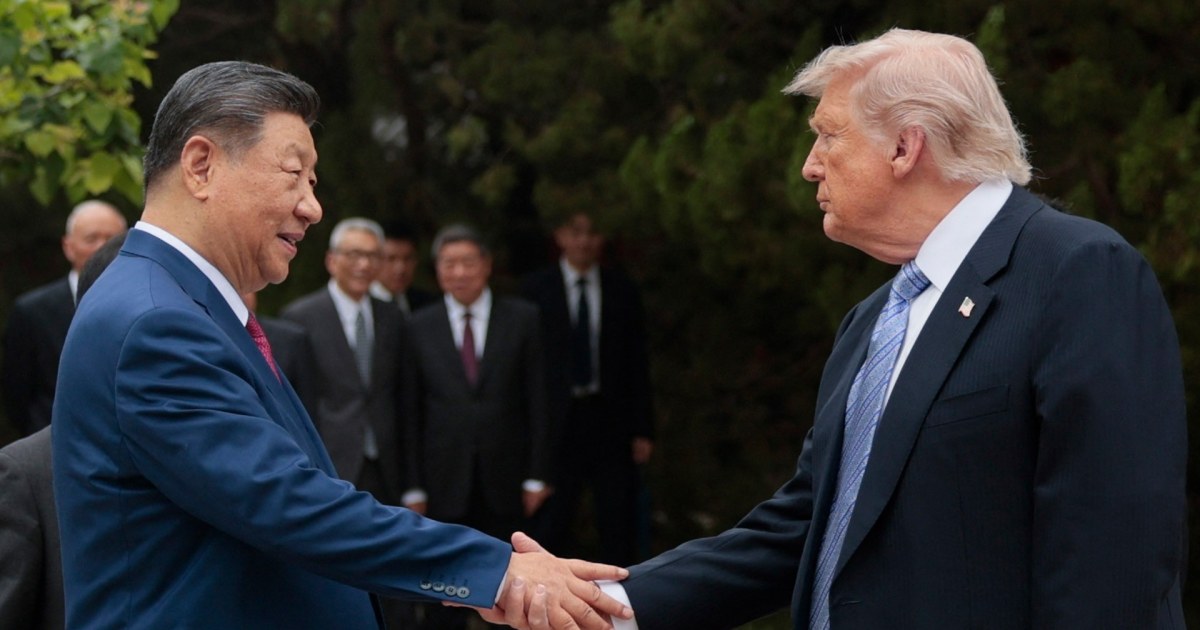
The summit, which brought together Trump and Xi along with top economic officials and prominent American CEOs, had been viewed by many market participants as a critical opportunity to reset relations between Washington and Beijing. However, the absence of any major trade agreements, investment deals, or diplomatic breakthroughs left investors questioning whether the two superpowers can find common ground on key economic and strategic issues. The market's negative reaction underscores how heavily global financial systems depend on stable U.S.-China relations and predictable trade policies.
The presence of several high-profile American CEOs during Trump's Beijing trip had initially raised investor expectations that significant business deals might emerge from the summit. These corporate leaders, representing some of America's largest and most influential companies, were seen as potential facilitators for major commercial agreements that could benefit both economies. However, the lack of announced deals or concrete commitments has left many wondering about the actual substance of the discussions and whether private sector leaders were able to make meaningful progress on commercial issues.
Oil prices surged during Friday's trading session, adding another layer of complexity to the market turmoil as investors grappled with multiple geopolitical and economic uncertainties simultaneously. The combination of ongoing tensions in the Iran conflict, uncertainty about U.S.-China trade relations, and concerns about global economic stability created a perfect storm that sent commodity prices higher while equity markets declined. Energy sector stocks experienced particular volatility as investors tried to assess the implications of both geopolitical developments and shifting trade dynamics.
The broad-based nature of Friday's market decline, spanning both domestic and international markets, highlights the interconnected nature of global financial systems and the significant impact that U.S.-China relations have on worldwide economic stability. Bond markets in multiple countries experienced selling pressure, suggesting that investors are becoming increasingly concerned about global growth prospects and geopolitical risks. The market reaction to the summit's limited results may pressure both American and Chinese officials to pursue more concrete diplomatic and economic initiatives in future negotiations to restore investor confidence and market stability.