Dow Soars 1,325 Points in One Day as US-Iran Ceasefire Eases Oil-Supply Fears
Wall Street staged its biggest single-day rally in months after Trump announced a two-week ceasefire with Iran, turning the Dow positive for the year as TSMC earnings and Meta's $35 billion AI deal reinforced investor confidence.
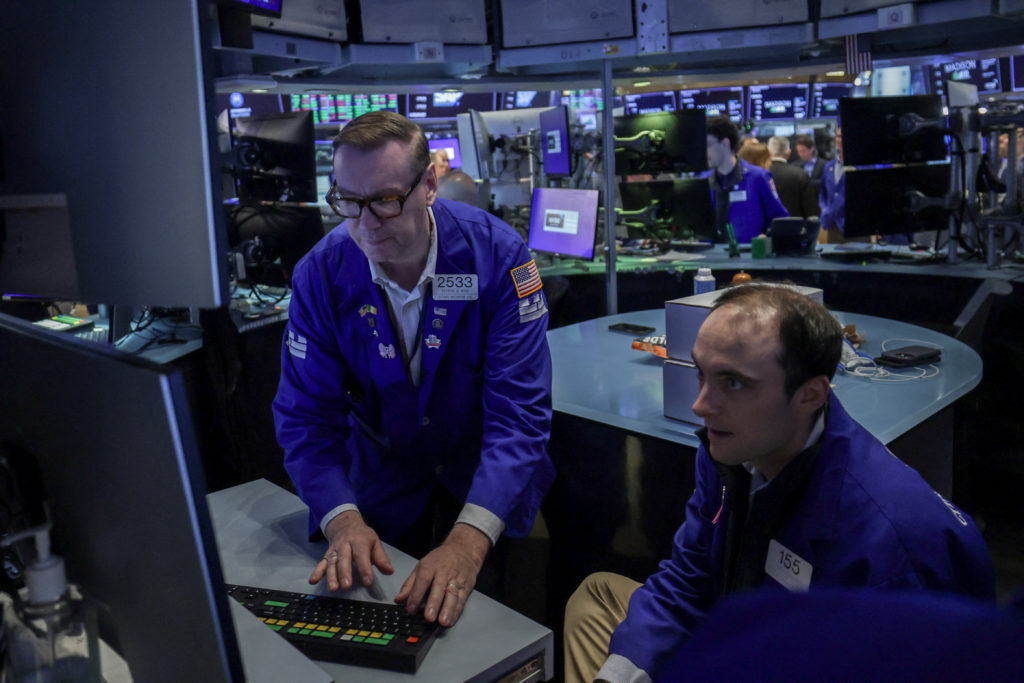
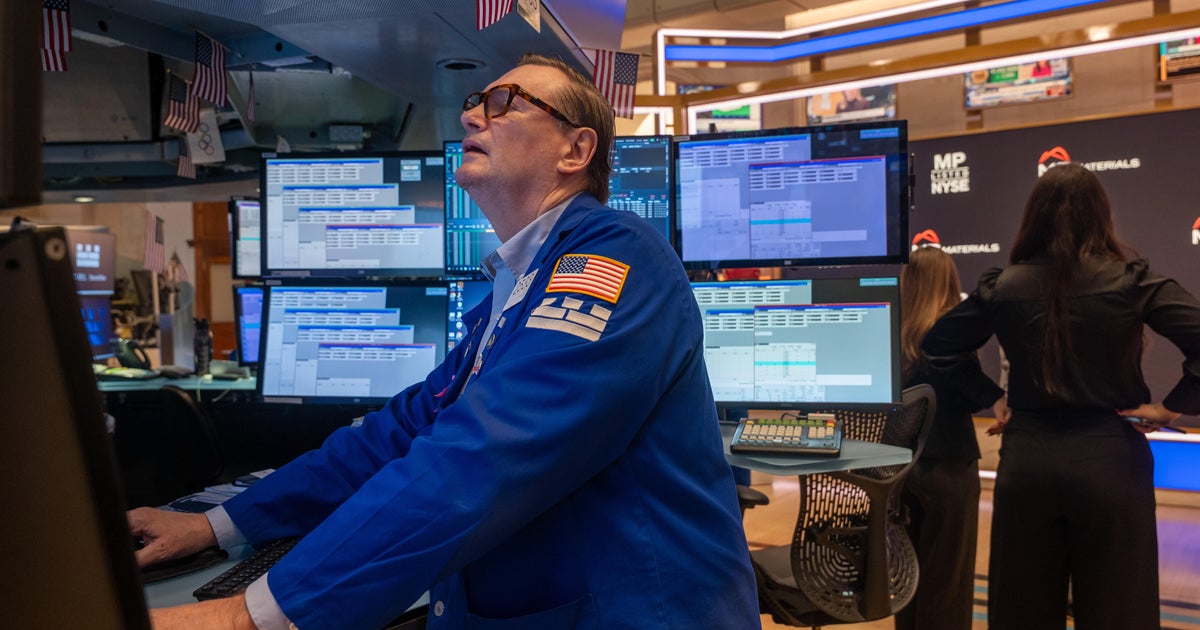
Wall Street staged its largest single-day rally in months on April 8, 2026, with the Dow Jones Industrial Average surging 1,325.46 points — a gain of 2.8% — to close at 47,909.92, turning positive for the year. The S&P 500 rose 2.5% and the Nasdaq Composite climbed 2.8% as investors exhaled after the United States and Iran announced a two-week ceasefire, removing the immediate threat of a catastrophic oil-supply disruption through the Strait of Hormuz.
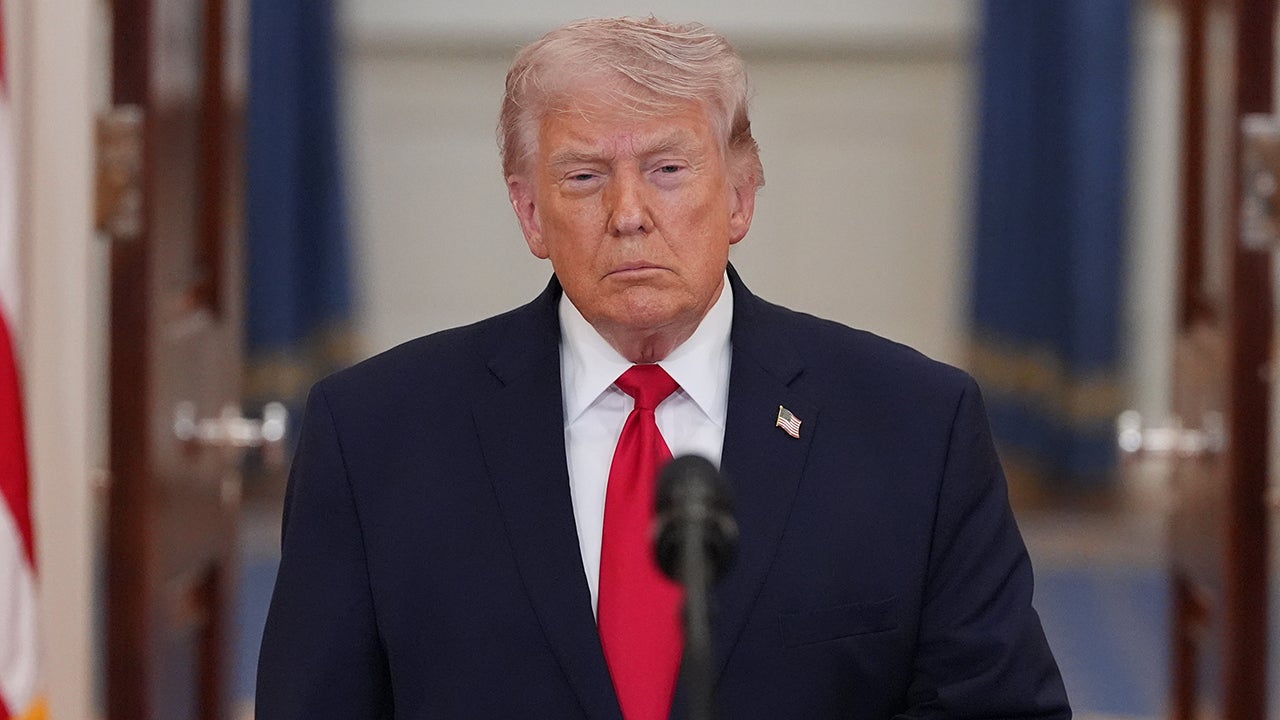
The Strait of Hormuz is the critical chokepoint through which roughly 20% of the world's daily oil shipments pass, and for five weeks its closure had sent energy prices soaring and battered equity markets. President Trump had earlier that day threatened "catastrophic attacks on Iranian infrastructure" if Iran did not reopen the strait within hours. When the ceasefire was announced at mid-morning, traders moved quickly back into equities, technology stocks, and airline shares — sectors that had been hammered by the conflict's impact on fuel costs and global supply chains.
The rally was amplified by a blockbuster earnings report from TSMC, the Taiwanese chip manufacturer, which reported stronger-than-expected quarterly revenue growth driven by surging demand for AI-related semiconductors. TSMC's results reinforced investor confidence that the artificial intelligence infrastructure build-out remains on track despite geopolitical turbulence, and the stock gained more than 5% on the day. "The AI capex cycle is intact," wrote analysts at Goldman Sachs in a note distributed shortly after the open. "TSMC's guidance suggests hyperscalers are not slowing."
Separately, Meta Platforms announced it would spend an additional $21 billion with CoreWeave, the cloud computing firm focused on GPU-intensive workloads, on top of a previously announced $14.2 billion deal — bringing Meta's total CoreWeave commitment to more than $35 billion. The announcement underscored that corporate America's appetite for AI infrastructure spending has not wavered during the conflict. Meta shares rose 3.1% on the day, adding roughly $42 billion in market capitalization.
Oil prices gave back some of their earlier declines after reports emerged that Israel had launched more than 100 airstrikes on Lebanon within hours of the ceasefire announcement, raising questions about regional stability. Brent crude fell 2.3% to close at $82.14 per barrel. West Texas Intermediate settled at $78.47. The 10-year Treasury yield fell six basis points to 4.61% as investors rotated out of safe-haven bonds and back into risk assets. The CBOE Volatility Index — Wall Street's fear gauge — fell 18% to its lowest level since late February. Traders said the VIX move suggested markets had been priced for a worst-case scenario that, at least temporarily, had not materialized.