Dow Surges 1,076 Points, Oil Drops 6% as Trump Claims Iran Deal Is Almost Done
Markets staged their biggest single-day rally in weeks after President Trump postponed strikes on Iranian power plants, citing "very good and productive" talks with Tehran — though Iran flatly denies any direct negotiations occurred.
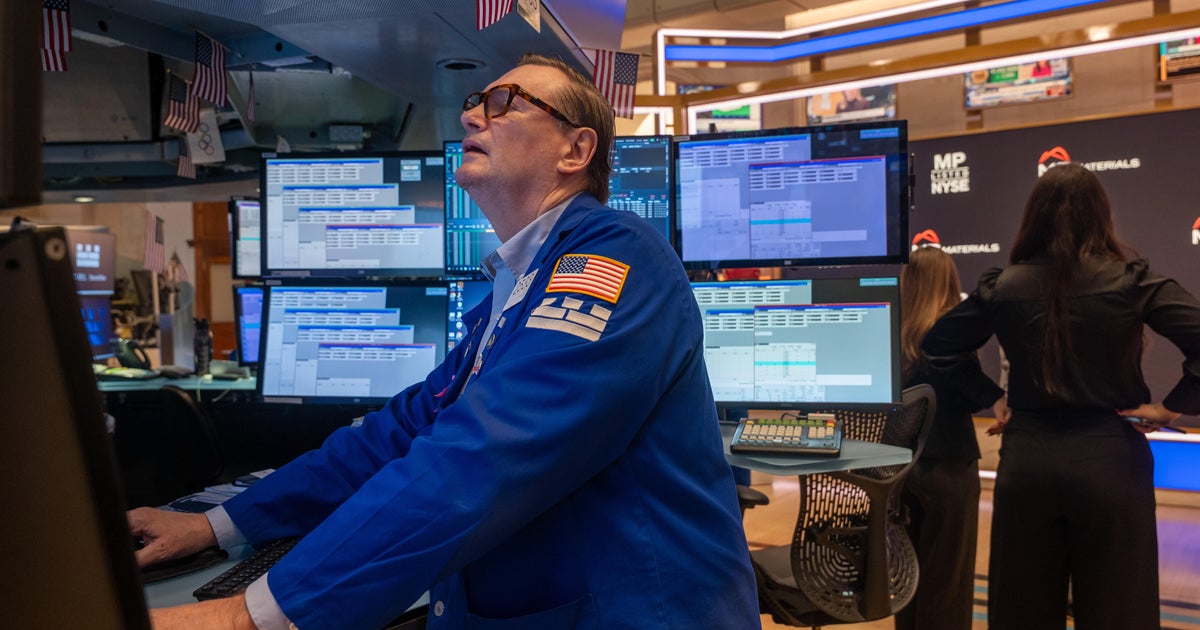
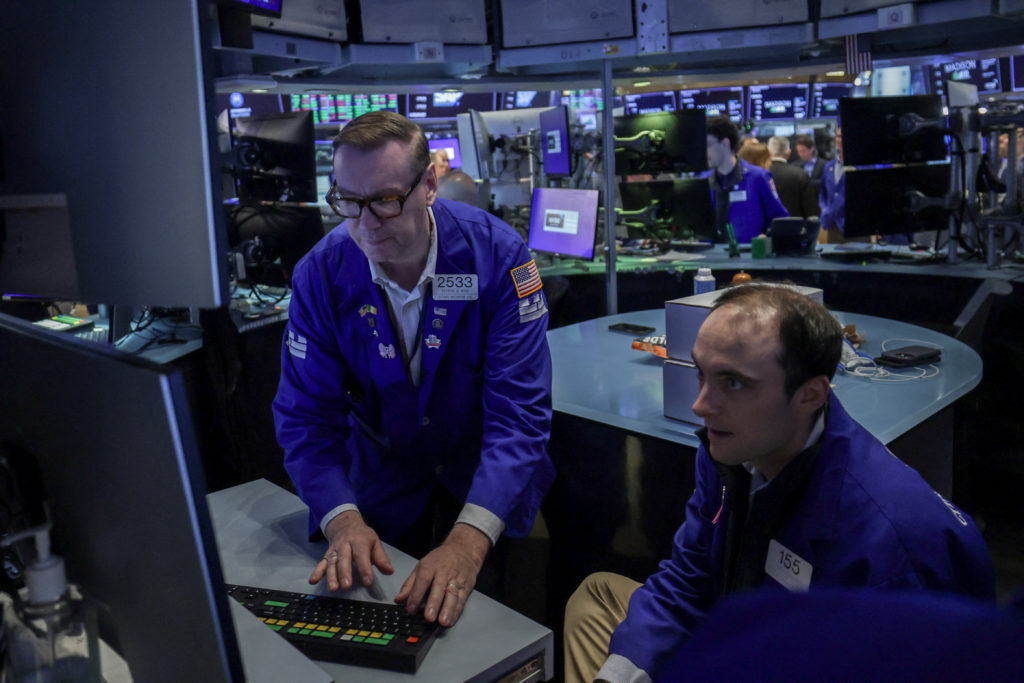
Wall Street erupted in relief on Monday after President Donald Trump announced he was postponing threatened military strikes on Iranian power plants for five days, claiming the United States and Tehran had reached "major points of agreement" — possibly enough to end the three-week-old war. The Dow Jones Industrial Average surged 1,076 points, or 2.4%, to 46,654, while the S&P 500 gained 2.1% and the Nasdaq Composite jumped 2.4% in the biggest single-day rally since the conflict began in late February.
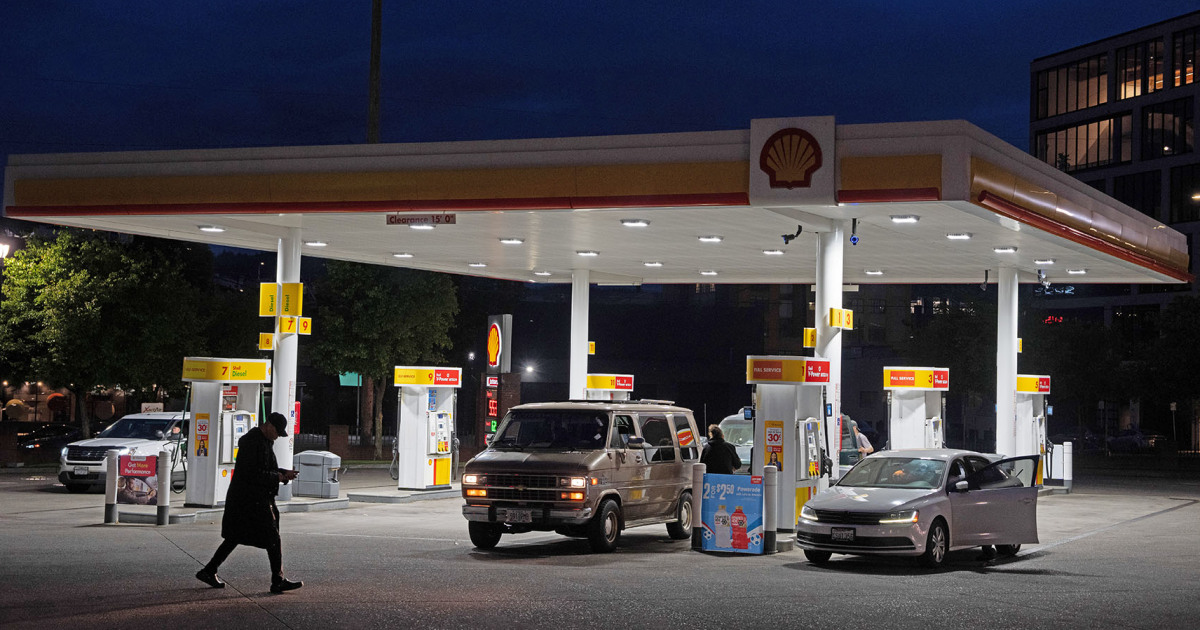
Oil prices, which had climbed as high as $120 per barrel as Iran's blockade of the Strait of Hormuz choked global shipping lanes, plunged sharply on the news. Brent crude, the international benchmark, tumbled as low as $96 per barrel before recovering slightly to trade at $101.26, down 6.2% on the day. West Texas Intermediate, the U.S. benchmark, also fell sharply. Despite Monday's pullback, crude remains roughly 45% above pre-war levels from late February, and gasoline prices at U.S. pumps have averaged $3.96 per gallon — more than $1 higher than a month ago.
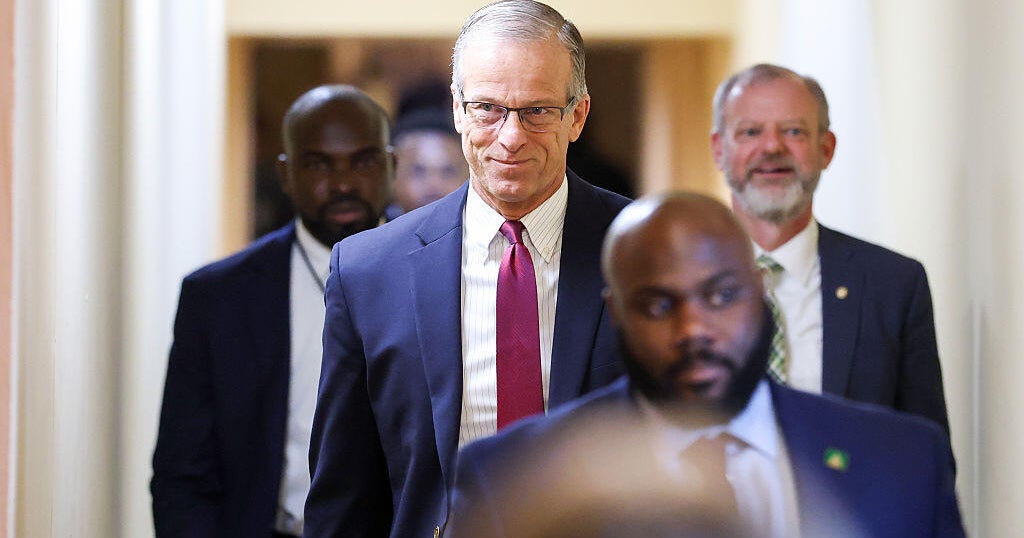
Trump announced the pause via Truth Social, writing that the Pentagon had been instructed "to postpone any and all military strikes against Iranian power plants and energy infrastructure for a five day period, subject to the success of the ongoing meetings and discussions." He told reporters later Monday that Iran had "called" to seek negotiations. "They want to make a deal, and we are very willing to make it," the president said, adding that the two sides had found agreement on "almost all points" and that Iran had committed to never developing a nuclear weapon. Special Envoy Steve Witkoff and Jared Kushner have been leading the American negotiating team, with Iranian parliament speaker Mohammad Bagher Qalibaf cited by media reports as a key intermediary in back-channel communications.
Iran's foreign ministry, however, flatly denied that any direct talks with Washington had taken place. Spokesman Esmail Baqaei said messages were being relayed through third parties, and Iranian state media declared that Trump had "retreated out of fear of Iran's response" rather than from genuine diplomatic progress. The contradiction between Washington and Tehran's accounts left financial markets and global observers deeply uncertain about whether the pause reflects a genuine diplomatic breakthrough or simply a tactical delay. Red Cross officials warned Monday that the Middle East conflict may be approaching a "point of no return," with Lebanon and other regional nations increasingly drawn into the widening confrontation.
The market reaction was immediate and dramatic. Every sector of the S&P 500 advanced, led by consumer discretionary stocks gaining 3.04%, industrials rising 2.69%, and technology climbing 2.46%. Airline and hospitality stocks, battered for weeks by surging jet fuel costs, surged on hopes that oil prices could continue falling. Economists at major banks, however, cautioned that a single announcement does not resolve the underlying crisis. The Strait of Hormuz — through which approximately 20% of global oil supply flows — remains effectively shut to commercial shipping, and several weeks of accumulated economic damage, including a half-point rise in U.S. mortgage rates and a 32% spike in gasoline prices, have already registered in the data. Whether Monday's rally marks the beginning of a genuine resolution or a brief reprieve in an escalating conflict remains the defining question facing markets, diplomats, and millions of Americans in the days ahead.