Dow Enters Correction Territory as Iran War Economic Toll Rattles Wall Street for Fifth Straight Week
The 30-stock index fell more than 10% from its recent high Friday, with oil above $108 and consumer confidence at a three-year low stoking fears of an inflation-driven recession.

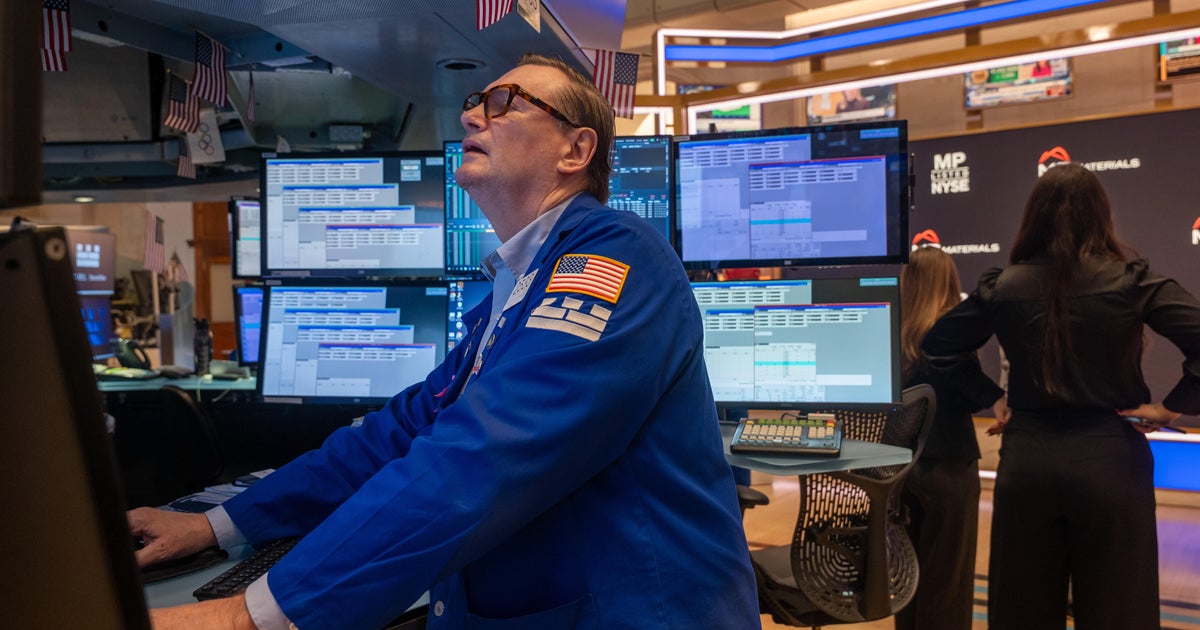
The Dow Jones Industrial Average fell into official correction territory Friday, declining more than 10% from its recent high as investors confronted the prospect of a prolonged war in Iran keeping global oil prices elevated and stoking the kind of simultaneous inflation and economic slowdown that has defined the worst downturns of the past half century. The index fell roughly 510 points, or 1.1%, during Friday's session, with the broader S&P 500 losing 1% and the Nasdaq Composite dropping 1.3%.
The losses marked the broad market's fifth consecutive weekly decline, a streak not seen since the early months of the COVID-19 pandemic in 2020. The Nasdaq had already entered correction territory earlier in the week, falling more than 10% below its all-time high set in January. The S&P 500 is now 7.2% below its record close from earlier this year. In all three major indices, the common thread is the Iran war: with the Strait of Hormuz effectively shut down to normal commerce, energy costs have rippled through every sector of the economy, from transportation and manufacturing to agriculture and consumer goods.
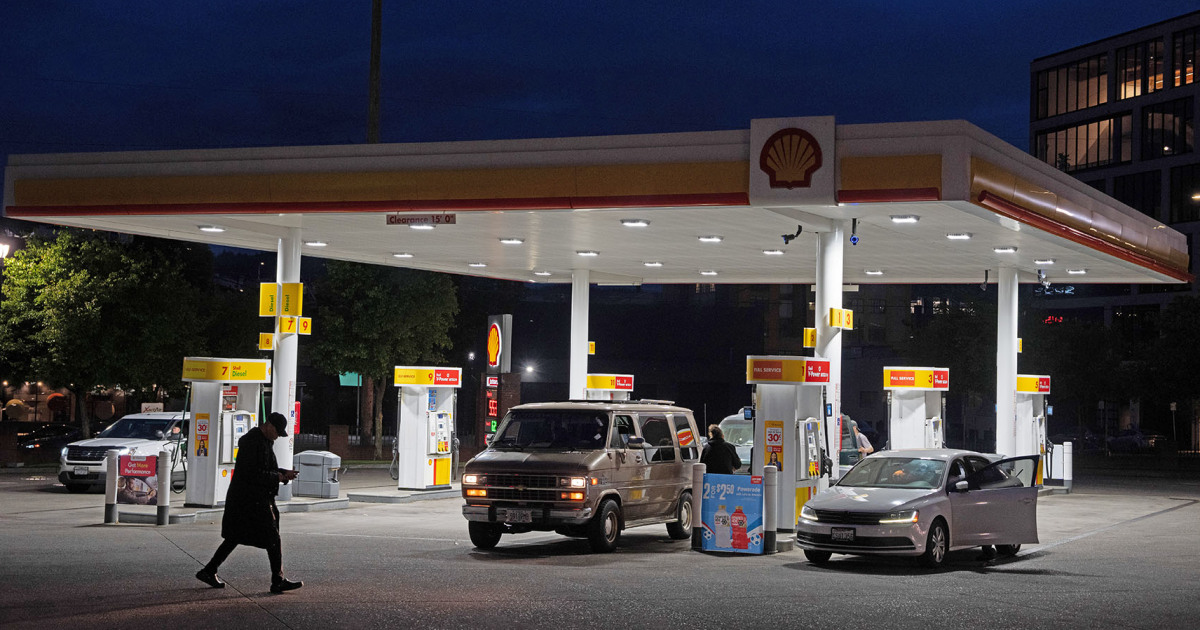
Brent crude settled Thursday at $108.01 per barrel, a gain of nearly 6% in a single session and a more than 40% increase since February 28, when the U.S.-Israeli operation against Iran began. West Texas Intermediate futures climbed 4.61% to settle at $94.48 per barrel. The price movement has been driven not just by the physical shortage of oil reaching markets, but by the toll-booth arrangement Iran has established in the strait, charging vessels in Chinese yuan for the right of passage. Lloyd's List Intelligence estimates that fewer than 30% of normal tanker traffic is moving through the waterway, creating supply bottlenecks that analysts say will take months to unwind even if a ceasefire is reached.
The economic damage extends well beyond energy prices. The University of Michigan's Survey of Consumers for March ended at a headline reading of 53.3, down 5.8% from February and 6.5% from a year ago. Inflation expectations among respondents crept higher, reflecting anxiety about fuel costs feeding through to grocery prices, fertilizer costs and airfare. Aid organizations in sub-Saharan Africa have raised alarms about food security in nations heavily dependent on Gulf shipping routes for grain and fertilizer imports. In the United States, the 30-year mortgage rate has climbed above 7.5% as bond markets price in the possibility of the Federal Reserve holding rates higher for longer to combat oil-driven inflation.
Trump's announcement Thursday that he was extending Iran's deadline to reopen the strait until April 6 failed to provide markets the relief that similar announcements had briefly generated earlier in the month. Analysts said the pattern of repeated extensions without resolution had eroded trader confidence that a deal was imminent. "The market has stopped trading the hope of a deal and started pricing in the reality of a long war," said one portfolio manager at a large New York-based asset management firm, speaking on condition of anonymity because they were not authorized to speak publicly. With earnings season approaching and major corporations having already revised guidance downward to account for energy costs, Wall Street's concern is that the second quarter could deliver the first year-over-year earnings contraction since the pandemic year of 2020.