Israel Deploys Iron Dome to UAE for First Time as Iran War Spreads to Gulf
The missile defense system was sent to an Arab country for the first time as the Emirates bore the brunt of Iranian retaliatory attacks during the conflict.

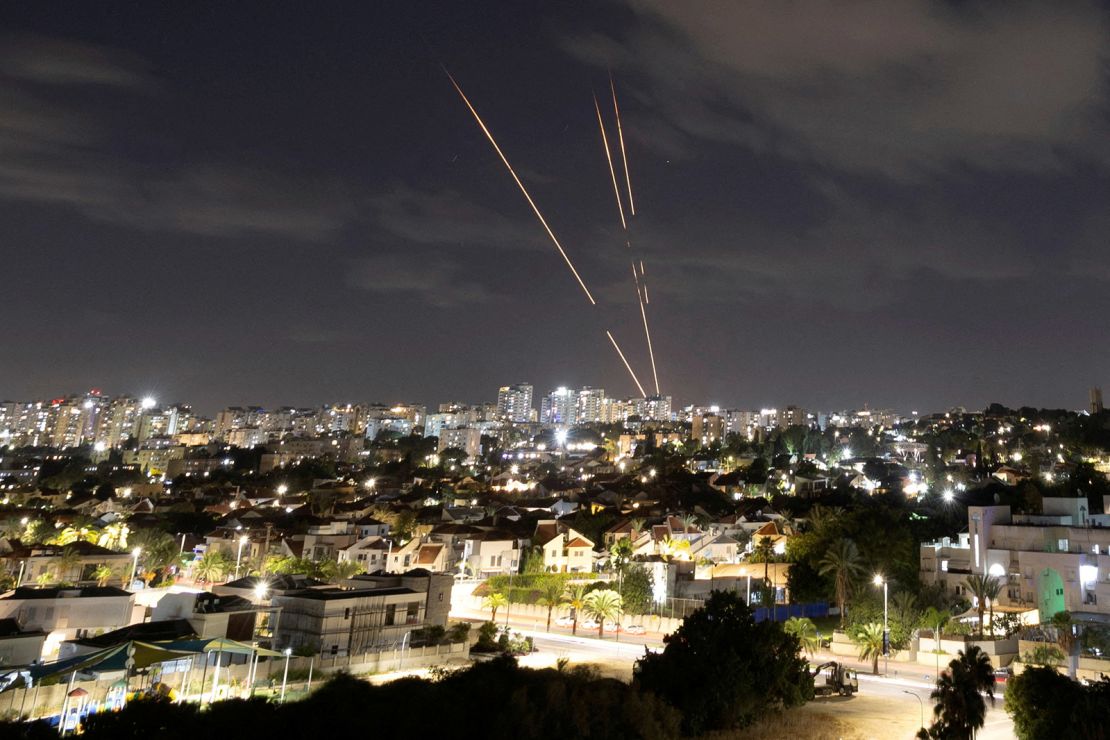
Israel has reportedly deployed its Iron Dome missile defense system to the United Arab Emirates for the first time, marking a historic milestone in Middle Eastern defense cooperation as the Iran war expands beyond its initial boundaries. The deployment comes as the UAE has borne the brunt of Iranian retaliatory attacks on Gulf countries during the ongoing 60-day conflict between the United States and Iran.
The decision to share Israel's most advanced missile defense technology with an Arab nation represents a dramatic shift in regional security arrangements and demonstrates the extent to which the Iran conflict has reshaped traditional alliances in the Middle East. The Iron Dome system, which has proven highly effective at intercepting short-range rockets and missiles, was apparently deployed in response to escalating Iranian attacks on UAE infrastructure and population centers.
The UAE's strategic position in the Persian Gulf has made it a prime target for Iranian retaliation as Tehran seeks to pressure countries that have supported or facilitated the U.S. military operation. Iranian forces have reportedly launched multiple missile and drone attacks against Emirati targets, including oil facilities, ports, and military installations, prompting urgent requests for enhanced defensive capabilities.
The Iron Dome deployment underscores how the Abraham Accords, which normalized relations between Israel and several Arab states including the UAE, have evolved from diplomatic agreements into concrete security partnerships. Israeli defense officials have been working closely with their Emirati counterparts to integrate the system into the UAE's existing air defense network and train local operators.
The precedent-setting move could have far-reaching implications for regional security architecture, potentially opening the door for similar defensive cooperation between Israel and other Arab states facing Iranian threats. However, it also risks further escalating tensions with Iran, which has condemned the deployment as a provocative act that legitimizes what it considers an illegitimate presence of Israeli military assets in the Gulf region. The deployment highlights how the Iran conflict has fundamentally altered the strategic landscape of the Middle East, creating new security partnerships that would have been unthinkable just a few years ago.