Israel's Missile Defense System Fails as Two Iranian Rockets Strike Near Nuclear Facility
The attacks on towns near a heavily guarded nuclear site in the Negev Desert have raised serious questions about the effectiveness of Israeli air defenses.
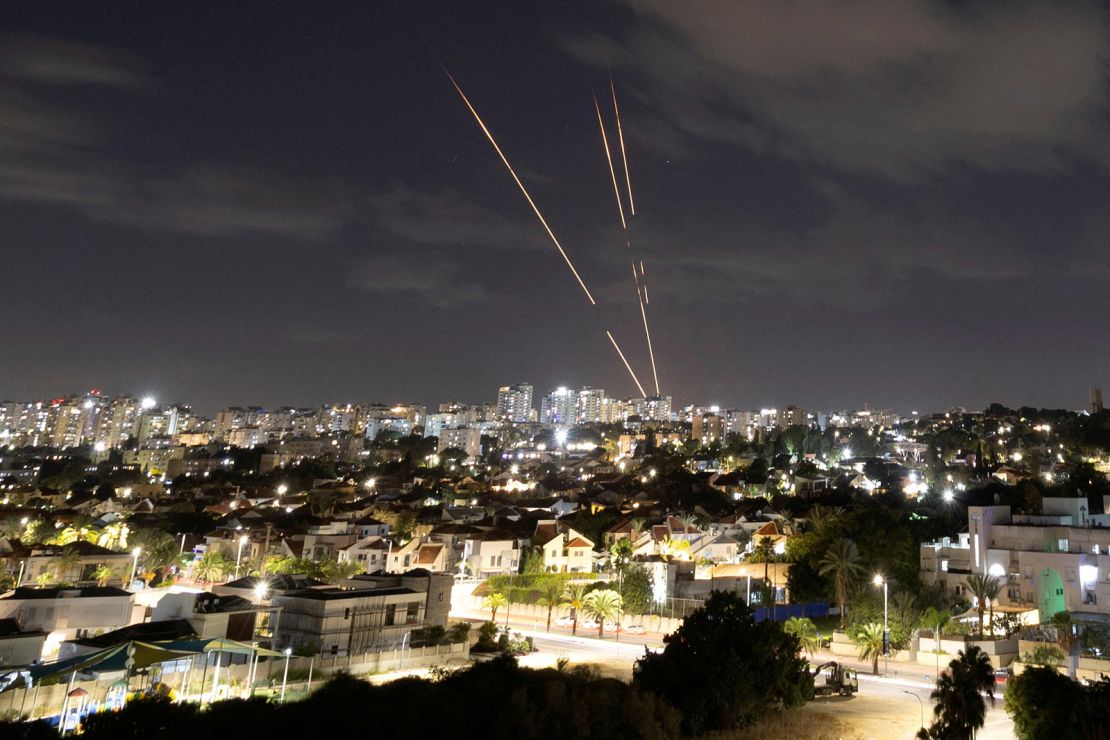
Two Iranian ballistic missiles penetrated Israel's multi-layered air defense system and struck towns near the Dimona nuclear facility in the Negev Desert on Saturday, an event that has shaken confidence in the defensive shield that Israel has long regarded as a cornerstone of its national security. The strikes, which caused damage to residential areas but no reported fatalities, landed within miles of one of the most heavily defended installations in the country.
The Dimona facility, which is widely understood to house Israel's undeclared nuclear arsenal, is protected by some of the most advanced air defense systems in the world, including the Arrow system designed specifically to intercept ballistic missiles at high altitudes. The fact that two missiles reached the ground near the site has prompted an urgent review of the defense network's capabilities and raised questions about whether Iran has developed countermeasures capable of defeating Israeli interception technology.
Israeli military officials confirmed the strikes but sought to downplay their significance, saying the missiles landed in open areas and did not damage the nuclear facility itself. However, defense analysts said the proximity of the impacts to Dimona was deeply concerning regardless of whether the facility was directly hit. The strikes demonstrated that Iran possesses the capability to target Israel's most sensitive installations with at least some probability of success.
The Israeli Defense Forces said the air defense system intercepted the vast majority of incoming missiles during the attack, which involved a barrage of more than two dozen projectiles launched from multiple locations in Iran. The two missiles that got through represented a failure rate that, while statistically small, carried outsized strategic implications given the nature of the target.
Prime Minister Benjamin Netanyahu convened a meeting of the security cabinet following the incident and ordered a comprehensive assessment of Israel's air defense posture. Defense Minister Israel Katz said the military was taking immediate steps to reinforce defenses around critical national infrastructure, though he declined to provide specifics.
The incident has significant implications for the broader strategic balance in the Middle East. Israel's missile defense capabilities have been a key factor in its willingness to engage in the escalating conflict with Iran, providing confidence that the homeland could be protected even as military operations expand. Any erosion of that confidence could alter the calculus for both Israeli and American military planners.
Iran's state media celebrated the strikes as evidence that its missile program had overcome Israeli defenses, a claim that, while exaggerated in scope, was not without basis given the hits near Dimona. Iranian military officials said the attack employed new guidance and evasion technologies designed to defeat interception systems, though independent verification of such claims was not possible.
The United States, which has provided significant support for Israel's missile defense programs and has deployed its own THAAD anti-missile system to the region, declined to comment specifically on the defensive failure. Pentagon officials said they were in close communication with their Israeli counterparts and were reviewing the incident.
Residents of towns near Dimona described the attacks as terrifying. Families who had grown accustomed to the protection afforded by the Iron Dome and Arrow systems said the strikes shattered their sense of security. Local officials called for the immediate reinforcement of civilian shelters and the expansion of early warning systems in the region.


