Global Supply Shortages Deepen as Strait of Hormuz Closure Enters Fourth Month
The economic fallout from the strategic waterway's blockade is spreading worldwide, with developing countries bearing the heaviest burden of shortages and rising prices.

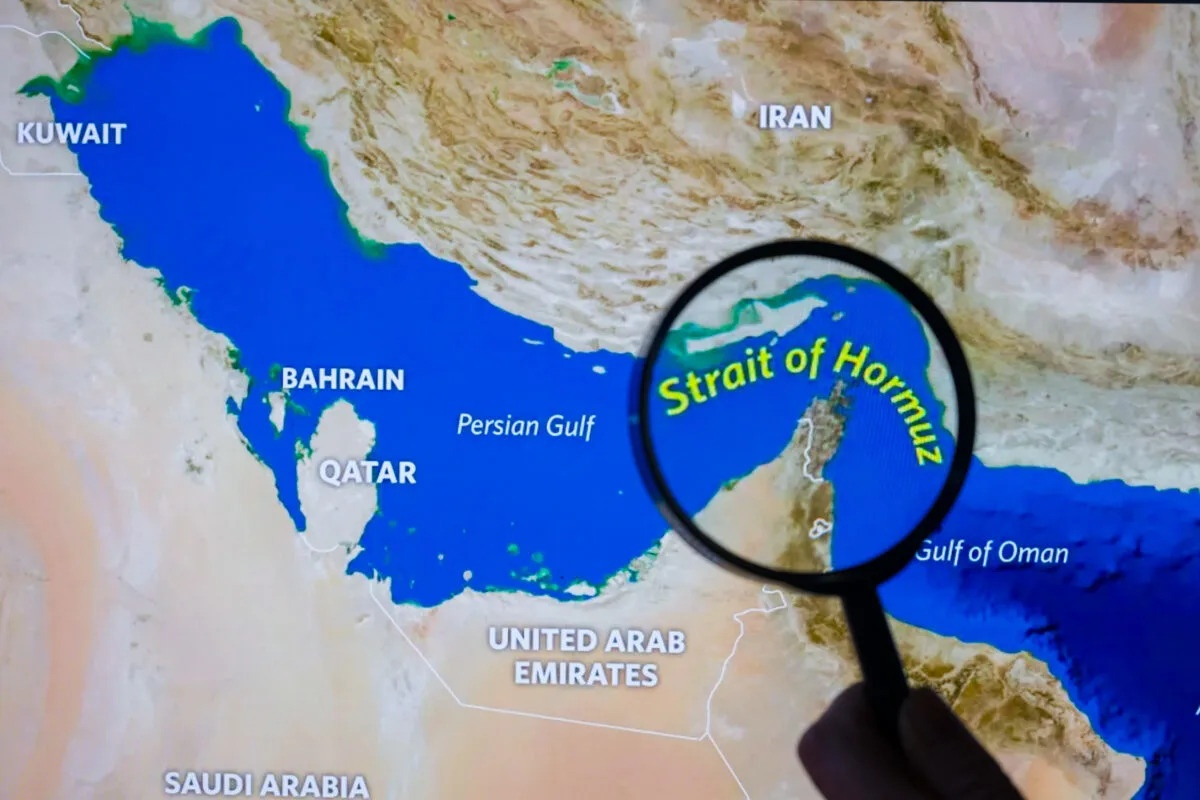
After three months, the fallout of the closure of the Strait of Hormuz is spreading, with developing countries bearing the brunt of the shortfall in critical supplies and energy resources. The strategic waterway, through which roughly one-fifth of the world's oil passes, remains blocked as the conflict between Iran and the United States continues to escalate.
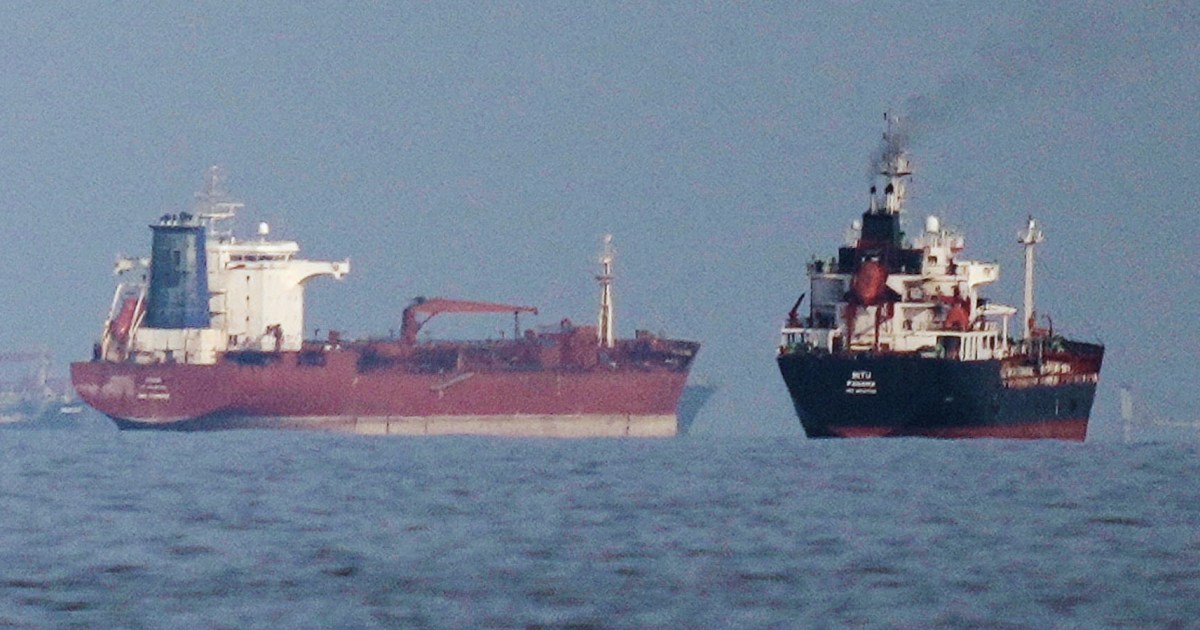
Global supply chains that were already strained from previous disruptions are now facing severe stress as alternative shipping routes prove inadequate to handle the diverted cargo. Major shipping companies have been forced to reroute vessels around Africa's Cape of Good Hope, adding weeks to delivery times and substantially increasing transportation costs that are being passed on to consumers worldwide.
The economic impact is being felt most acutely in developing nations that lack the financial resources to secure alternative supply sources or absorb higher costs. Countries across Africa, Asia, and Latin America are reporting shortages of essential goods, from medical supplies to food products, as importers struggle with the dramatically increased shipping expenses and extended delivery schedules.
Energy markets remain in turmoil, with oil prices continuing to fluctuate wildly as traders attempt to gauge the long-term implications of the closure. The International Energy Agency has warned that global oil reserves are being depleted faster than anticipated, and several major economies have begun implementing emergency rationing measures to preserve supplies for critical infrastructure.
Economists warn that the prolonged closure threatens to trigger a global recession if diplomatic efforts fail to reopen the waterway soon. Manufacturing sectors worldwide are reporting production slowdowns due to parts shortages, while retailers are struggling to maintain inventory levels ahead of what is traditionally a busy summer shopping season. The situation has prompted calls for accelerated development of alternative energy sources and more resilient supply chain networks.