Iran War Drives Energy Attacks on Persian Gulf Infrastructure, Threatening Global Economic Stability
A new phase targeting oil and gas facilities could hurt businesses and customers worldwide for months or years, economists warn.

The Iran conflict has entered a new and economically perilous phase as attacks on oil and gas infrastructure across the Persian Gulf threaten to disrupt global energy supplies for months or even years, according to economists and energy analysts tracking the damage. The targeting of production facilities, pipelines, and export terminals represents an escalation that extends the war's consequences far beyond the immediate combatants, reaching into the daily lives of consumers and businesses worldwide.
In the past two weeks alone, strikes have damaged or destroyed at least four major energy facilities along the Persian Gulf coast, including two oil export terminals and a natural gas processing plant. The attacks, attributed to both Iranian forces and allied militia groups, have taken an estimated 2.5 million barrels per day of oil production offline, a loss that represents roughly 2.5 percent of global daily output and has sent crude prices surging past $115 per barrel.
Economists warn that the disruption could trigger a period of sustained high energy costs that would ripple through every sector of the global economy. Transportation costs, manufacturing expenses, and food prices are all directly linked to energy markets, and prolonged disruption to Persian Gulf supplies would compound inflationary pressures that central banks have spent years trying to contain.
The International Energy Agency issued an emergency assessment warning that if current trends continue, the world could face its most significant energy supply crisis since the 1973 oil embargo. The agency called on member nations to coordinate strategic petroleum reserve releases and accelerate investment in alternative energy sources, though officials acknowledged that such measures would take time to produce meaningful relief.
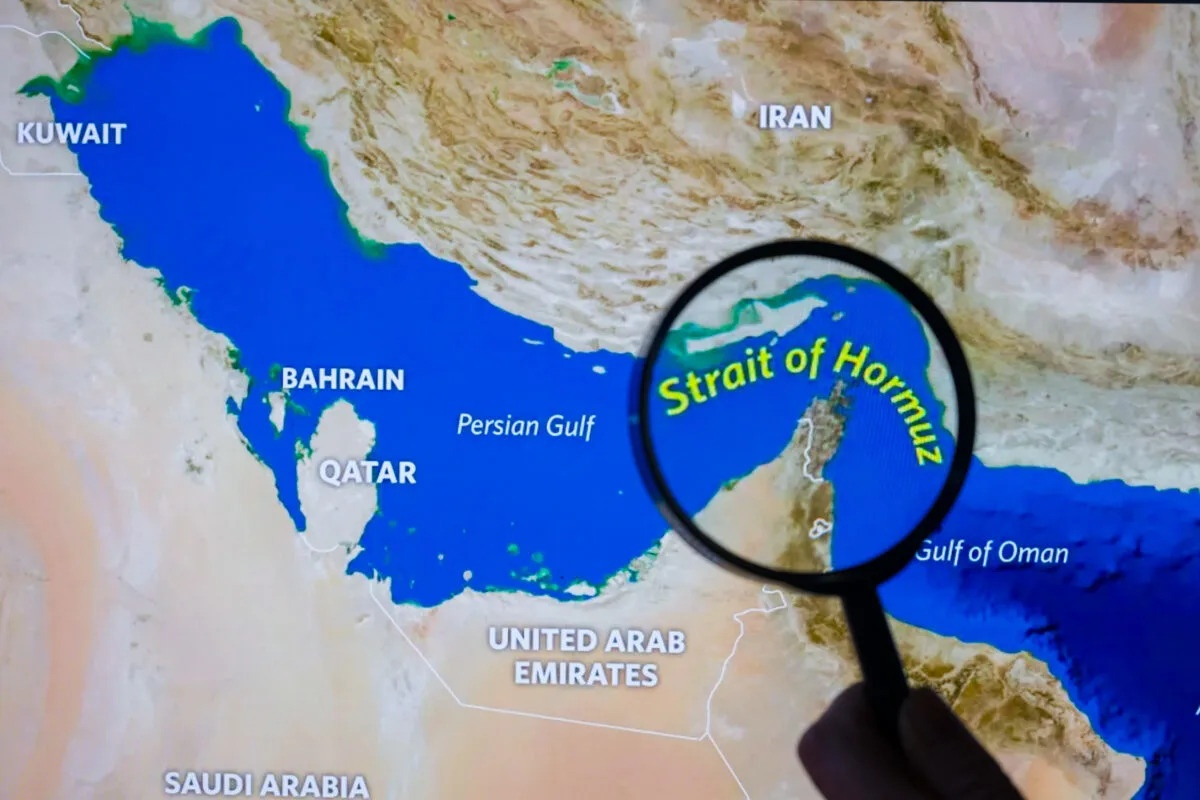
The attacks on energy infrastructure have also exposed the vulnerability of the global economy's dependence on a single geographic chokepoint. Roughly 20 percent of the world's oil and 25 percent of its liquefied natural gas pass through the Strait of Hormuz, a narrow waterway that Iran has threatened to close entirely if the conflict escalates further. Insurance rates for tankers transiting the strait have increased tenfold since the conflict began, and several major shipping companies have suspended operations in the region altogether.
Gulf states that were not direct parties to the conflict have found themselves suffering severe economic consequences. Saudi Arabia, the United Arab Emirates, and Kuwait have all reported disruptions to their energy exports as a result of the broader insecurity in the region. Diplomatic sources said Gulf leaders have been pressing both Washington and Tehran to de-escalate, warning that the economic damage is undermining decades of investment and development.
The impact is being felt acutely in developing nations that depend on affordable energy imports. Countries across South Asia, Southeast Asia, and sub-Saharan Africa are facing fuel shortages and price spikes that threaten to push millions of people deeper into poverty. The World Bank has warned that a sustained energy crisis could reverse years of progress in global poverty reduction.
Energy analysts said the infrastructure damage would take significant time to repair even after hostilities cease. Oil and gas facilities are complex engineering systems that require months or years to rebuild, meaning that the economic consequences of the current destruction will outlast the conflict itself. Several analysts estimated that full restoration of pre-war production capacity could take two to five years.
For consumers in the United States and Europe, the most immediate effect has been at the gas pump, where prices have climbed steadily since the conflict began. But economists cautioned that fuel costs represent only the most visible manifestation of a disruption that is quietly raising the cost of virtually everything that is manufactured, transported, or sold in the global economy.