Five People Have Died of Flesh-Eating Bacteria in Louisiana This Year
Every Case Started With an Open Wound in Seawater.
The state health department reported nine confirmed Vibrio vulnificus infections in 2026, all requiring hospitalization, against a ten-year average of seven cases and one death per year.
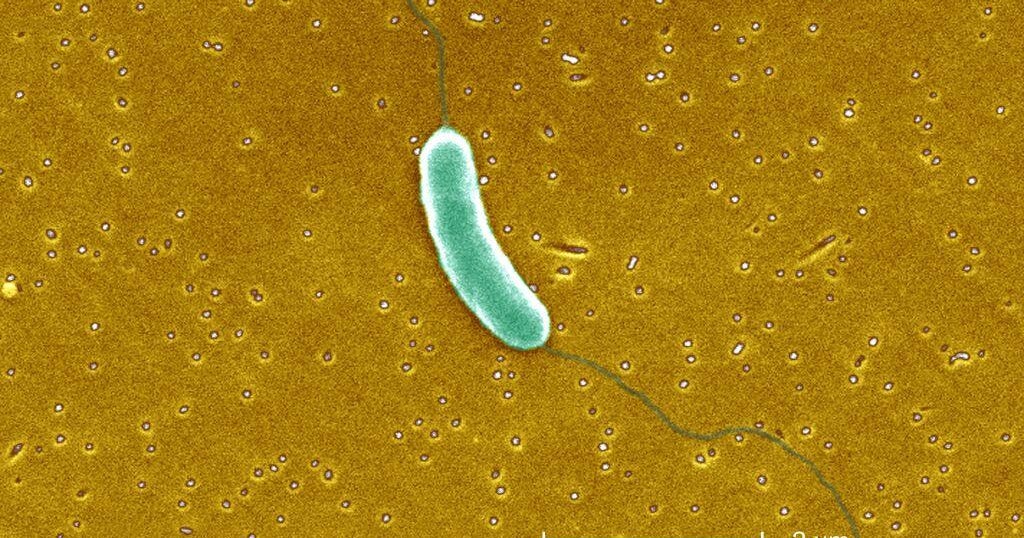
At least five people have died in Louisiana this year from Vibrio vulnificus, the flesh-eating bacterium that lives in warm coastal water, state health officials reported Thursday. The Louisiana Department of Health has confirmed nine cases in 2026. All nine patients were hospitalized. All nine had underlying health conditions. And all nine were infected the same way — through a wound exposed to seawater.
The numbers sit well above the state's baseline. Over the past decade Louisiana has averaged seven Vibrio vulnificus cases and one death per year. In 2025 it recorded at least 26 cases and five deaths. This year's count has reached five deaths from just nine confirmed infections, a fatality rate far worse than the roughly one-in-five figure the U.S. Centers for Disease Control and Prevention cites for the infection overall. Beyond death, the infection can also lead to amputation.
Florida has recorded two Vibrio vulnificus deaths so far in 2026. Its worst recent year was 2024, with 19 deaths, followed by five in 2025. The Florida Department of Health has linked its spikes to major storms — Hurricane Helene in 2024 among them — that pushed floodwater and standing water into communities and gave the bacteria new places to sit.
The geography is shifting. Experts attribute part of the risk to rising water temperatures, which extend the range of a bacterium that thrives in warm salt and brackish water. This spring, Vibrio vulnificus turned up in water samples taken along the coast of New York's Long Island — far north of where Gulf Coast health departments have historically tracked it.
About a dozen Vibrio species cause the illness known as vibriosis. Vibrio vulnificus is the most dangerous of them. Infections cluster between May and October, when ocean temperatures peak, and are contracted either through an open wound exposed to seawater or by eating raw or undercooked shellfish, particularly oysters. People with cancer, liver disease, HIV or thalassemia, and those on immune-suppressing treatment, are the most vulnerable to severe illness.
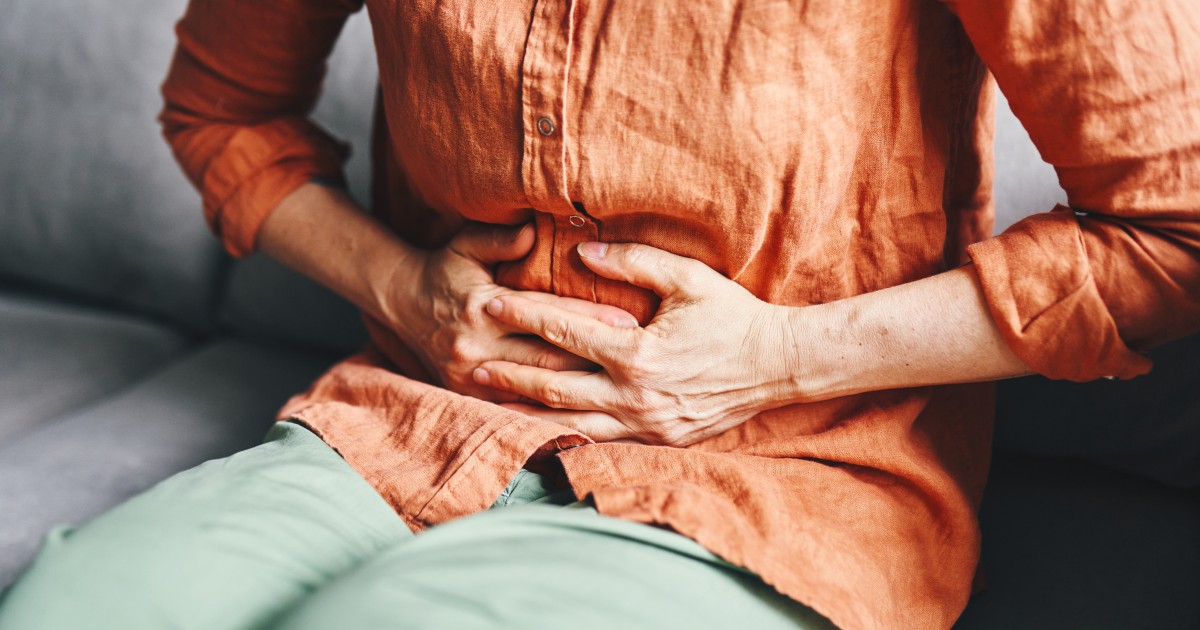
Wound infections announce themselves with fever, skin discoloration, drainage or discharge, and pain and swelling around the site. A bloodstream infection can bring fever, chills, dangerously low blood pressure and skin lesions. Gastrointestinal cases produce diarrhea, cramps, nausea and vomiting. The window for treatment is short, which is why the state's guidance leans toward avoidance rather than vigilance.
The Louisiana Health Department's advice is blunt: people with open wounds should stay out of salt water and brackish water, where saltwater and freshwater mix. Anyone who may have been exposed should wash the wound with soap. Seafood should be cooked thoroughly, and cooked seafood kept separate from raw. None of that is new advice — but with five deaths from nine cases, the state is repeating it in the middle of the season rather than after it.