Ed Case Beat a Progressive Challenger by 14 Points in Hawaii, Breaking a Year of Primary Upsets
The Honolulu congressman survived a challenge from state Sen. Jarrett Keohokalole, who ran against Case's votes on military aid to Israel and an earlier version of Trump's voting bill.
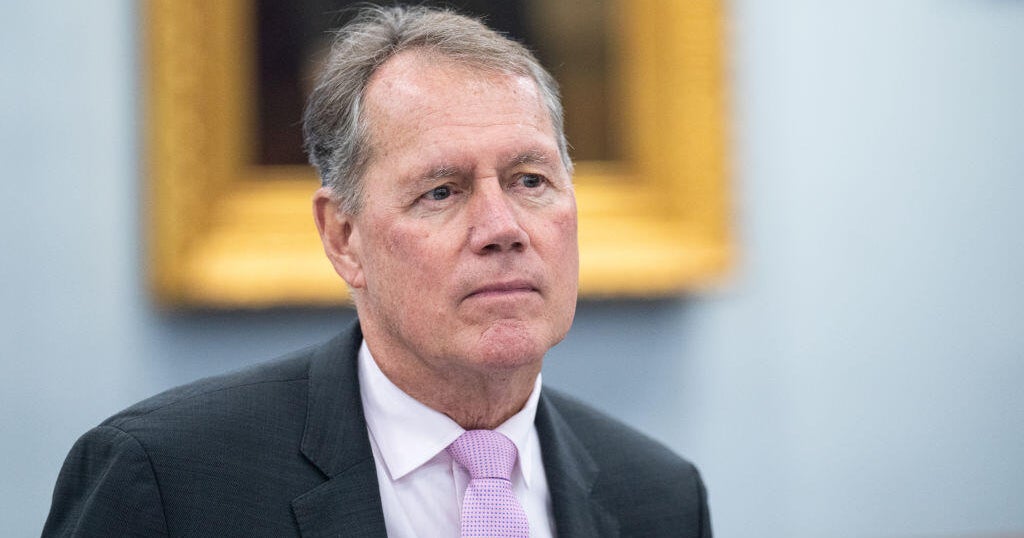
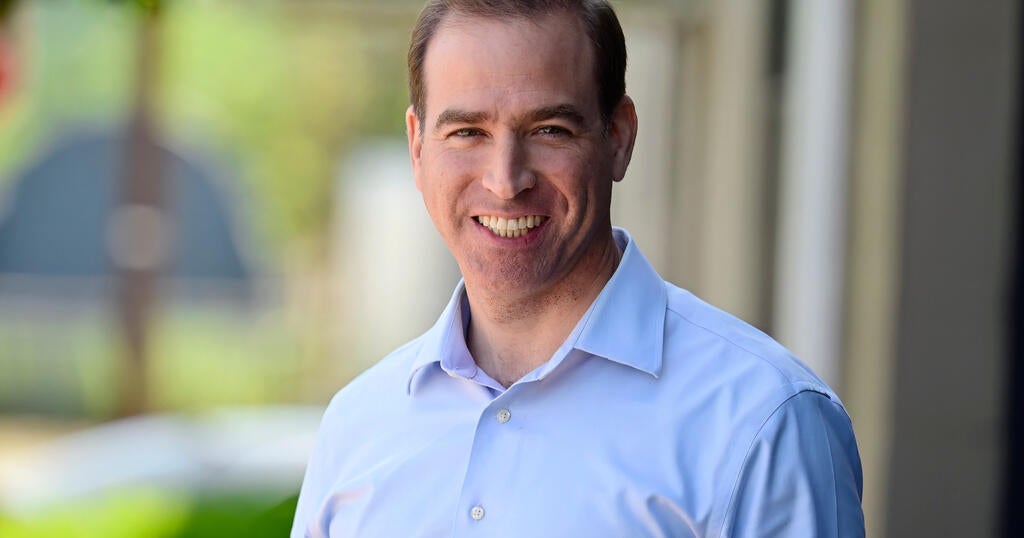
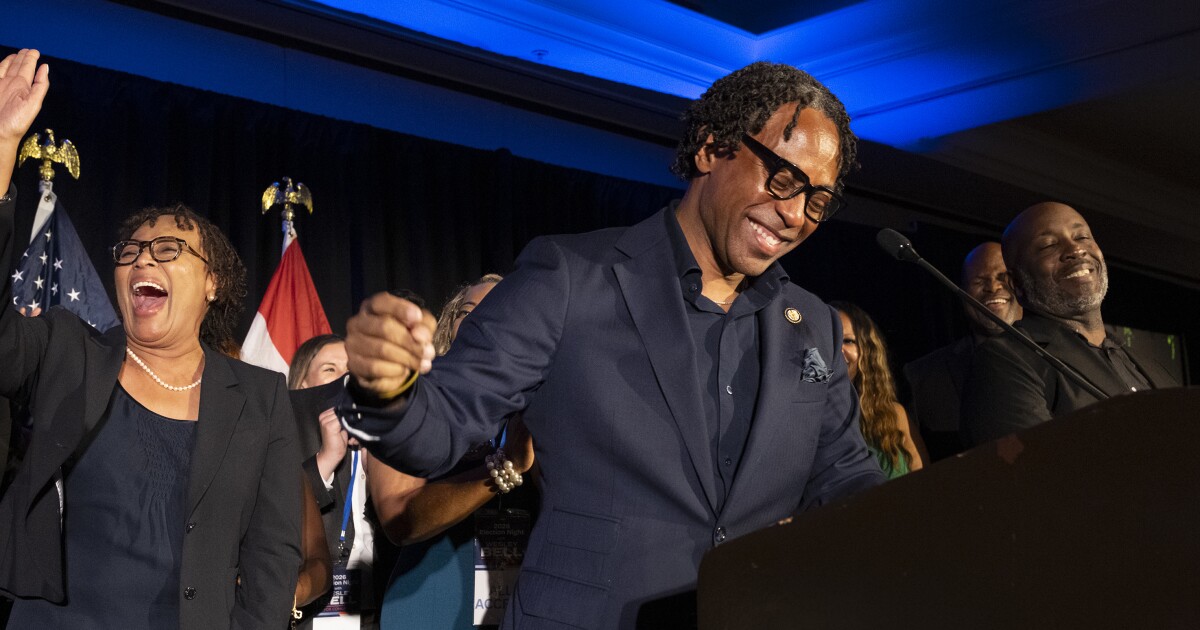
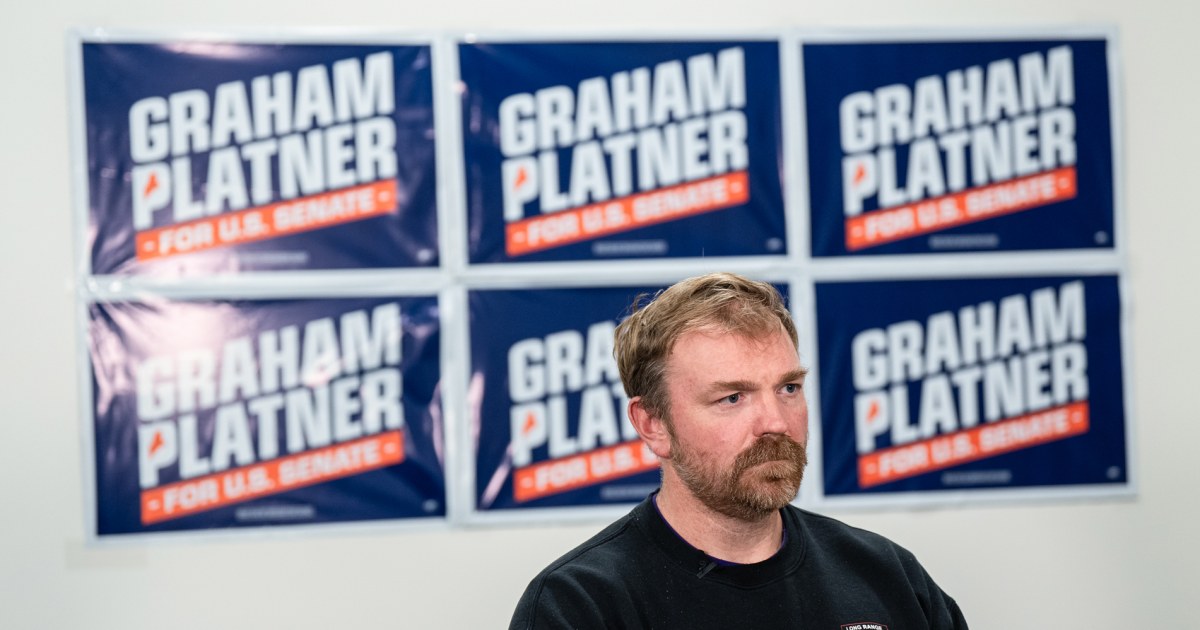
Rep. Ed Case won the Democratic primary in Hawaii's 1st Congressional District on Saturday, turning back a challenge from his left by state Sen. Jarrett Keohokalole and breaking a pattern that has cost several Democratic incumbents their seats this year.
With 91% of the vote counted, Case led by nearly 14 points. The margin was wider than his allies had privately predicted in a race that national progressive groups watched as a test of whether the wave of primary defeats that hit safe Democratic districts in New York and Colorado earlier this year would reach the Pacific.
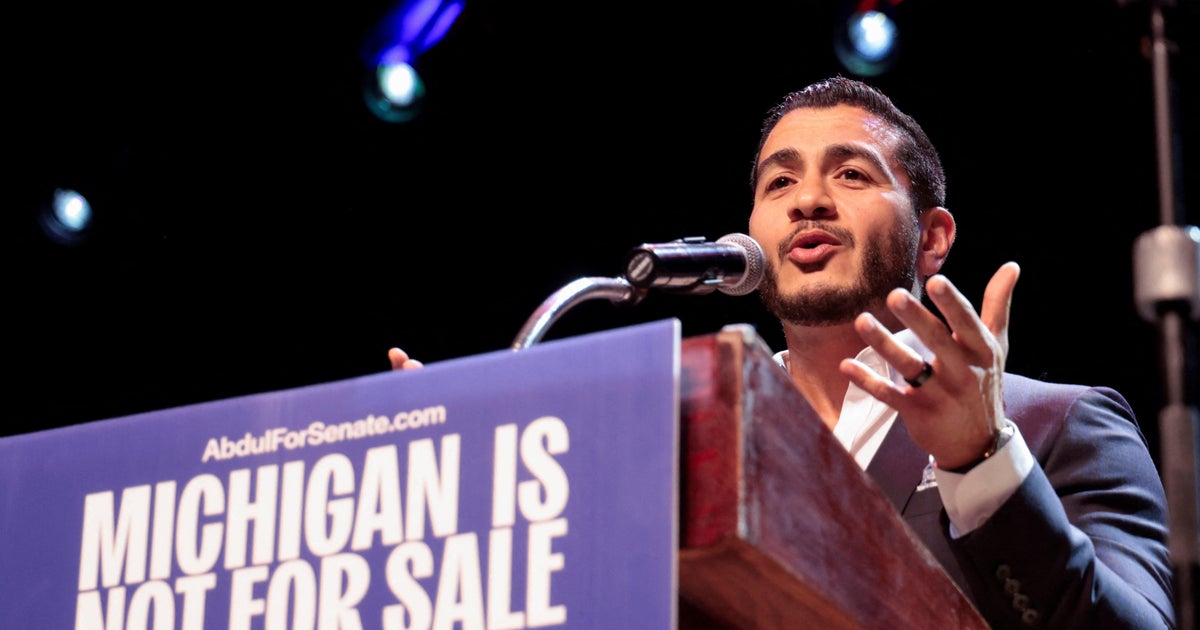
Keohokalole built his campaign on two votes. The first was Case's support for military aid to Israel, an issue that has split Democratic primary electorates for three cycles and that Keohokalole raised repeatedly in a district where Case's margins had been shrinking among younger voters. The second was Case's backing of an earlier version of President Trump's SAVE America Act, the proof-of-citizenship voting bill. Case has said he opposed the bill's latest iteration, a distinction Keohokalole argued voters would not remember on Election Day.
Case has represented the 1st District, covering urban Honolulu and parts of Oahu, since 2019. He previously held the 2nd District seat from 2002 to 2007 before giving it up for an unsuccessful Senate run, and he has spent most of his career as one of the more centrist members of Hawaii's all-Democratic delegation — a profile that made him an obvious target for a challenge and, it turned out, a durable one.
He will face Republican Adriel Lam in November. Hawaii has not sent a Republican to the U.S. House since 2011, and Case is heavily favored.
In the state's other marquee race, Gov. Josh Green won the Democratic gubernatorial nomination and will meet Republican Gary Cordery in the general election. Green, an emergency room physician who was elected in 2022, is seeking a second term.
The result gives national Democratic leaders a data point they have been short of this cycle. Incumbents in reliably blue seats have been losing primaries to younger challengers running on Gaza, housing costs and generational change, and party strategists have argued about whether those defeats reflected an ideological shift or simply weak, under-funded incumbents who did not take the threat seriously. Case ran a conventional incumbent's campaign — heavy on constituent service, endorsements from local labor and county officials, and early spending — and won by double digits.
Hawaii's primary is closed to a degree that also shaped the outcome: voters choose a single party's ballot, and turnout in the state's August primaries is historically low and skews older, a structural advantage for an incumbent with 20 years of name recognition. Keohokalole conceded Saturday night and did not rule out a future run.