Battle Over Strait of Hormuz Leaves Safe Passage a Dangerous Gamble
Vessels traveling through critical shipping lane are operating without transmitting safety information, creating hazardous conditions for global commerce.

Commercial and military vessels navigating the strategically vital Strait of Hormuz are increasingly traveling without transmitting critical safety information, creating a dangerous environment that maritime intelligence experts warn could lead to catastrophic accidents or miscalculations. The breakdown in standard maritime communication protocols represents a significant escalation in the risks facing one of the world's most important shipping corridors.
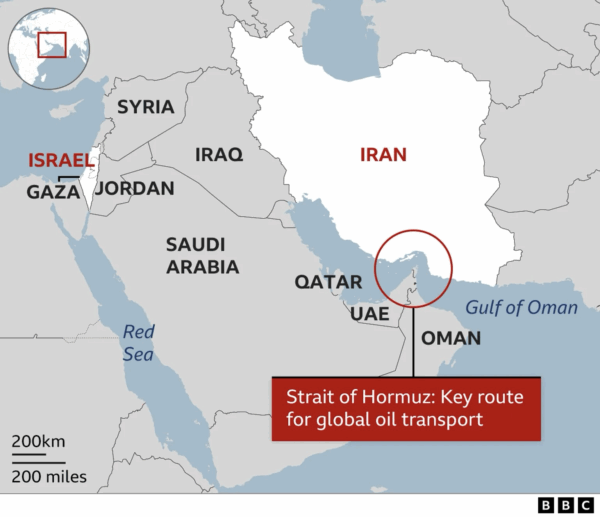
The Strait of Hormuz, through which approximately 20% of global oil shipments pass under normal circumstances, has become a maritime battlefield where standard safety protocols have largely collapsed. Ships are now operating in what experts describe as a communications blackout, deliberately avoiding the transmission of identification and positioning data that normally keeps vessels safe from collisions and helps coordinate traffic flow through the narrow waterway.
Maritime intelligence specialists report that this breakdown in communication represents an unprecedented situation in modern commercial shipping. Vessels are essentially operating blind, relying on visual navigation and basic radar systems while avoiding the Automatic Identification System (AIS) and other standard maritime safety technologies. The practice appears to be driven by security concerns, as ships attempt to avoid detection by hostile forces while transiting the contested waters.
The implications extend far beyond immediate navigation hazards. Insurance companies have begun classifying the strait as a high-risk zone, dramatically increasing premiums for vessels attempting passage. Several major shipping companies have suspended operations through the waterway entirely, opting instead for much longer alternative routes that add weeks to journey times and significantly increase transportation costs.
The situation has created a feedback loop that further complicates efforts to restore normal commercial traffic. As more vessels avoid the strait or operate without standard safety equipment, the waterway becomes increasingly dangerous for the ships that do attempt passage. Military officials from multiple nations have expressed concern that the breakdown in civilian maritime protocols could lead to incidents involving naval vessels, potentially escalating the broader conflict in unpredictable ways.