Artemis II Mission Breaks 54-Year-Old Space Distance Record Previously Held by Apollo 13
Former Apollo astronaut Fred Haise expresses happiness about passing on his long-standing record to the next generation of lunar explorers.
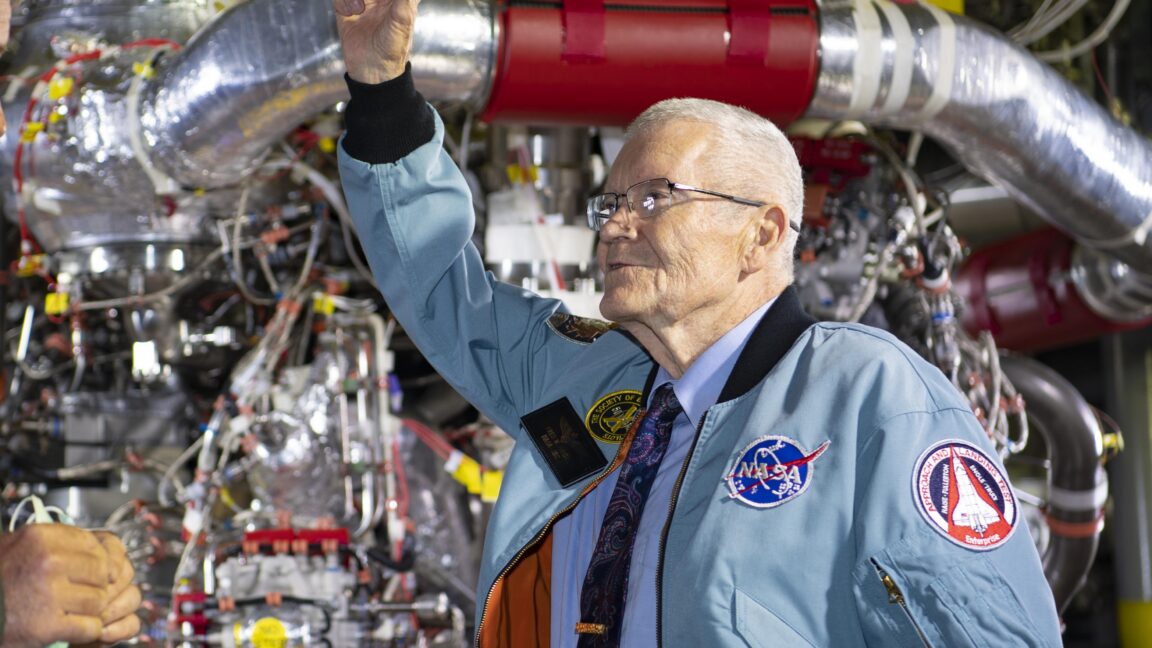
The Artemis II mission has officially broken a space distance record that stood for 54 years, surpassing the mark previously held by Apollo 13 astronaut Fred Haise and his crewmates. The achievement represents a significant milestone in NASA's ambitious return to lunar exploration, with the Artemis II crew traveling farther from Earth than any humans since the Apollo era ended in the 1970s. Remarkably, Haise himself has expressed genuine happiness about passing on his long-held record to the current generation of space explorers, viewing it as a natural progression in humanity's journey beyond Earth orbit.
The previous distance record was set during the ill-fated Apollo 13 mission in April 1970, when Haise, along with commander Jim Lovell and command module pilot Jack Swigert, were forced to swing around the Moon and return to Earth after an oxygen tank explosion crippled their spacecraft. Their trajectory took them approximately 248,655 miles from Earth, a record that remained unbroken for more than five decades. The dramatic circumstances that created the record - born out of a life-threatening emergency rather than planned exploration - make its eventual breaking by Artemis II particularly symbolic of renewed progress in space exploration.
Fred Haise's positive reaction to losing his record reflects the spirit of space exploration, where achievements are viewed as stepping stones for future generations rather than personal accolades to be jealously guarded. At 93 years old, Haise represents a living link between the golden age of Apollo and the modern Artemis program, and his blessing of the new record holders demonstrates the continuity and shared purpose that connects different eras of space exploration. His willingness to celebrate the achievement shows how veteran astronauts view their role in inspiring and supporting the next wave of lunar explorers.
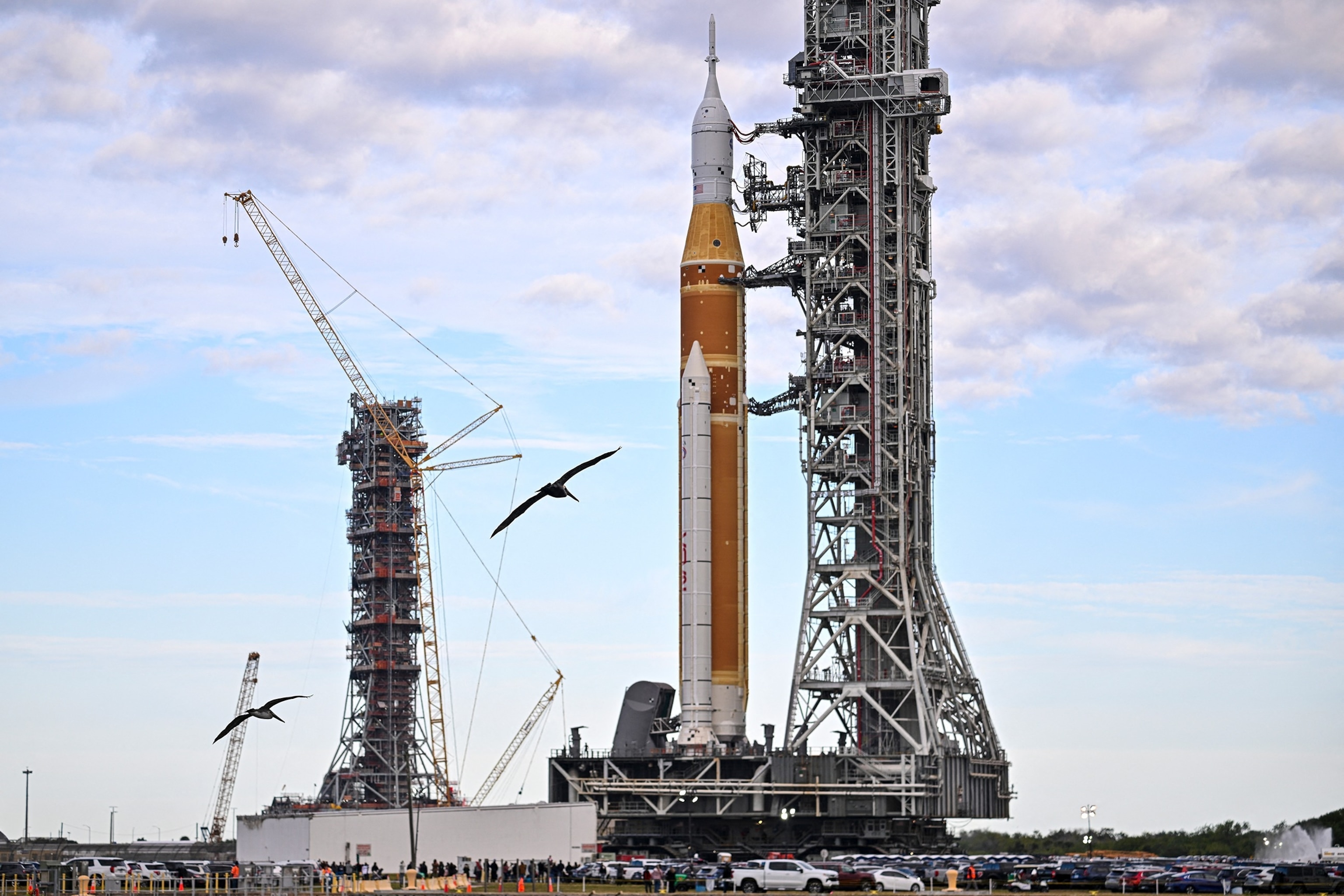
The Artemis II mission's record-breaking distance represents more than just a numerical milestone; it validates the technical capabilities and ambitious scope of NASA's lunar return program. The mission serves as a crucial test of the Orion spacecraft and Space Launch System rocket that will eventually carry astronauts to the lunar surface for the first time since Apollo 17 in 1972. Breaking Haise's distance record demonstrates that the new generation of spacecraft and life support systems can safely transport crews to the distances necessary for lunar operations.
The achievement also carries emotional weight for the space community, as it represents the fulfillment of decades of planning, development, and investment in returning humans to deep space. For Haise and his fellow Apollo veterans, seeing their records broken by Artemis missions represents validation that their pioneering efforts were not an endpoint but rather the foundation for continued human exploration of the solar system. The passing of this particular torch from Apollo to Artemis symbolizes humanity's renewed commitment to pushing the boundaries of space exploration beyond Earth orbit.