Artemis II Crew Safely Returns to Earth After Setting New Human Spaceflight Distance Record
The four-person NASA crew traveled 252,756 miles from Earth — farther than any humans since 1972 — completing the first crewed lunar mission in more than five decades.
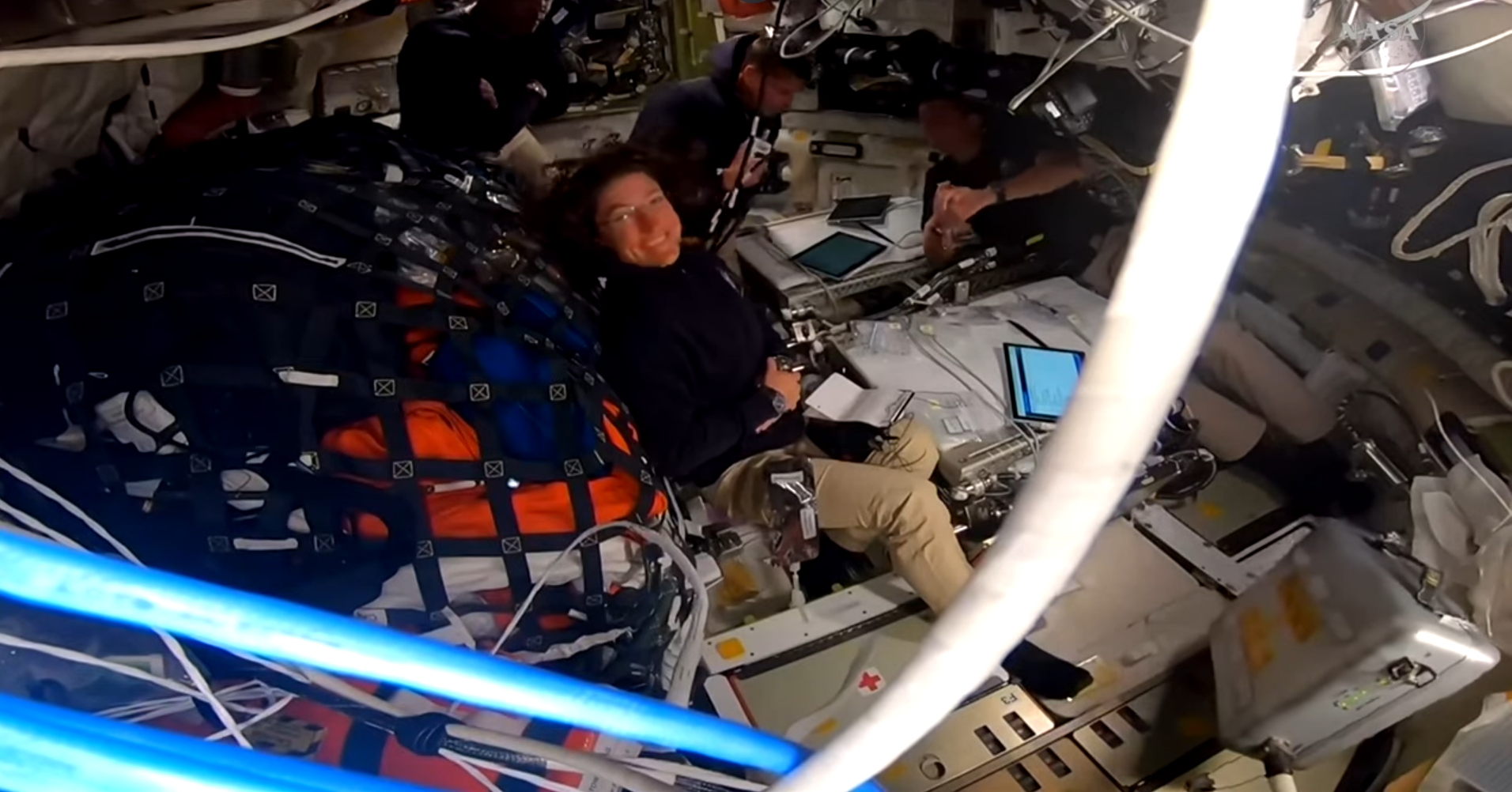
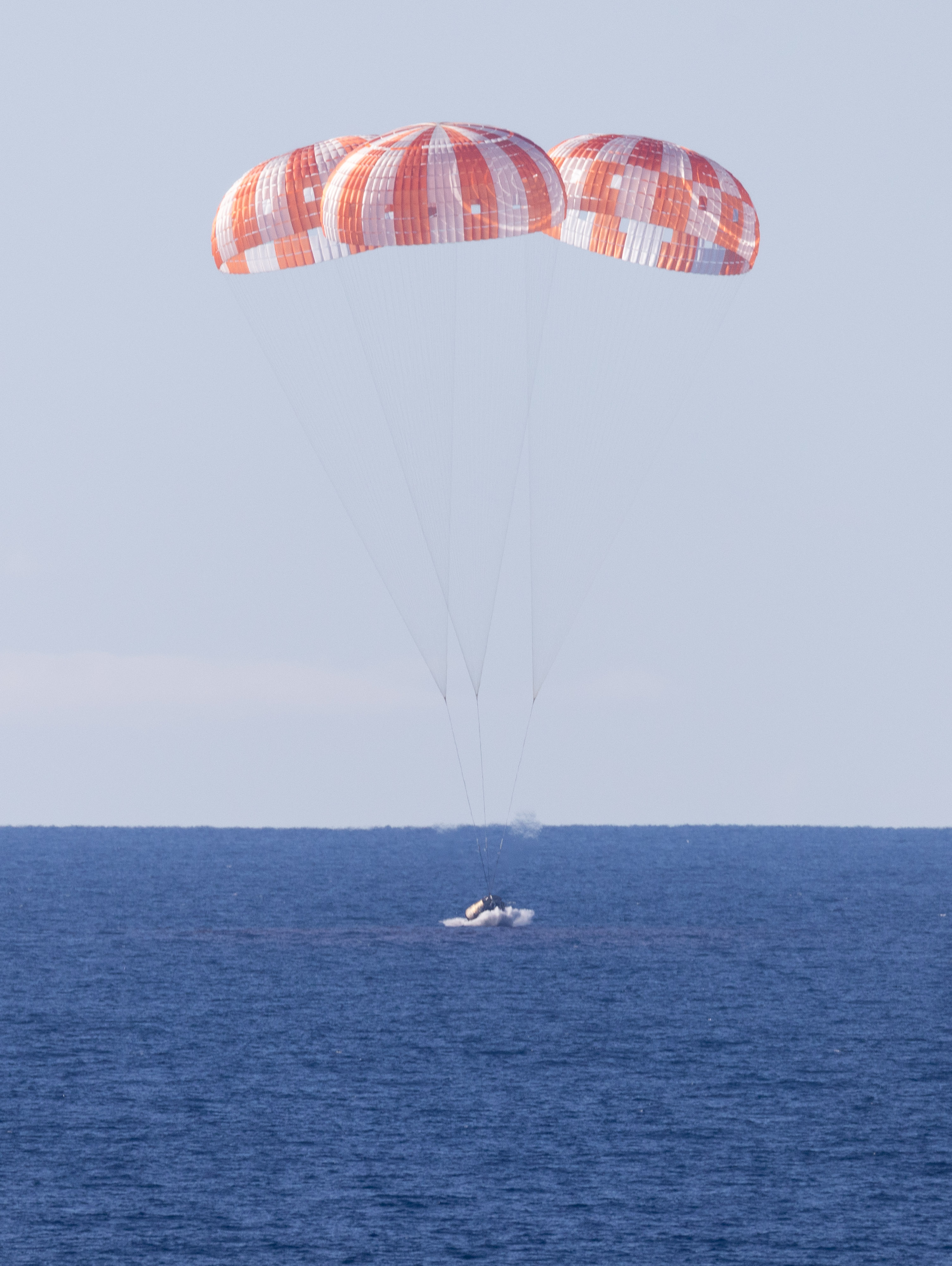
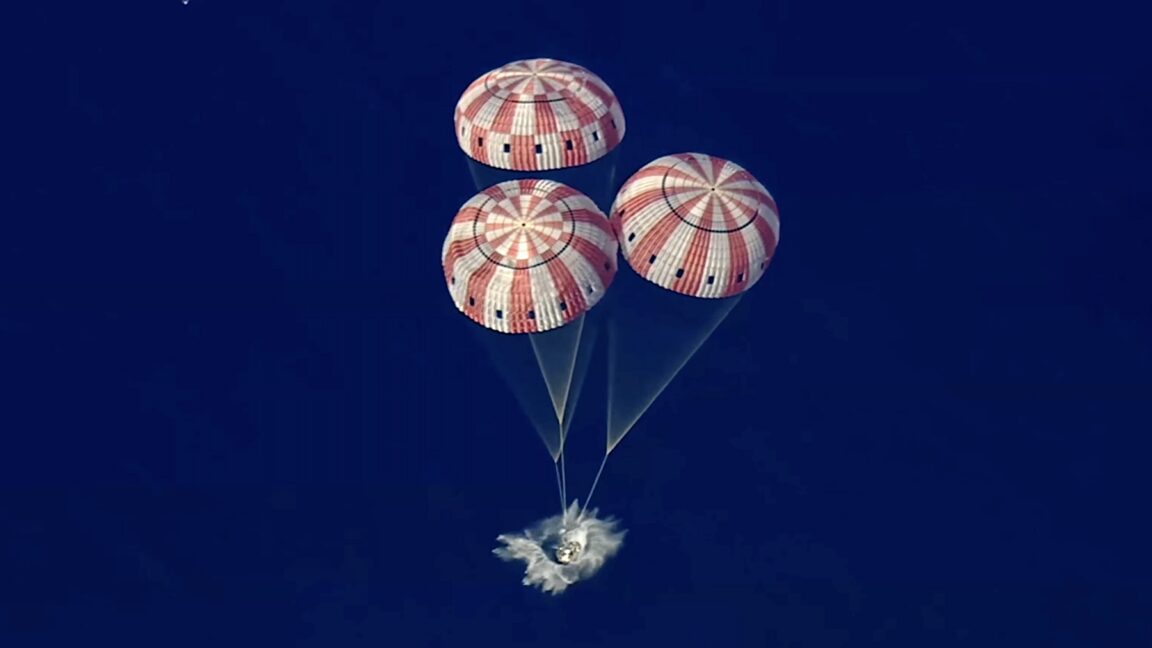
Four NASA astronauts splashed down safely on April 11, completing a ten-day journey that carried them farther from Earth than any human beings since Apollo 17 in 1972. The Artemis II mission — the first crewed flight to the vicinity of the Moon in more than five decades — set a new human spaceflight distance record, carried the first woman and first person of color beyond low Earth orbit, and marked the beginning of what NASA describes as a sustained human return to the lunar region.
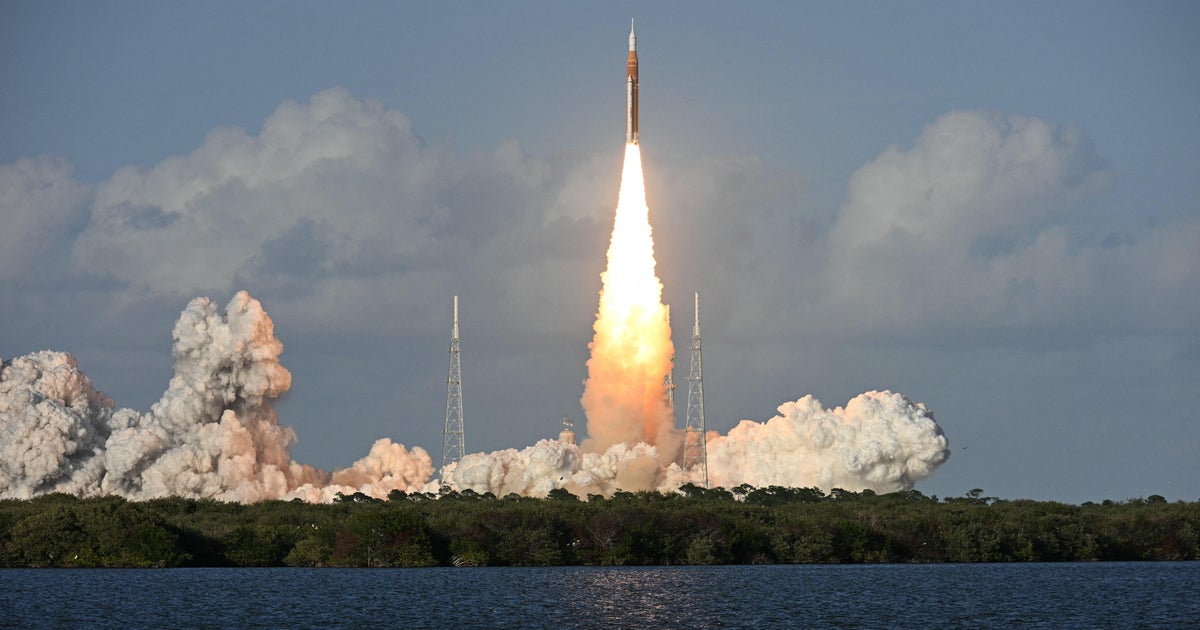
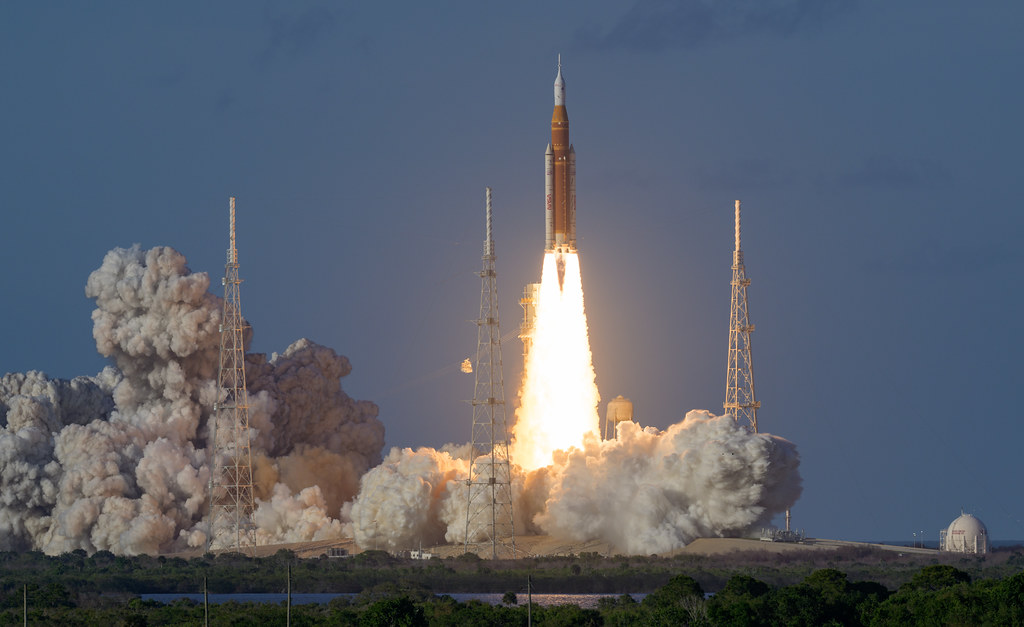
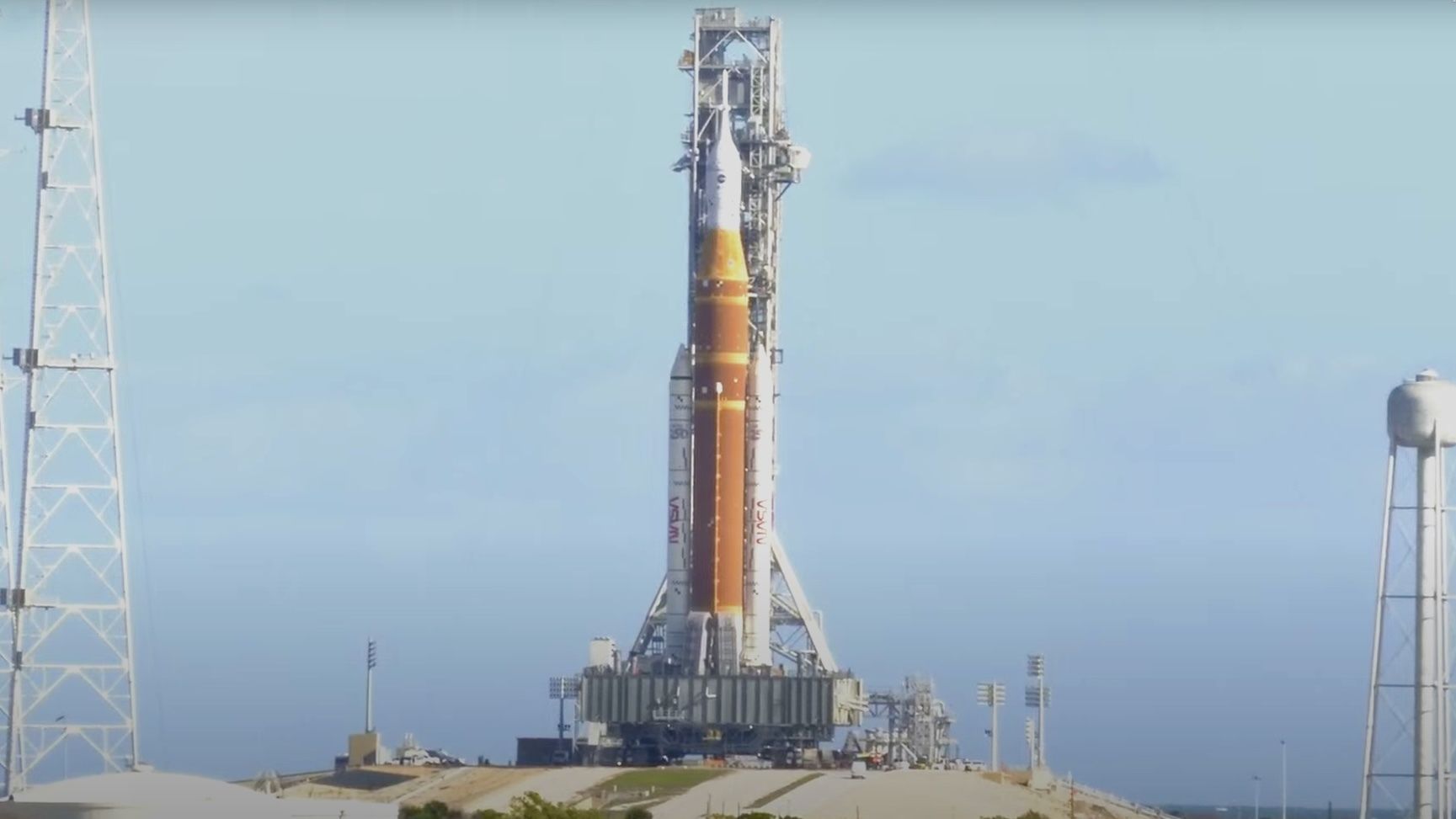
Commander Reid Wiseman, Pilot Victor Glover, Mission Specialist Christina Koch, and Canadian Space Agency astronaut Jeremy Hansen launched atop NASA's Space Launch System rocket from Kennedy Space Center's Launch Complex 39B on April 1. Glover became the first person of color to travel beyond low Earth orbit; Koch became the first woman to do so; Hansen became the first non-American. The crew flew aboard the Orion spacecraft, the agency's next-generation deep-space capsule, on a free-return trajectory that carried them around the far side of the Moon and back.
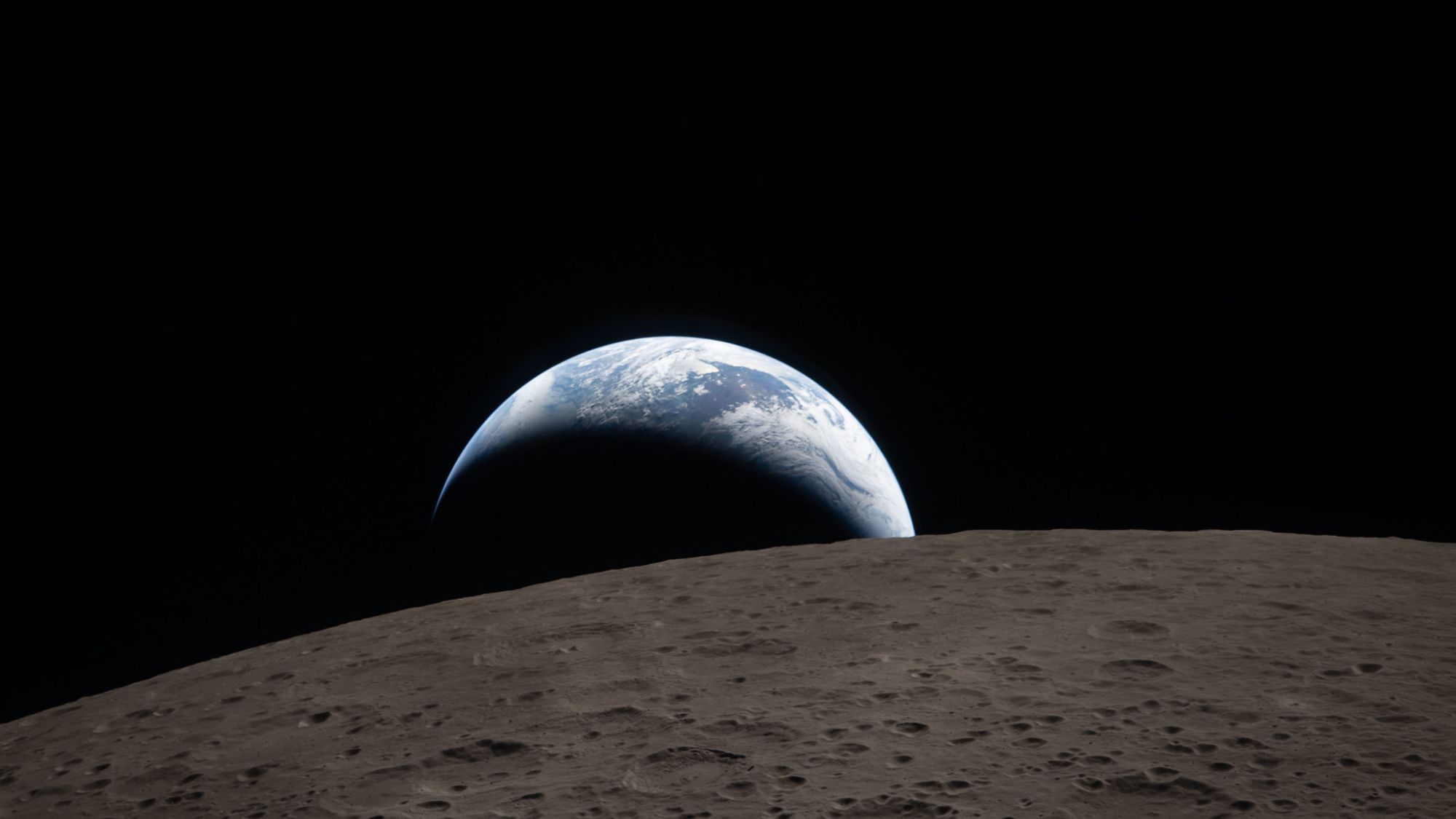
On April 6 at 12:56 p.m. CDT, the crew broke the record for the farthest distance from Earth in human spaceflight history — surpassing the 248,655-mile record set involuntarily by the Apollo 13 crew during their damaged mission in April 1970. Artemis II reached a maximum distance of approximately 252,756 miles from Earth. The crew's closest approach to the lunar surface was approximately 4,067 miles — not a landing, but close enough for the astronauts to observe the lunar far side with their naked eyes for the first time in human history. They also witnessed a solar eclipse as the Moon passed between the Orion spacecraft and the Sun.
During the mission, the crew proposed names for two previously unnamed lunar craters — one honoring the Orion capsule itself, to be called "Integrity," and another commemorating Commander Wiseman's late wife, Carroll. The International Astronomical Union is expected to formally consider the names later in 2026. The crew's smooth return validated the Orion capsule's life support systems, navigation capabilities, and heat shield after more than a decade and approximately $30 billion in development costs following the cancellation of the earlier Constellation program.
Hansen, reflecting on the mission's historic nature, said: "We do so in honoring the extraordinary efforts and feats of our predecessors in human space exploration," and challenged future crews to push the distance record even farther. NASA's Artemis program calls for landing astronauts on the lunar south pole — where water ice deposits in permanently shadowed craters could eventually support a sustained human presence — as early as 2028. Artemis II's success removes the final uncrewed test milestone standing between NASA and that historic landing attempt. The mission also validated SpaceX's Starship as a candidate human landing system, with a demonstration landing scheduled for the Artemis III mission in 2027.