Anak Krakatau Erupted at 3:53 in the Morning. By Afternoon Six Indonesian Airports Were Closed
A 30-second eruption in the Sunda Strait pushed ash to 50,000 feet and shut Jakarta's Soekarno-Hatta airport, stranding roughly 22,800 passengers. No one was hurt, and no evacuation was ordered.
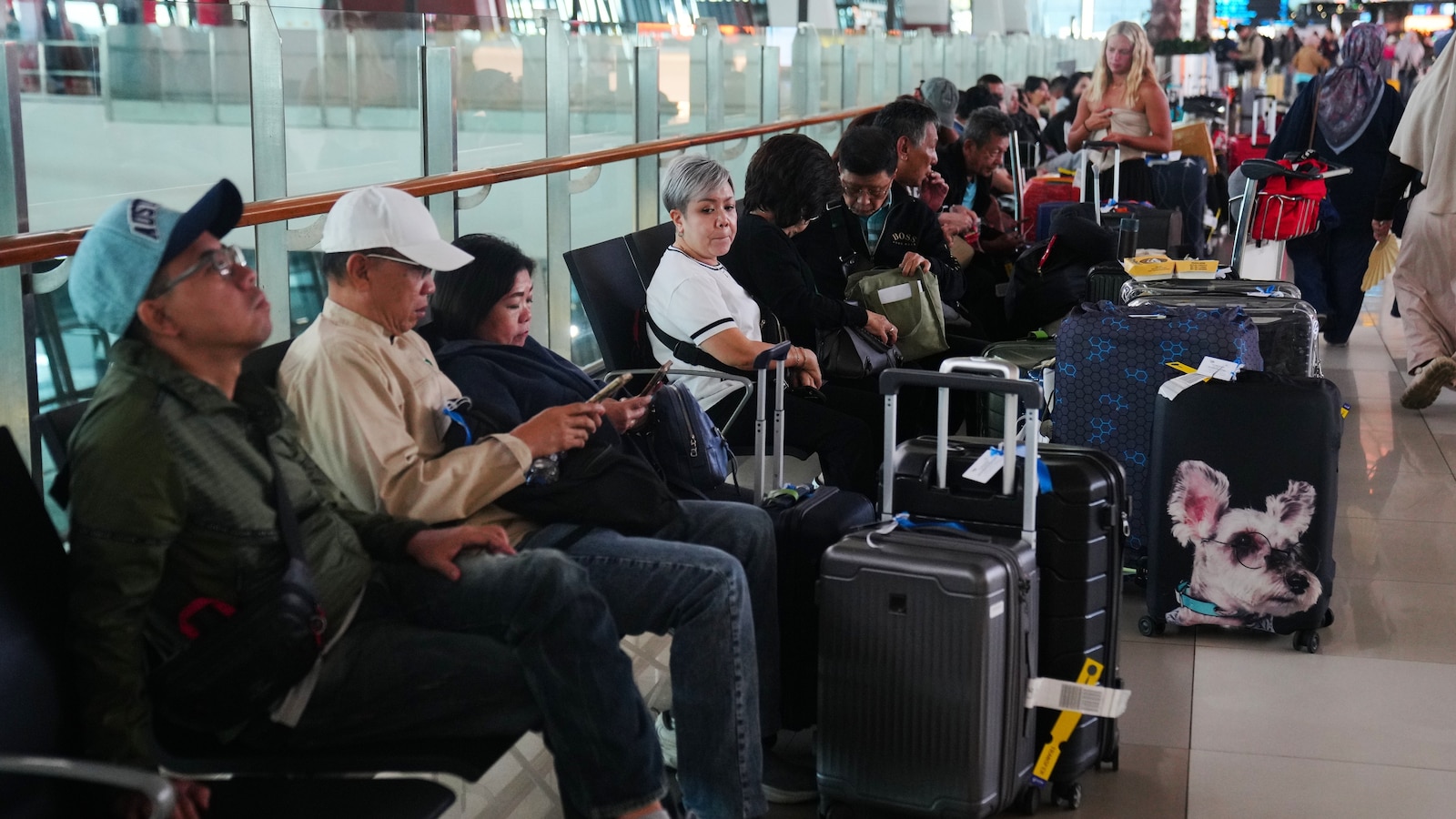
Anak Krakatau erupted for 30 seconds at 3:53 a.m. Sunday, and by mid-afternoon the eruption had closed the airspace over six Indonesian airports and cancelled the travel plans of tens of thousands of people.
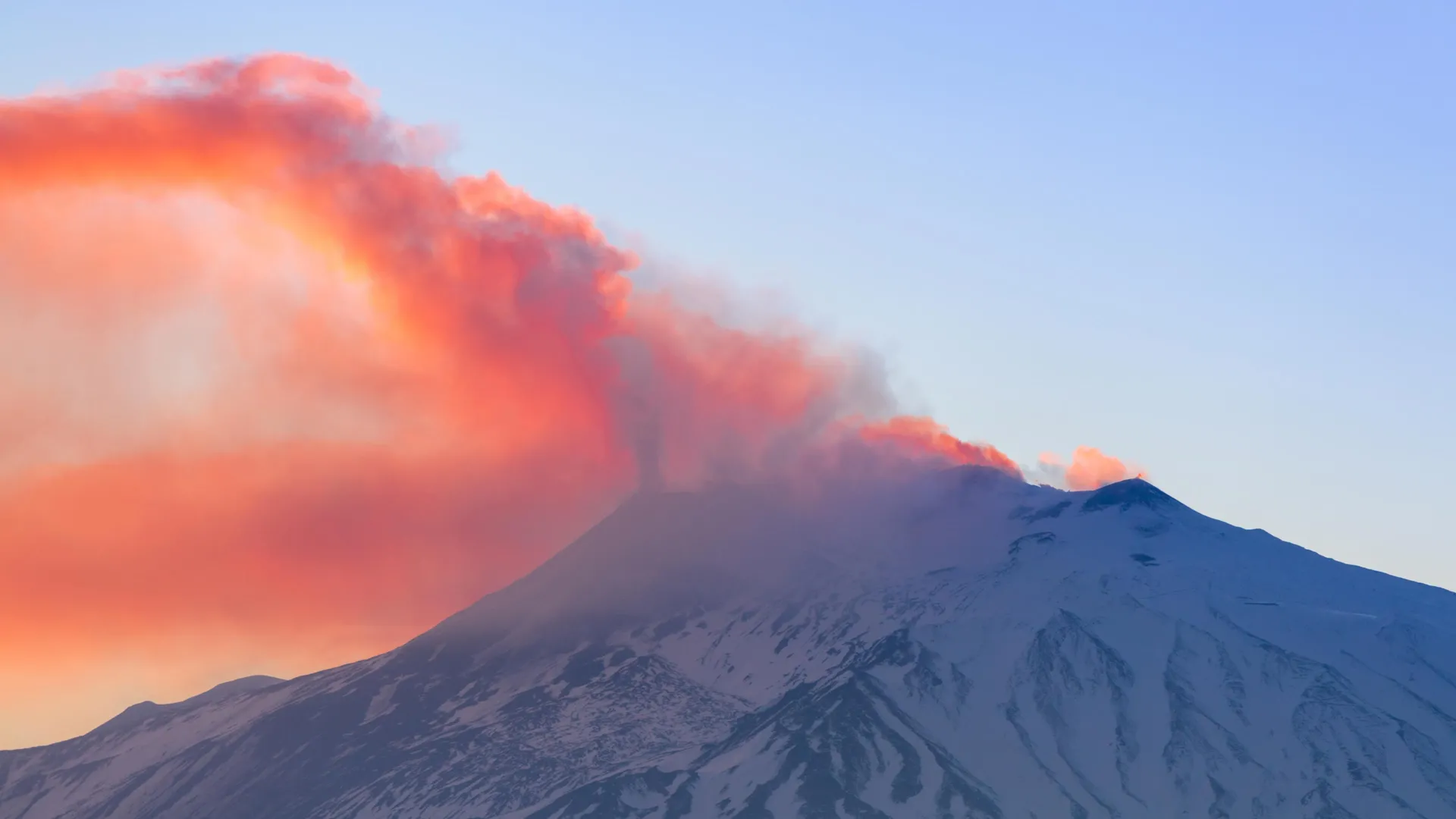
The volcano sits in the Sunda Strait, the channel separating Java from Sumatra, and closed-circuit cameras trained on the crater captured lava flares during the eruption. Two distinct ash clouds formed. The lower one rose to 20,000 feet and drifted northeast over Jakarta, Banten and West Java. The higher one reached 50,000 feet — well above the cruising altitude of a commercial jet — and spread across Banten, Lampung and Bengkulu provinces and out over the Indian Ocean west of Sumatra.
AirNav Indonesia, the country's air navigation authority, closed airspace at six airports, including Jakarta's Soekarno-Hatta and Halim Perdanakusuma and Radin Inten II in Lampung. Soekarno-Hatta, which sits more than 150 kilometers from the crater, was ordered shut until at least 5:30 p.m. local time. By mid-afternoon 516 flight movements had been affected nationwide, with 202 cancellations at Soekarno-Hatta alone hitting roughly 22,800 passengers. Service was also disrupted at Bali's I Gusti Ngurah Rai International Airport and at Medan. Volcanic ash is abrasive and melts inside jet engines, which is why aviation authorities close airspace rather than route around it.
"Safety remains our top priority in every operational decision," said Lukman F. Laisa, the transportation ministry's director general of civil aviation.
No casualties were reported and no evacuation order was issued. The nearest settlement is more than 16 kilometers from the crater, and Indonesia's disaster mitigation agency said there was no imminent tsunami risk. Authorities told residents and visitors to stay at least three kilometers from the active vent.
Lana Saria, who heads Indonesia's Geological Agency, said activity at the volcano has been building since July and that Sunday's event was the strongest of the current unrest. "We continue to evaluate the volcano's development based on all monitoring data, not solely on the number of eruptions or the height of the ash column," she said.
The caution has a specific history behind it. Anak Krakatau — the name means "child of Krakatau" — is the cone that grew inside the caldera left by the catastrophic 1883 eruption. In December 2018 a flank of the volcano collapsed into the sea without warning and generated a tsunami that killed at least 430 people along the coasts of Java and Sumatra. The collapse cut the island to roughly a quarter of its former size. Indonesian monitoring of the volcano has been continuous and unusually intense ever since.