61% of Americans Forced to Cut Back on Groceries as Trump Policies Drive Up Living Costs
More than three-quarters of Americans, including majority of Republicans, say president's policies have increased local cost of living.

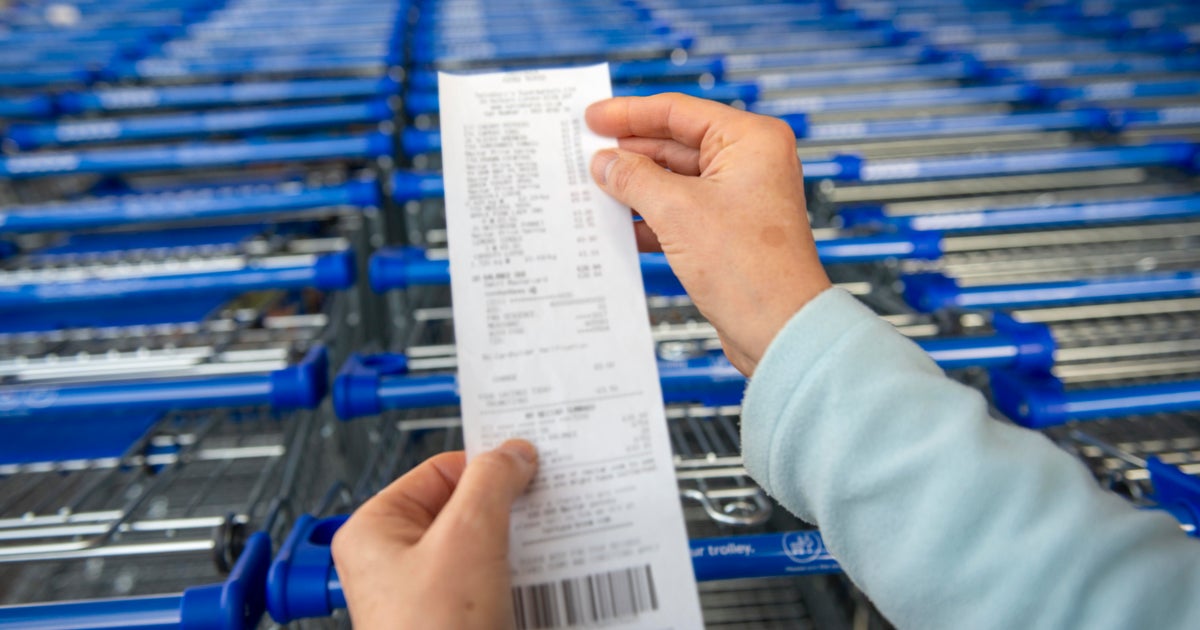
A sweeping majority of Americans report being forced to reduce their grocery spending as the Trump administration's policies continue to drive up the cost of living across the country, according to new polling data that underscores the economic pressures facing households nationwide. The findings reveal that 61% of Americans have had to cut back on food purchases, while an even larger portion—more than three-quarters—directly attribute rising local costs to the president's policy decisions.
The economic strain cuts across party lines, with 55% of Republicans acknowledging that President Trump's policies have increased living costs in their communities. This bipartisan recognition of policy-driven inflation suggests that economic concerns may be reshaping political calculations as Americans grapple with higher prices for basic necessities. The data indicates that even Trump's core supporters are experiencing and recognizing the financial impact of his administration's approach to economic policy.
Grocery spending represents one of the most visible and immediate indicators of household economic stress, as food purchases are both essential and frequent. When families are forced to reduce food spending, it often signals deeper financial pressures that can cascade through other areas of household budgets. The 61% figure represents millions of American families making difficult decisions about nutrition and meal planning based on economic constraints rather than dietary preferences or health considerations.
The polling results come at a time when the Trump administration faces mounting criticism over its handling of economic policy, particularly regarding measures that critics argue have contributed to inflationary pressures. The administration's approach to trade, energy policy, and fiscal spending has drawn scrutiny from economists and policy analysts who warn that certain initiatives may be exacerbating cost-of-living challenges for American families.
The breadth of Americans reporting increased living costs—more than three-quarters according to the survey—suggests that economic pressures are not limited to specific regions or demographic groups but represent a widespread national phenomenon. This level of economic dissatisfaction could have significant implications for the Trump administration's political standing and policy agenda, particularly as families continue to struggle with basic expenses like food, housing, and transportation in communities across the country.