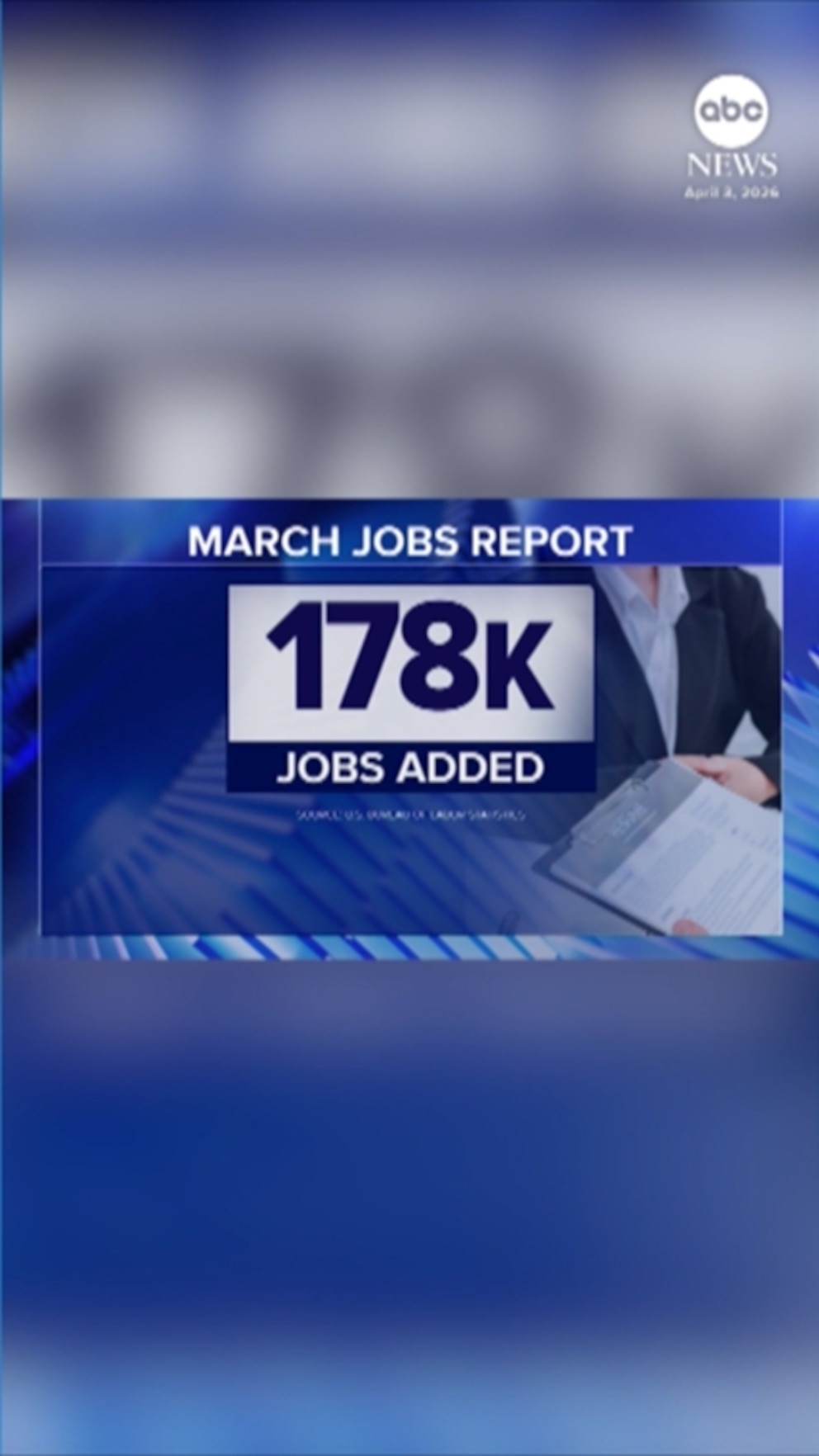
U.S. Adds 172,000 Jobs in May, Smashing Forecasts and Slamming the Door on a Fed Rate Cut
Hiring nearly doubled economists' expectations as restaurants, bars and hotels led the way — but wage growth trailed inflation, squeezing workers even as the labor market held firm.

American employers added 172,000 jobs in May, the Labor Department reported Friday, more than doubling the 85,000 economists had forecast and signaling a labor market far more resilient than many on Wall Street had expected. The unemployment rate held steady at 4.3 percent for the month.
The gains were concentrated in a handful of sectors. Leisure and hospitality led the way, with restaurants and bars alone adding 48,000 positions, while local government and health care also posted solid increases. Employment in financial activities slipped, one of the few soft spots in an otherwise broad-based report.
The blowout headline number masked a tougher reality for workers' paychecks. Average hourly earnings rose just 3.4 percent from a year earlier — likely not enough to keep pace with inflation, which ran at 3.8 percent for the 12 months ending in April. With energy prices elevated by the war with Iran, many households are effectively losing ground even as hiring stays strong.
The reaction from economists was swift. "Payroll Blowout!" wrote Lindsay Rosner, head of multi-sector fixed income investing at Goldman Sachs Asset Management. Gus Faucher, chief economist at PNC, called it "a labor market that is stronger than it was last year and is looking pretty darn solid, despite high energy prices and higher inflation generally."
For the Federal Reserve, the report all but eliminates the case for cutting interest rates in the near term. "The above-consensus jobs numbers are likely to further deter the Federal Reserve from lowering interest rates anytime soon," said Ellen Zentner, chief economic strategist at Morgan Stanley Wealth Management. "More solid jobs data leaves the Fed where it's been for a while — watching and waiting, focused on the inflation side of its mandate."
The figures hand the central bank a complicated mix: a job market sturdy enough to withstand a war-driven energy shock, paired with inflation that refuses to retreat. Fed officials have already signaled that price pressures, not employment, are now their "bigger concern," and Friday's numbers give them little reason to ease. For workers, that means borrowing costs are likely to stay high even as their wages fail to outrun the cost of living.