Cornell Chip Cools a Trapped Atom to Its Quantum Ground State Three Times Faster
Laser light routed through a microfabricated chip cooled all three motions of a calcium ion in about 150 microseconds, easing a bottleneck for quantum computers.
Topic
10 stories from Planck Standard. Latest: November 20, 2026.

Laser light routed through a microfabricated chip cooled all three motions of a calcium ion in about 150 microseconds, easing a bottleneck for quantum computers.

A Cornell-led team found the states by accident while chasing twisted graphene, in a device where two three-layer sheets relaxed into a rhombohedral stack.

The Nature Physics result makes the uranium compound the leading candidate for a topological superconductor, a long-sought material for quantum computing.
The films beat cubic boron nitride and conduct electricity more than 100 million times better than any earlier report at comparable bandgaps, according to a Nature paper.

The Nature Nanotechnology study finds the magnetic state persists after the voltage is removed, hinting at rewritable quantum materials.

Cornell and Beijing researchers found that BC200, a gene active in human neurons, is still a working 'jumping gene' that has leapt into the molluscum contagiosum poxvirus at least twice.

No external magnets, no magnetic materials — just a germanium metasurface and a well-timed laser pulse that changes the rules while the light is still inside.

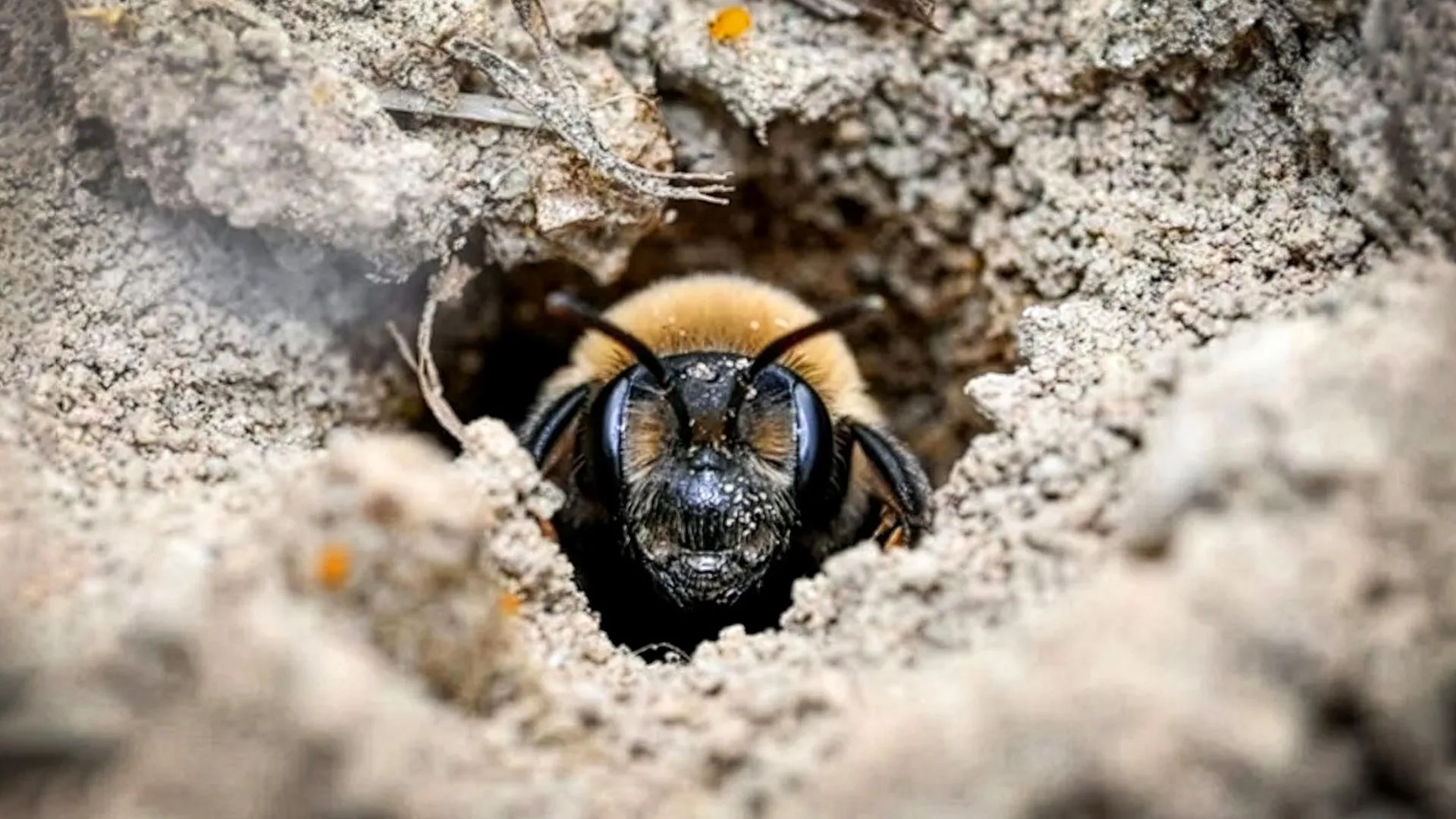
A Cornell researcher's walk through an Ithaca graveyard uncovered a sprawling underground 'city' of solitary mining bees that may have thrived in the sandy soil for more than a century.
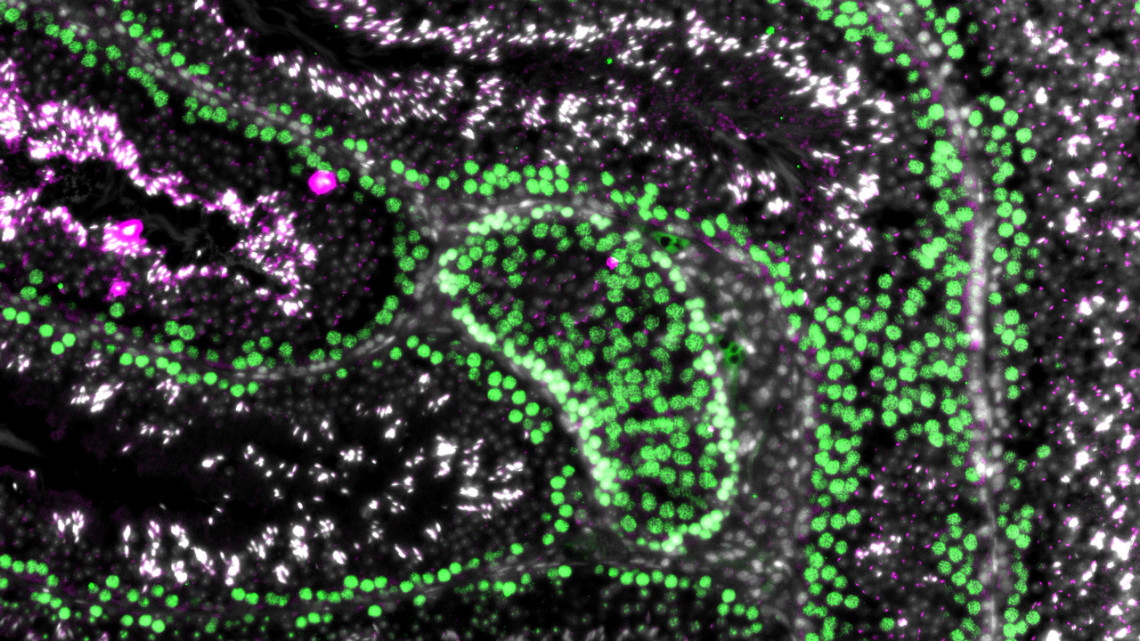
A six-year Gates Foundation-funded study showed that targeting a specific stage of meiosis completely halted sperm production in mice, with full fertility restored within six weeks of stopping treatment.

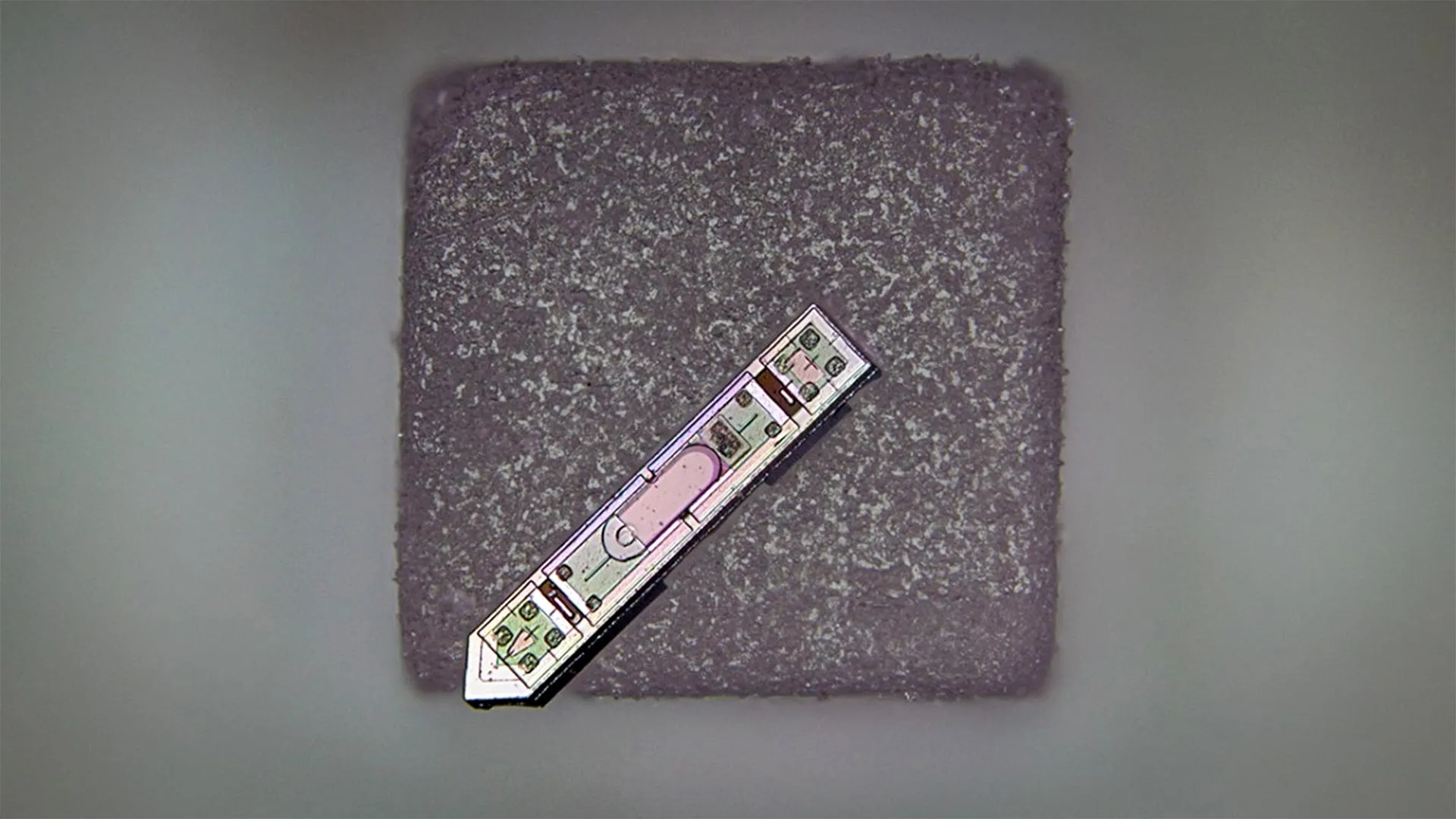
Cornell's MOTE device uses laser beams to power and communicate with the world's tiniest wireless neural implant, opening a new path for brain-computer interfaces that require no wires or batteries.