Implant Smaller Than a Grain of Salt Wirelessly Tracks Brain Activity for Over a Year in Breakthrough
Cornell's MOTE device uses laser beams to power and communicate with the world's tiniest wireless neural implant, opening a new path for brain-computer interfaces that require no wires or batteries.
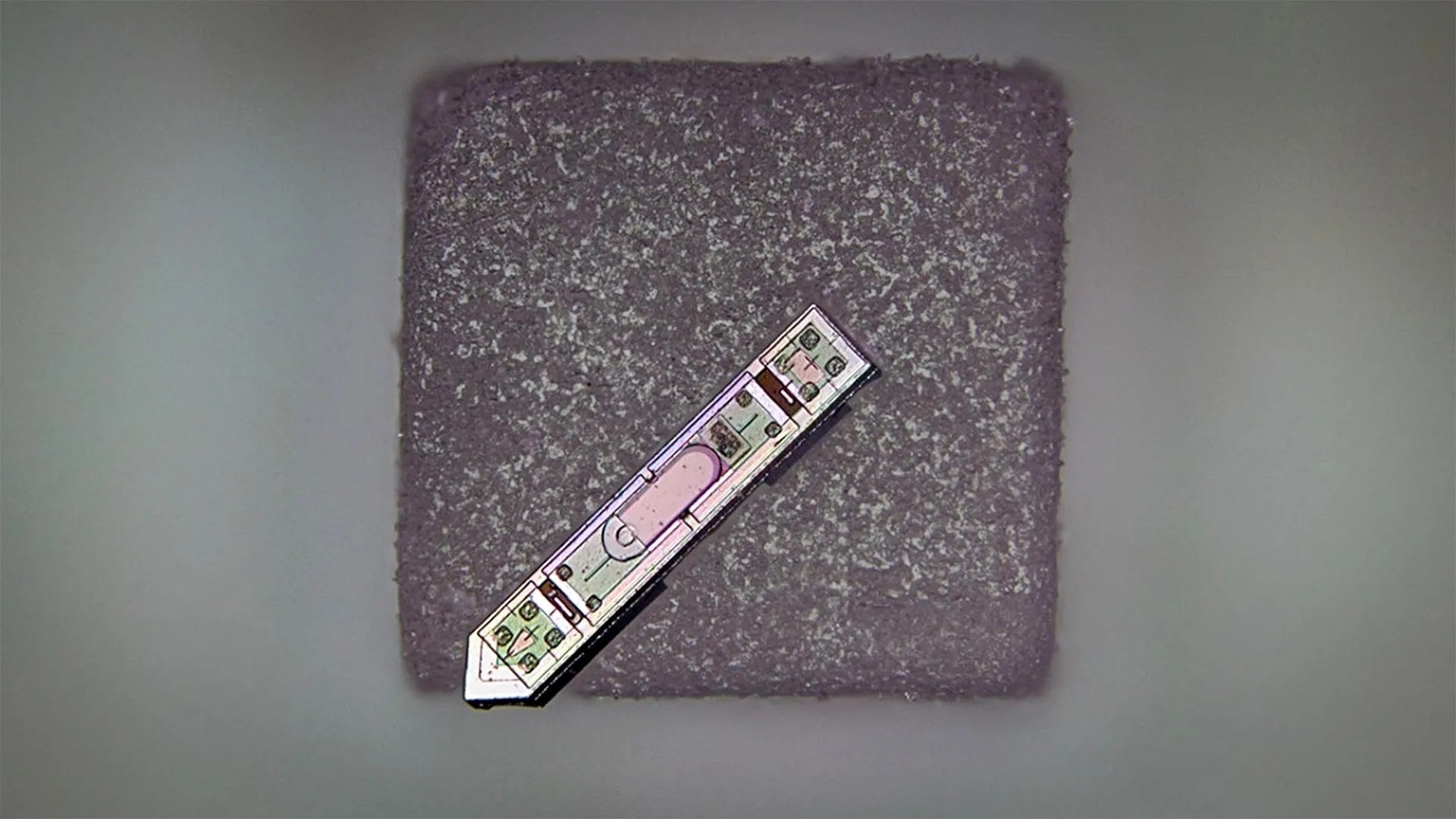
Engineers at Cornell University have developed a wireless neural implant so small it can fit on a grain of salt that successfully recorded and transmitted brain activity for over a year in living animals, according to a study published in Nature Electronics. The device, named MOTE — for microscale optoelectronic tetherless electrode — measures approximately 300 microns long and 70 microns wide, making it the smallest wireless brain implant ever demonstrated. Its creators say the device could eventually enable a new generation of brain-computer interfaces and neurological therapies that require no physical wires, batteries or connectors passing through the skull.
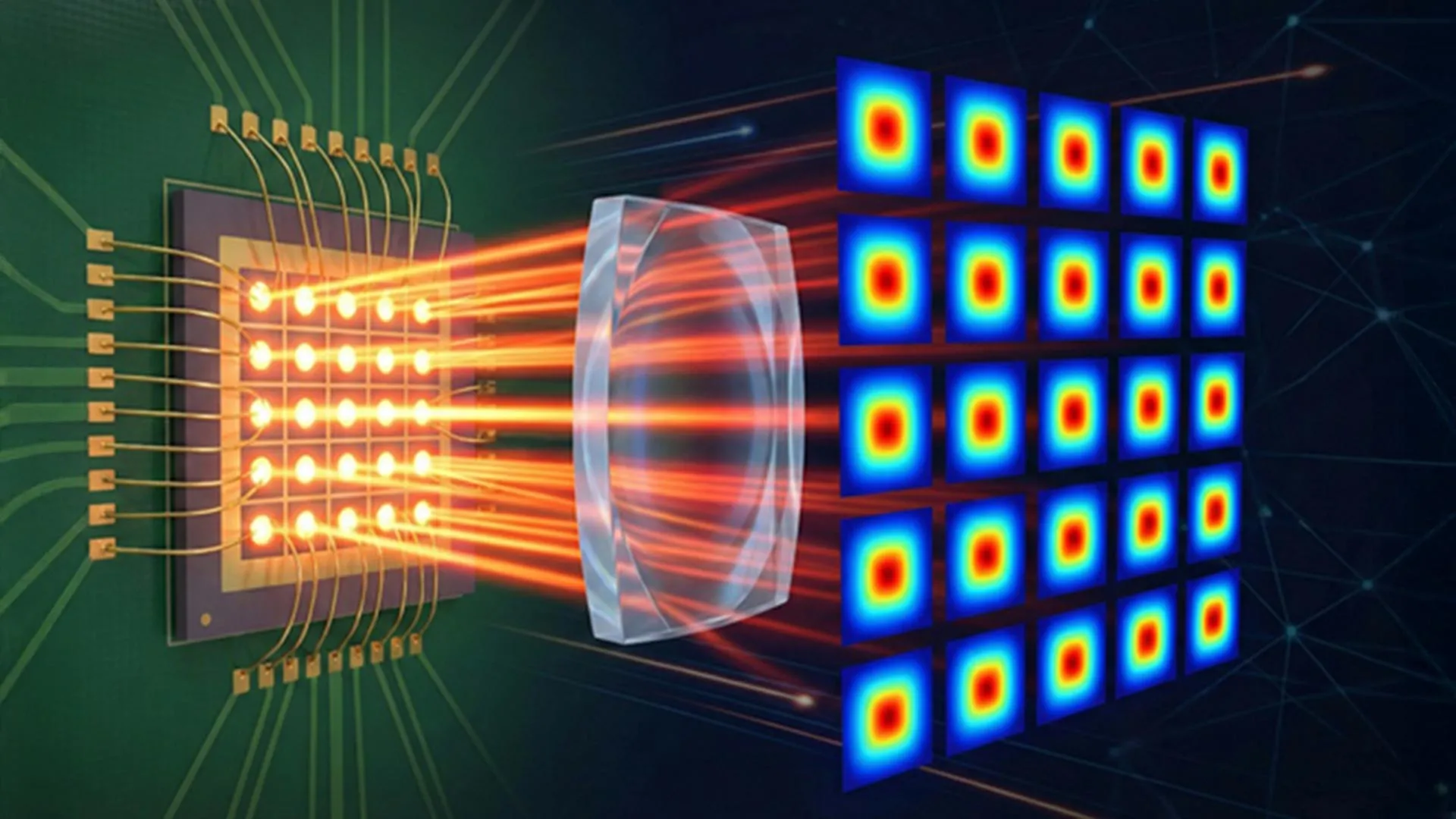
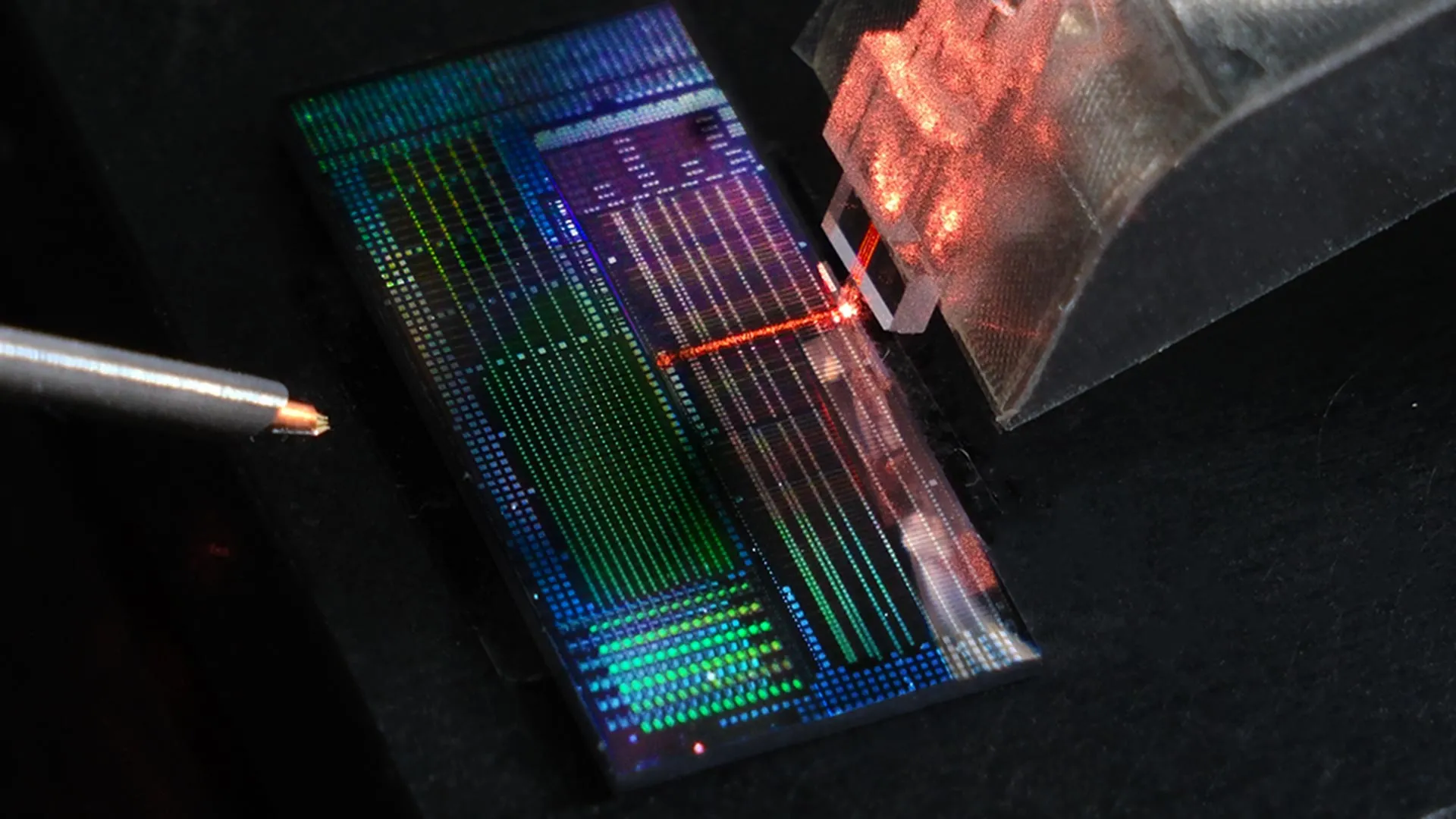
Current neural implants, including devices used in clinical research settings, rely on wired connections or relatively large wireless modules to transmit brain signals. These physical constraints limit where devices can be placed, create infection risks at skin-wire interfaces, and make it difficult to record from multiple distributed sites simultaneously. MOTE eliminates these constraints by using light for both power delivery and data transmission. External laser beams at red and infrared wavelengths are shone through the skull and brain tissue, where they are absorbed by a semiconductor diode at the core of each implant made from aluminum gallium arsenide. The diode captures the incoming light to power the device and emits modulated pulses of infrared light to encode and transmit brain electrical signals back to external detectors.
The approach borrows from satellite communications technology. MOTE encodes signals using pulse position modulation, the same scheme used to transmit data via laser in free-space optical links. Because each implant communicates using its own distinctive pattern of light pulses, multiple MOTEs can theoretically operate simultaneously in the same brain region without signal interference — a key requirement for mapping neural circuits at scale. In animal tests, implants placed in the barrel cortex of mice successfully recorded action potentials — the discrete electrical spikes that neurons produce when they fire — as well as slower synaptic field potentials, a broader measure of collective neural activity. The recordings remained stable for 13 months without any signs of device failure.
The implications for medicine are substantial. Alyosha Molnar, the Cornell electrical engineering professor who led the research, said the device could enable neural recording during MRI brain scans — something essentially impossible with current wired implants, which interfere with magnetic fields. The implant's small size also suggests the possibility of distributing many devices across the brain surface or spinal cord to create high-density neural maps with minimal tissue disruption. Future versions of MOTE could be designed to deliver electrical stimulation as well as record signals, enabling therapeutic applications for conditions including epilepsy, chronic pain, spinal cord injury and treatment-resistant depression.
For the field of brain-computer interfaces, MOTE represents a potential inflection point. The dominant paradigm has been to increase the electrode count per implant while keeping each device large enough to handle radio-frequency wireless communication — an engineering tradeoff that limits miniaturization. Cornell's approach inverts this logic by making each individual implant vanishingly small and enabling wireless operation through optical rather than radio channels. Collaborators at Nanyang Technological University in Singapore contributed to the optical sensing and signal processing aspects of the project. While MOTE has been demonstrated only in animal models, the researchers note that similar aluminum gallium arsenide components are already manufactured commercially for telecommunications equipment, suggesting a plausible pathway to production at scale.