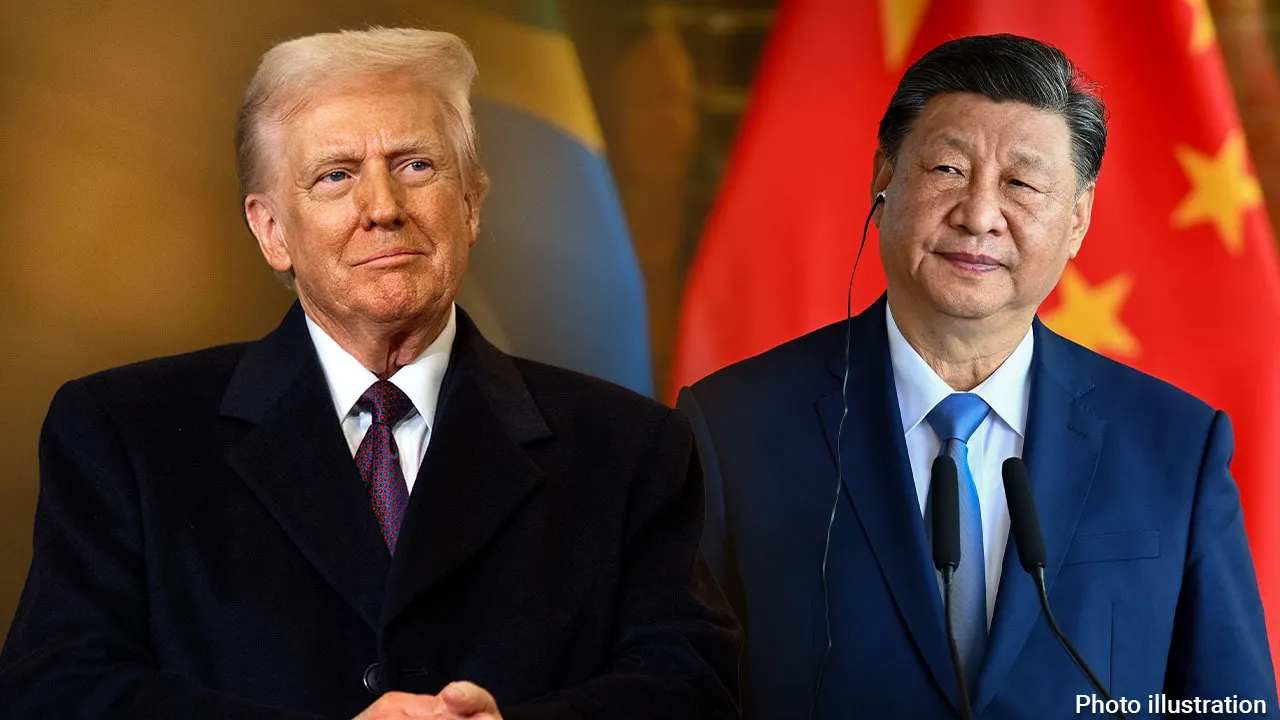
U.S. Warns China Over Iranian Oil Purchases as Sanctions Battle Escalates
China instructs independent refineries to ignore American sanctions on Iranian crude, prompting sharp warnings from Washington amid growing tensions.

The United States has issued stern warnings to China over its continued purchases of Iranian oil, as Beijing instructed its independent refineries to disregard American sanctions targeting Iranian crude exports. The escalating sanctions dispute represents a significant challenge to U.S. efforts to economically isolate Iran while highlighting China's willingness to defy American pressure in pursuit of its energy security interests. The confrontation comes at a time of heightened tensions in the Middle East and adds another layer of complexity to already strained U.S.-China relations.
China's directive to its independent refineries marks a bold challenge to the U.S. sanctions regime that has been in place for years. Chinese officials have reportedly told domestic energy companies to continue importing Iranian crude despite American warnings of potential penalties. The move demonstrates Beijing's growing confidence in its ability to resist U.S. economic pressure and reflects China's critical need for energy resources to fuel its massive economy. Independent refineries in China have been among the largest purchasers of Iranian oil, often operating through complex networks designed to circumvent sanctions.
The timing of China's defiance is particularly significant, coinciding with ongoing conflicts in the Middle East that have disrupted global energy markets. Iranian oil exports have become increasingly important to China as global energy prices remain volatile and traditional suppliers face various challenges. Chinese energy security officials view access to Iranian crude as essential for maintaining stable fuel supplies and keeping domestic energy costs manageable for Chinese consumers and industries.
U.S. officials have warned that Chinese companies and financial institutions involved in Iranian oil transactions could face severe penalties, including exclusion from the American financial system. The Treasury Department and State Department have previously imposed sanctions on Chinese entities for violating Iranian oil embargoes, but Beijing's latest directive suggests these penalties have not been sufficient deterrents. American policymakers are now considering additional measures to enforce compliance with Iranian sanctions.
The sanctions battle over Iranian oil reflects broader geopolitical tensions between Washington and Beijing, with energy policy becoming a key battleground. China's willingness to openly challenge U.S. sanctions represents a significant escalation in the ongoing economic competition between the world's two largest economies. The outcome of this confrontation could have lasting implications for the effectiveness of American sanctions policy and China's role in global energy markets.