Oil Hoarding by Wealthy Nations Drives Global Energy Prices to Crisis Levels
As Iran war tensions escalate, developed countries scramble to secure oil reserves while vulnerable nations face severe shortages and soaring costs.
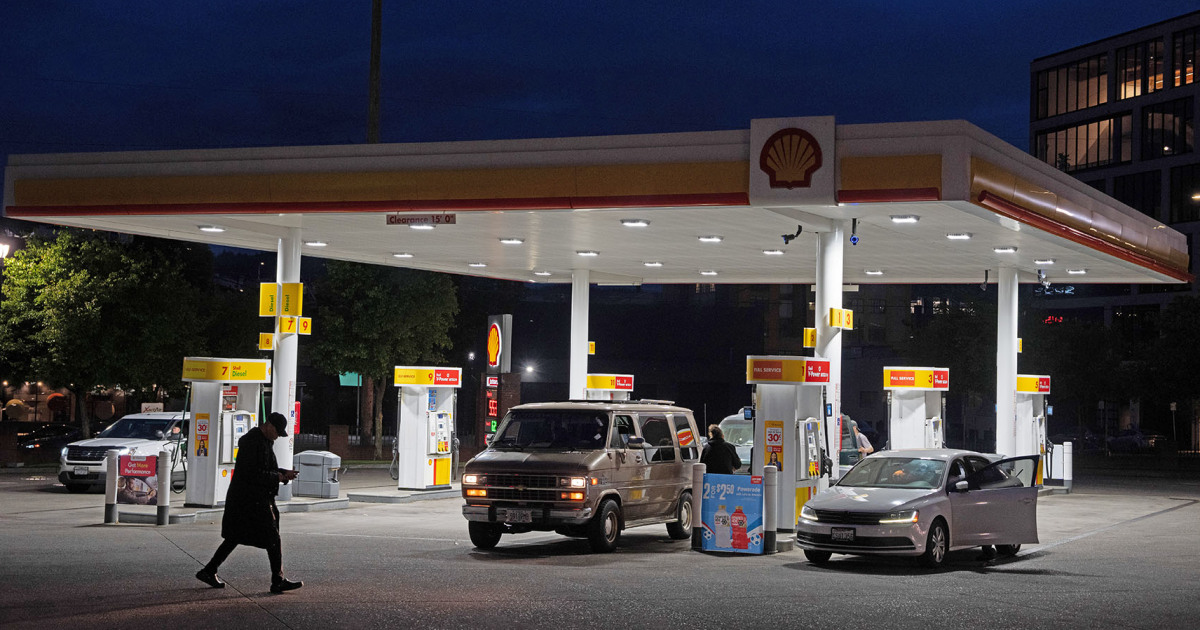
Wealthy nations are stockpiling oil reserves in response to the ongoing Iran conflict, creating a global supply crisis that is driving energy prices to unprecedented levels while leaving vulnerable countries struggling with severe shortages. The hoarding behavior, triggered by fears of prolonged disruptions in the critical Strait of Hormuz shipping route, has fundamentally altered global oil markets and exposed the fragility of international energy security systems.
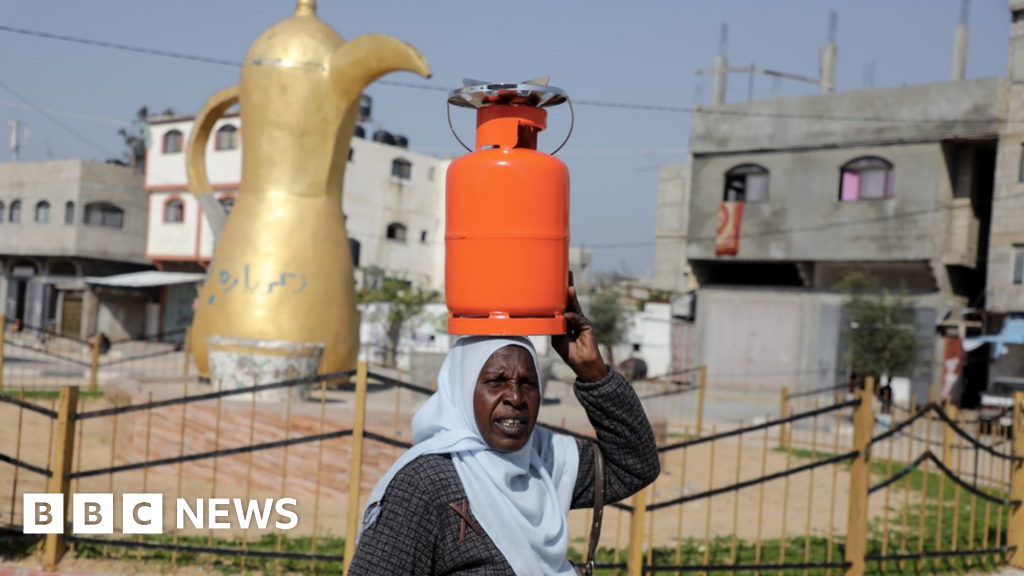
The scramble for oil reserves has created a two-tier market where developed nations with financial resources can secure supplies at premium prices, while developing countries face increasing difficulty accessing affordable energy. This disparity has led to rolling blackouts in some regions and forced governments to implement emergency rationing programs. Energy analysts warn that the current hoarding pattern could persist for months, even if the Iran conflict is resolved quickly.
The crisis has revealed the limitations of existing international energy cooperation frameworks. Traditional oil-sharing agreements designed for short-term disruptions are proving inadequate for the current prolonged uncertainty. Major oil-consuming nations are prioritizing their own strategic reserves over global market stability, effectively breaking down decades of coordinated energy policy.
Industry experts note that the hoarding is creating artificial scarcity beyond what the actual supply disruptions would normally cause. While the Strait of Hormuz remains partially operational, the fear-driven purchasing by wealthy nations has inflated demand far beyond current consumption needs. This psychological premium is adding an estimated $15-20 per barrel to oil prices, according to market analysts.
The situation has prompted emergency meetings at the International Energy Agency, where officials are struggling to coordinate a unified response. Some countries are calling for mandatory sharing agreements similar to those used during the 1973 oil crisis, while others resist any limitations on their ability to secure strategic reserves. The outcome of these negotiations could determine whether the current energy crisis deepens into a prolonged global economic shock that affects everything from transportation costs to food security.