Bessent Warns U.S. Will Launch Financial Equivalent of Bombing Iran With Sweeping Sanctions
Treasury Secretary Scott Bessent threatened secondary sanctions against China, the UAE, and other nations that continue buying Iranian oil or holding Iranian funds in their banks.
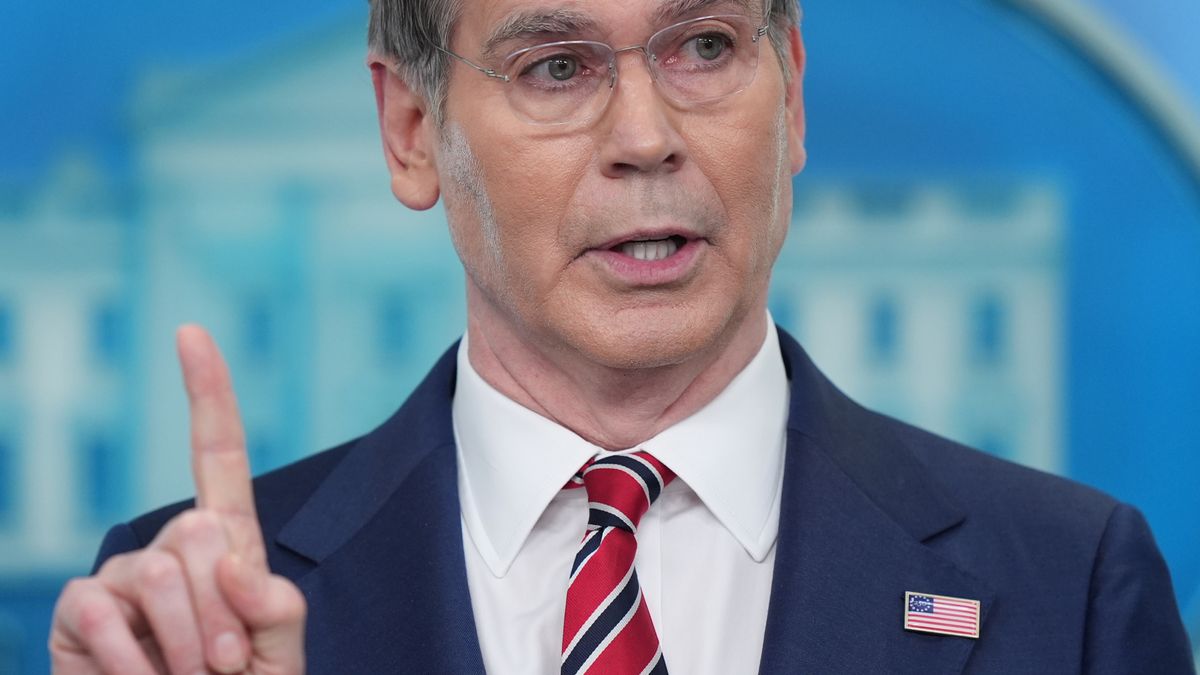
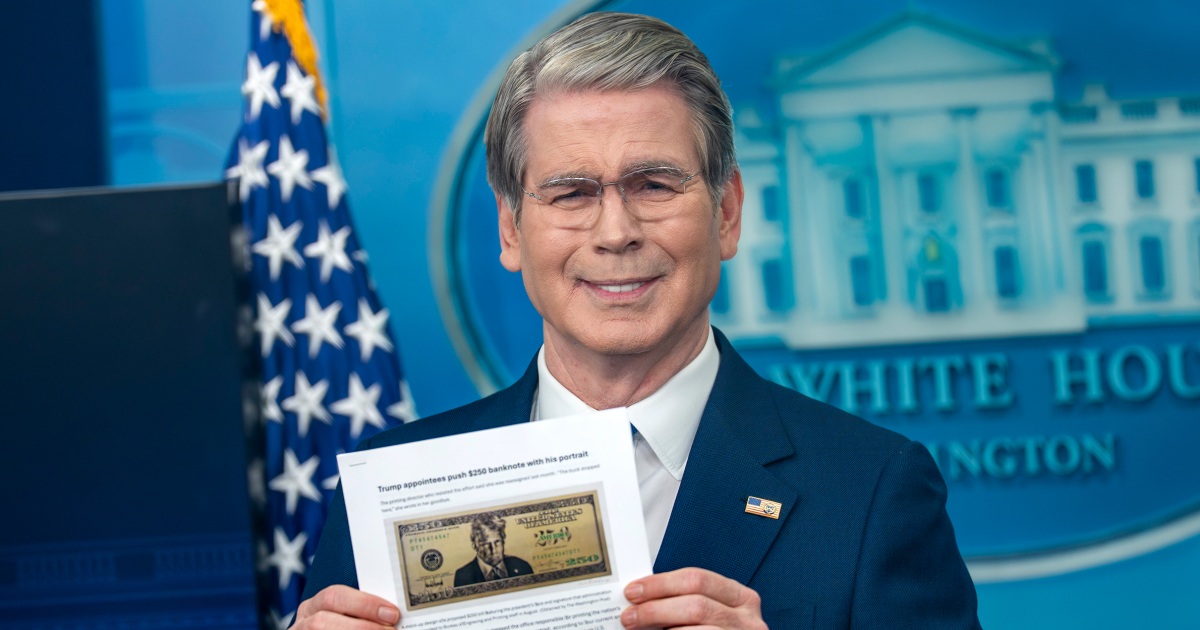
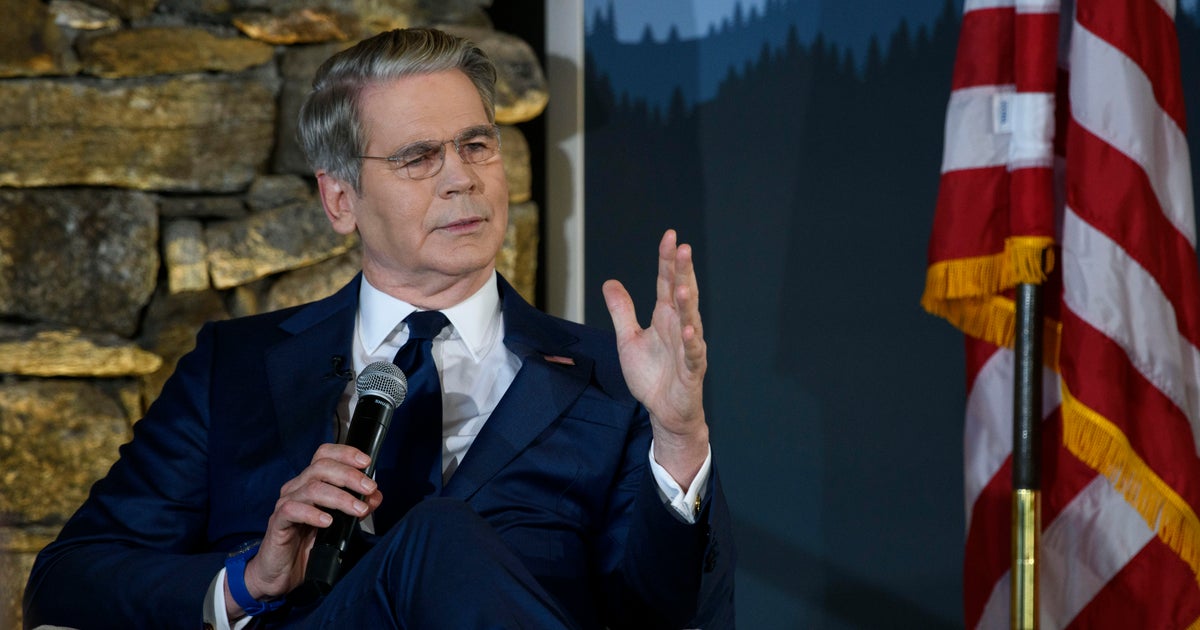
Treasury Secretary Scott Bessent issued a stark warning Wednesday at a White House briefing, declaring that the United States is preparing to hit Iran with economic measures equivalent in severity to the military strikes already carried out in the ongoing conflict — threatening to unleash sweeping secondary sanctions that could sever Iranian oil revenues and punish any country that continues doing business with Tehran.
"We've told companies, we've told countries that if you are buying Iranian oil, if Iranian money is sitting in your banks, we are now willing to apply secondary sanctions," Bessent told reporters in the James S. Brady Press Briefing Room. "That is going to be the financial equivalent of what we saw in the kinetic activities."
The warning came just one day after the Treasury Department sent formal letters to financial institutions in China, Hong Kong, the United Arab Emirates, and Oman — four of Iran's most important economic partners — threatening to impose secondary sanctions if they continued allowing Iranian oil transactions or Iranian funds to flow through their banking systems. The letters represent a significant escalation that would penalize third-party countries and companies, not just Iranian entities directly.
Secondary sanctions are among the most powerful tools in the U.S. economic arsenal because they extend American financial jurisdiction far beyond Iran's borders. Any institution — regardless of nationality — that processes payments for Iranian oil or holds Iranian funds could face being cut off from the U.S. financial system, making it impossible to conduct dollar-denominated transactions globally. For major Chinese banks that rely on access to U.S. correspondent banking networks, that constitutes an existential threat.
The Treasury Department's Office of Foreign Assets Control simultaneously announced sanctions against a sprawling oil smuggling network linked to the late Mohammad Hossein Shamkhani, a former senior Iranian security official. The sanctions targeted more than two dozen individuals, companies, and vessels involved in the covert transport and sale of Iranian and Russian oil, many operating through front companies based in the UAE to obscure the origin of the cargo.
The economic pressure campaign is being positioned by the administration as an alternative to continued military strikes, particularly with the current ceasefire between Israel and Lebanon still in its early stages and broader Iran nuclear talks underway. Senior administration officials told the Associated Press that if the U.S. and Iran are unable to reach a deal in the near term, the economic warfare playbook will intensify substantially.
Bessent separately suggested that lower gasoline prices would be one tangible benefit of a deal, predicting prices could fall closer to $3 per gallon once Iranian oil production resumes freely following any agreement. Iran is the world's seventh-largest oil producer, and its production has been sharply curtailed by existing sanctions. A return of Iranian crude to global markets could significantly affect prices.
Iran's oil sector has been designated by the Trump administration as the primary revenue source for Iran's military and nuclear programs. China has long been the dominant buyer of discounted Iranian crude, largely ignoring previous sanctions designations. Whether Beijing will comply with new secondary sanctions threats — and risk disrupting the flow of discounted energy that has been a strategic boon for its economy — remains the central test of Washington's economic strategy in the weeks ahead.