U.S. Imposes Emergency Entry Restrictions Over Ebola Outbreak as Virus Spreads Across Central Africa
Department of Homeland Security directs all flights carrying certain travelers to arrive at single Virginia airport as health officials scramble to contain outbreak.

The Department of Homeland Security announced emergency entry restrictions for travelers from regions affected by the growing Ebola outbreak in Central Africa, directing all flights carrying certain passengers to arrive exclusively at Dulles International Airport in Virginia. The unprecedented measure comes as health officials worldwide work to prevent the deadly virus from spreading beyond the outbreak zone in the Democratic Republic of Congo and neighboring Uganda.
The restrictions apply to travelers who have visited affected areas within the past 21 days, the maximum incubation period for Ebola virus disease. By funneling these passengers through a single entry point, health authorities hope to implement more thorough screening procedures and ensure rapid medical evaluation for anyone showing symptoms. Dulles International Airport has been equipped with enhanced medical facilities and specialized personnel trained to handle potential Ebola cases.
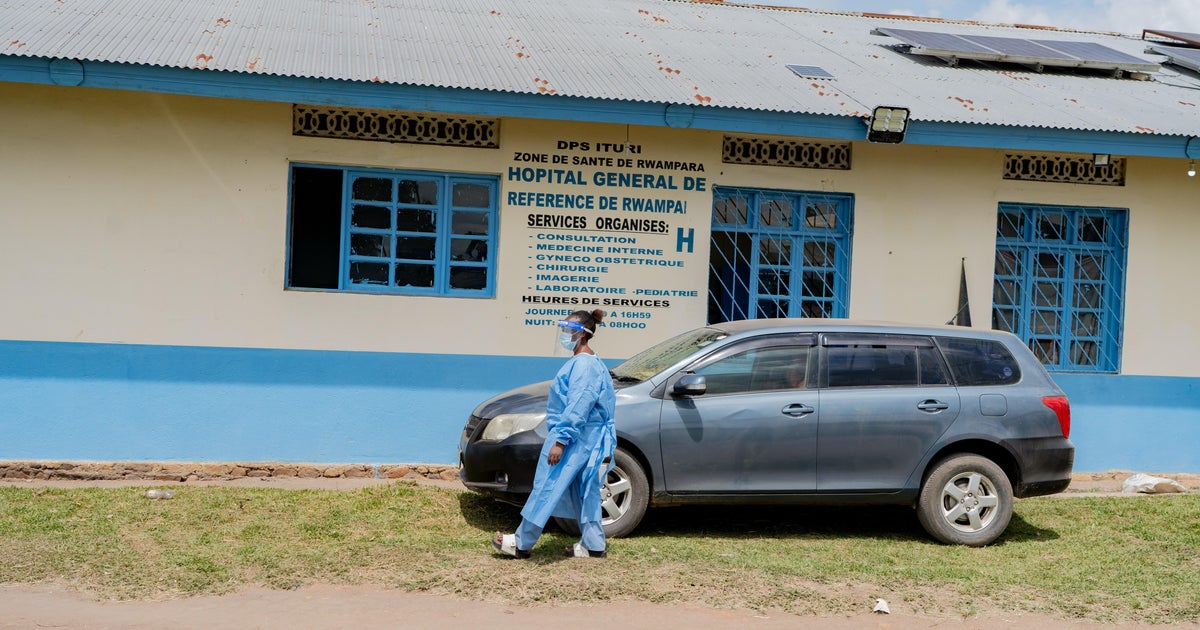
The World Health Organization has declared the outbreak a public health emergency of international concern, with nearly 600 suspected infections and 139 deaths reported in the six days since the emergency declaration. The outbreak initially centered in Congo's northeastern Ituri Province but has since spread to multiple locations, including the major city of Goma and areas controlled by rebel groups. Uganda has already suspended all flights to and from Congo and restricted cross-border travel on ferries and buses.
Health officials are particularly concerned about the outbreak's rapid geographic spread and its emergence in conflict-affected regions where humanitarian access remains limited. The virus appears to have reached South Kivu province, an area controlled by the M23 rebel group, complicating containment efforts and raising fears about the outbreak's potential to cross additional international borders. Laboratory testing has confirmed at least one death in the rebel-controlled territory.
The U.S. entry restrictions represent the most significant travel-related response to an Ebola outbreak since the 2014-2016 West Africa epidemic that killed more than 11,000 people. Federal health officials emphasized that the measures are temporary and designed to protect both American citizens and global public health while supporting international containment efforts. The restrictions will remain in place until the World Health Organization determines the outbreak no longer poses an international threat.