Uganda Suspends All Flights and Border Travel with Congo Over Rapidly Spreading Ebola Outbreak
Health ministry implements emergency restrictions as virus reaches rebel-controlled province, bringing total cases to nearly 600 with 139 deaths.

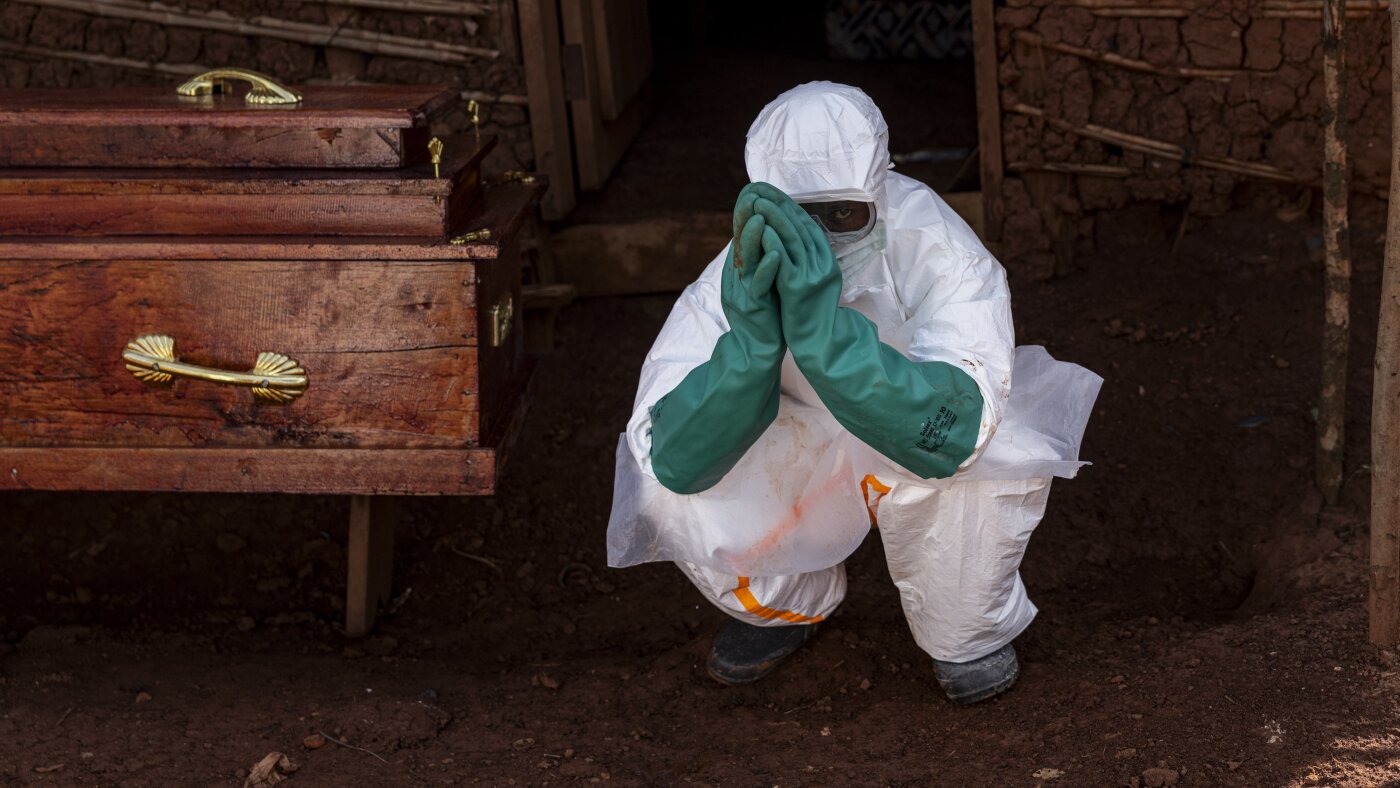
Uganda announced sweeping travel restrictions with the Democratic Republic of Congo on Thursday, suspending all flights and cross-border transportation for four weeks as health officials scramble to contain a rapidly expanding Ebola outbreak that has spread to multiple provinces. The emergency measures come as the World Health Organization reports nearly 600 suspected infections and 139 deaths in just six days since declaring the outbreak a public health emergency of international concern.
Uganda's health ministry said the restrictions will take effect within 48 hours and include a complete suspension of flights to and from Congo, as well as all cross-border travel via ferries, buses, and other public transportation. The ministry also temporarily banned "cultural celebrations and commemorations that attract big numbers of participants along the D.R.C.-Uganda Border," reflecting concerns about large gatherings that could accelerate transmission across the porous frontier.
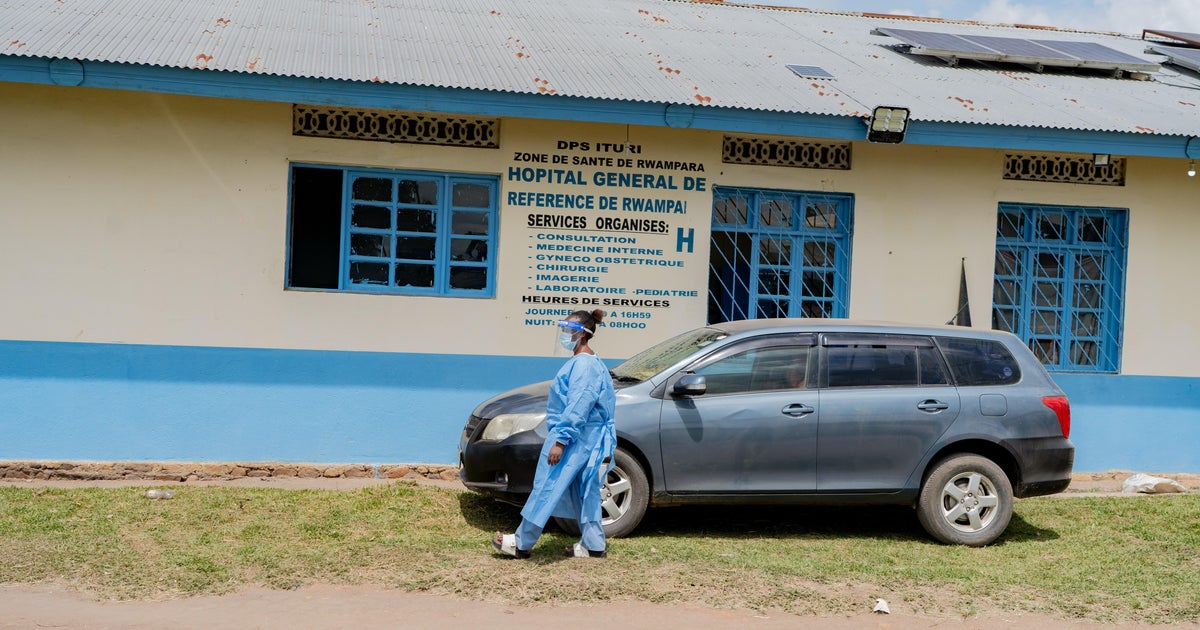
The outbreak initially centered in Congo's northeastern Ituri Province but has since spread approximately 350 miles to Goma, a major city in North Kivu Province. Most alarming for containment efforts, health officials confirmed Thursday that the virus has reached South Kivu province, an area controlled by the M23 rebel group. A 28-year-old person died from Ebola in the rebel-controlled territory, with both M23 and Congo's central government confirming laboratory testing results.
The emergence of cases in conflict-affected regions poses significant challenges for international health teams attempting to track contacts and deliver medical care. Rebel-controlled areas often have limited infrastructure and restricted humanitarian access, making it difficult to implement the isolation and treatment protocols essential for controlling Ebola outbreaks. The M23 group announced the confirmed case through social media, highlighting the fragmented nature of health reporting in the region.
Uganda's decision to implement comprehensive border restrictions reflects lessons learned from previous Ebola outbreaks, including the devastating 2014-2016 West Africa epidemic that killed more than 11,000 people. The current outbreak involves the Bundibugyo strain of Ebola virus, which has a lower fatality rate than some variants but spreads rapidly through person-to-person contact. Health officials emphasize that early aggressive containment measures, while economically disruptive, are essential for preventing the outbreak from reaching major population centers or spreading to additional countries across Central and East Africa.