U.S. Army Tests Soldiers' Survival in Extreme Arctic Conditions as Low as Minus 40 Degrees
Military conducts major cold weather experiment with troops from warm climates to assess combat readiness in harsh northern environments.
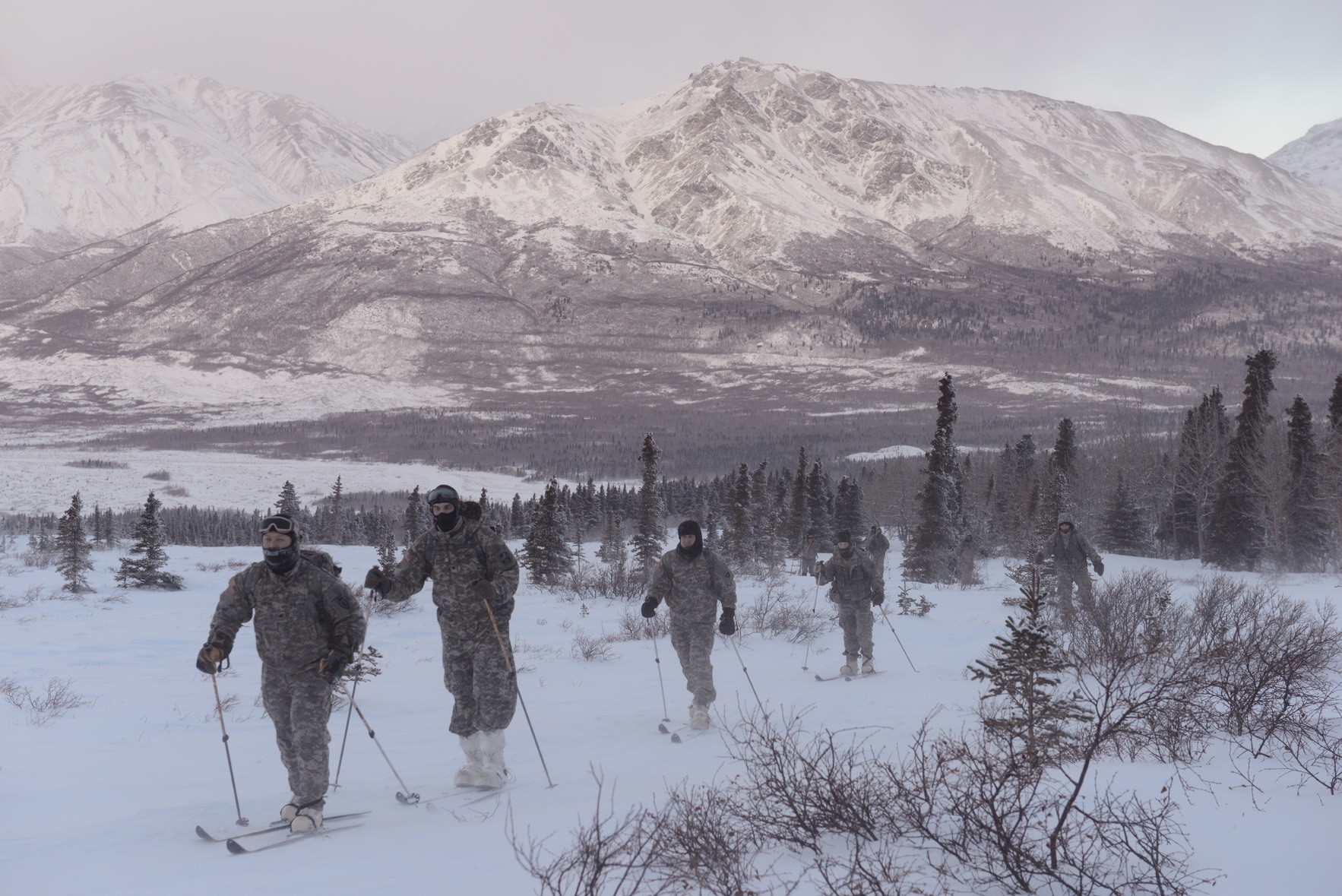
The U.S. Army is conducting an unprecedented "big experiment" to determine how soldiers from warm-weather states like Florida, Texas, and Georgia would perform in Arctic combat conditions with temperatures plunging to minus 40 degrees Fahrenheit. The extensive testing program represents a significant shift in military preparedness as the Pentagon increasingly focuses on potential conflicts in northern regions where extreme cold could be a decisive factor in mission success or failure.
The experimental program has deployed hundreds of soldiers to Alaska and other northern training facilities where they face some of the harshest conditions on Earth. Military officials are closely monitoring how troops from southern states adapt to the brutal cold, testing everything from basic motor functions to complex tactical maneuvers. The research aims to identify training modifications, equipment improvements, and personnel selection criteria that could improve performance in Arctic warfare scenarios.
Preliminary results have revealed significant challenges that go beyond simply staying warm. Soldiers from warmer climates showed decreased reaction times, impaired decision-making abilities, and reduced physical coordination when exposed to extreme cold for extended periods. Weapon systems also experienced reliability issues, with some firearms failing to function properly in sub-zero temperatures. These findings have prompted military leaders to reconsider standard equipment packages and training protocols for cold-weather deployments.
The timing of the Arctic experiment reflects growing Pentagon concerns about potential conflicts in northern regions, particularly as climate change opens new strategic corridors in the Arctic Circle. Russia and China have both expanded their military presence in these areas, prompting U.S. commanders to prepare for scenarios where American forces might need to operate in conditions far removed from traditional desert and temperate combat zones. The research will inform decisions about base locations, troop rotation schedules, and specialized equipment procurement.
Beyond the immediate military applications, the study is generating valuable data about human performance in extreme environments. Medical personnel are tracking everything from caloric requirements to sleep patterns, building a comprehensive picture of how prolonged cold exposure affects combat effectiveness. The results will likely influence military doctrine for years to come, potentially reshaping how the Army selects and prepares personnel for deployment to the world's most challenging climates.