U.S. Intelligence Says Putin Could Hit a NATO Country Between This Fall and 2029 — and Poland and the Baltics Are the Likely Targets
A new assessment reported by The Wall Street Journal concludes the Kremlin's goal would be to fracture the alliance, not seize territory. A full ground invasion is judged the least likely option because it would plainly trigger Article 5.
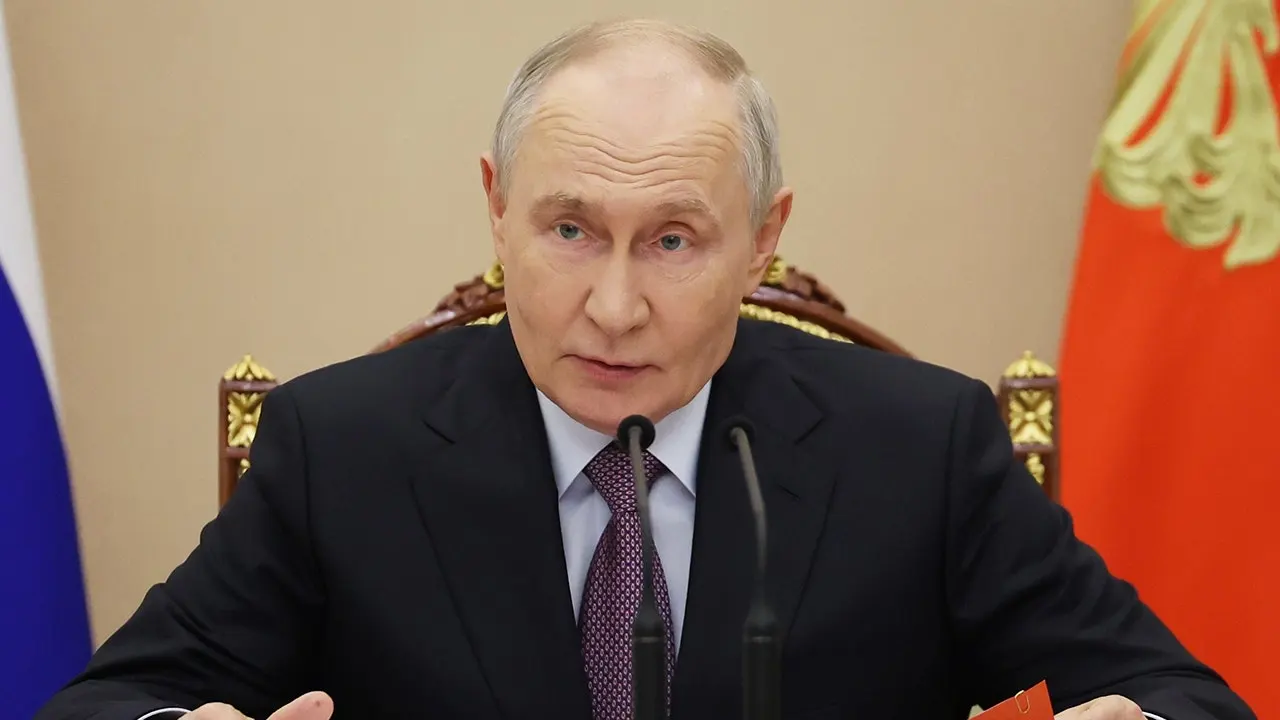
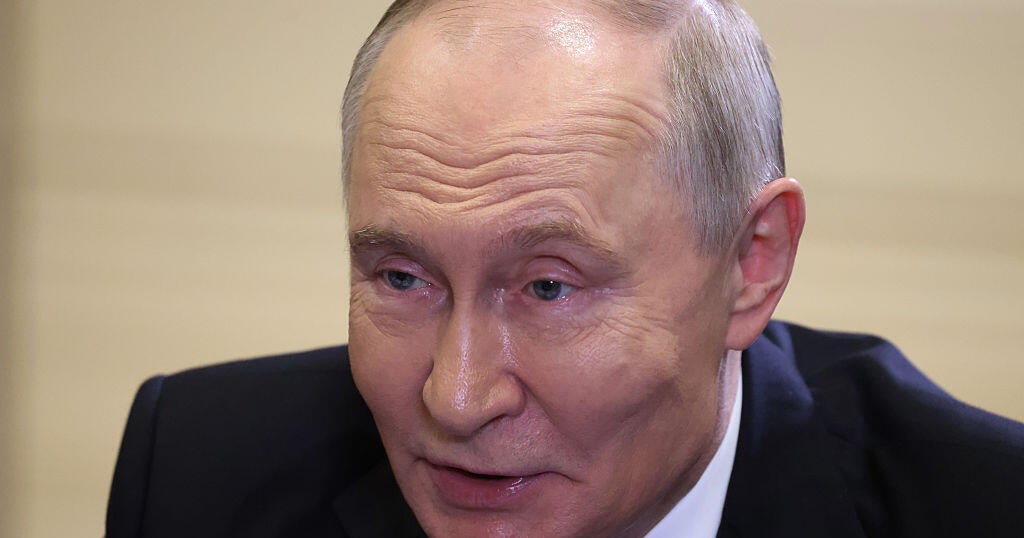
American intelligence agencies have concluded that Vladimir Putin could order an attack on a NATO member state at some point between this autumn and 2029, a deliberately limited strike designed to test whether the alliance would actually honor its mutual-defense pledge, according to an assessment first reported by The Wall Street Journal and confirmed in subsequent reporting on Friday.
The assessment does not predict an invasion. Its central judgment is close to the opposite: that a large-scale Russian ground offensive against a NATO country is the least likely scenario precisely because it would so obviously trigger Article 5, the clause binding all 32 members to treat an attack on one as an attack on all. What analysts describe instead is a menu of smaller, deliberately ambiguous options — a major cyberattack, sabotage of infrastructure, covert operations run through unidentified armed groups, or a small incursion across a border — each calibrated to sit in the gray zone where the alliance's obligations are contested rather than automatic.
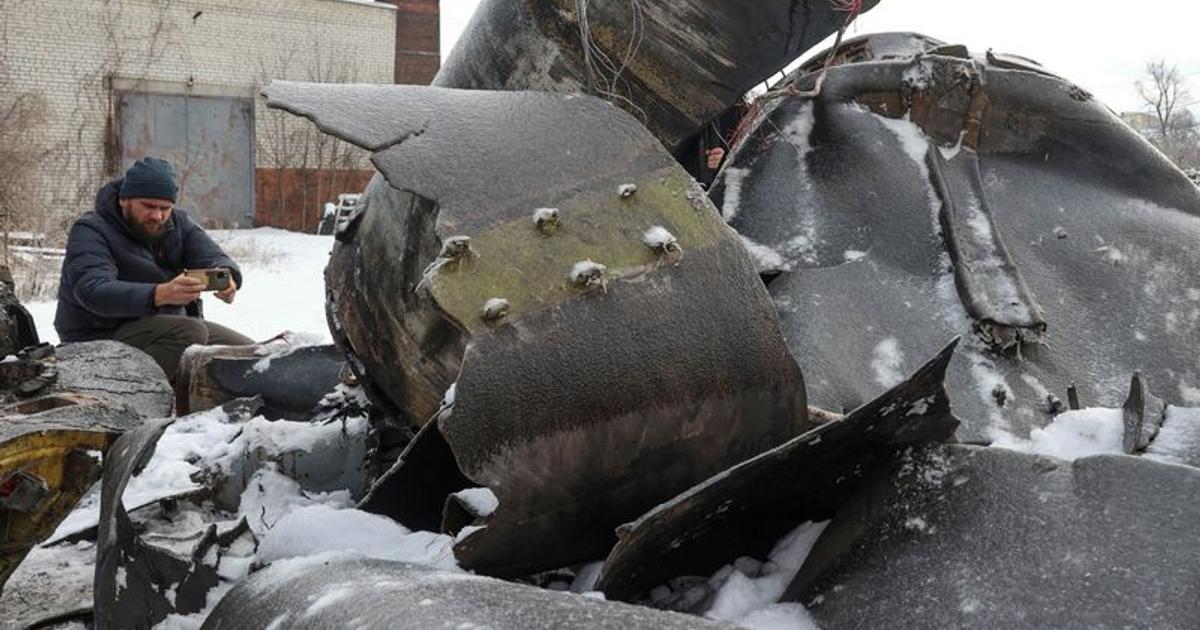
Poland and the Baltic states of Estonia, Latvia and Lithuania are identified as the most probable targets. Analysts point to a pattern of incidents already on the record: a Russian drone that struck an apartment building in Romania in May, and cruise missiles that came down inside Poland in July. Each fell short of the threshold that would have forced a collective military response, and each produced a different answer from a different capital about what should happen next — which, in the logic of the assessment, is the point.
"The question mark is how the United States would respond," said Heather Conley, a senior fellow at the American Enterprise Institute, who noted that separating Washington from its European allies has been a durable Russian objective for decades. The assessment reflects a shift from earlier judgments, which held that Putin would avoid provoking NATO while his forces remained committed in Ukraine. Analysts now assess that mounting military and economic strain inside Russia has made riskier behavior more plausible, not less — a leader with fewer good options being more willing to gamble, rather than a leader with momentum pressing an advantage.
The finding lands in the middle of an already unsettled week for the alliance. The Senate this week took up sanctions legislation aimed at Russia's energy customers, and European governments have spent the summer arguing over air-defense stocks that Ukraine says have run down sharply. Chief Pentagon spokesman Sean Parnell pushed back on separate reporting about depleted American munitions inventories, saying, "We have everything required to strike at the time and place of the President's choosing."
What the assessment does not resolve is the question underneath it. Article 5 has been invoked exactly once in NATO's history, by the United States after September 11. It has never been tested by an attack that a member state could plausibly describe as something less than war — which is the scenario intelligence analysts now say Moscow is most likely to attempt.