Trump's Memphis Anti-Crime Task Force Has Quietly Become an Immigration Crackdown, Arrest Data Shows
Federal officials never named immigration enforcement as a goal when the Memphis Safe Task Force launched. Ten months in, immigration arrests are up sixfold and most of those taken in had no criminal convictions.
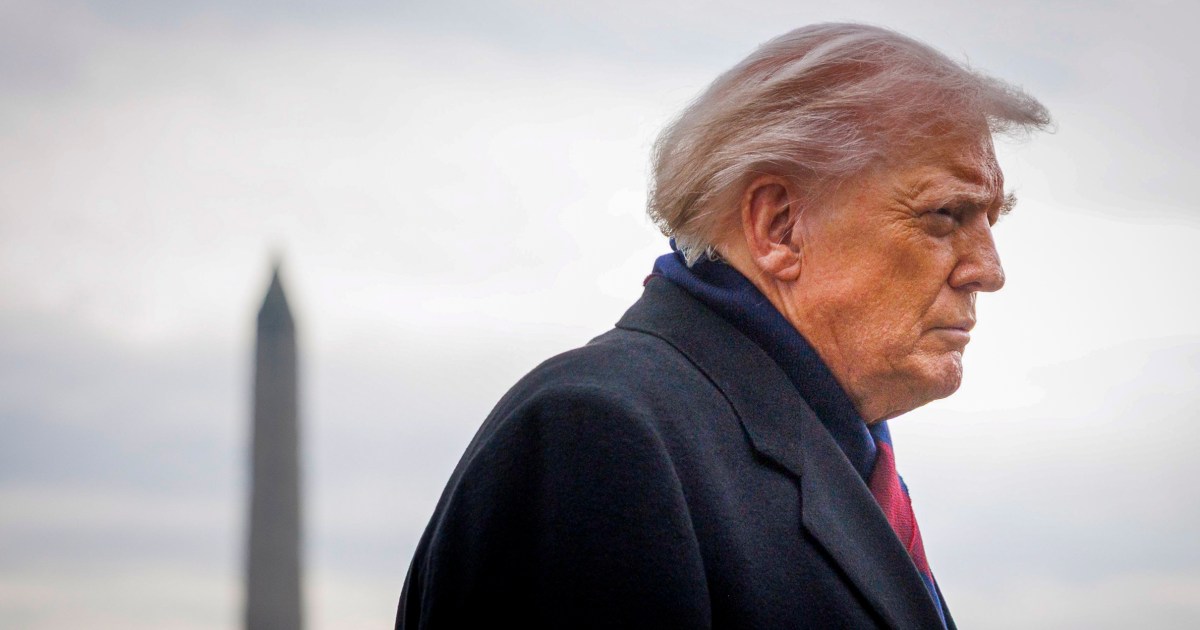
When President Donald Trump and Gov. Bill Lee announced the Memphis Safe Task Force in the fall of 2025, they framed it as a strike force aimed at violent crime. Trump called it a "replica" of the anti-crime operation running in Washington, D.C., and said it would focus on "dangerous career criminals." Neither federal nor local officials mentioned immigration enforcement as a goal. Ten months later, an analysis of arrest data by the Institute for Public Service Reporting found that immigration arrests in the city rose sixfold in the task force's first months, and that a majority of the people taken into custody had no criminal convictions at all.
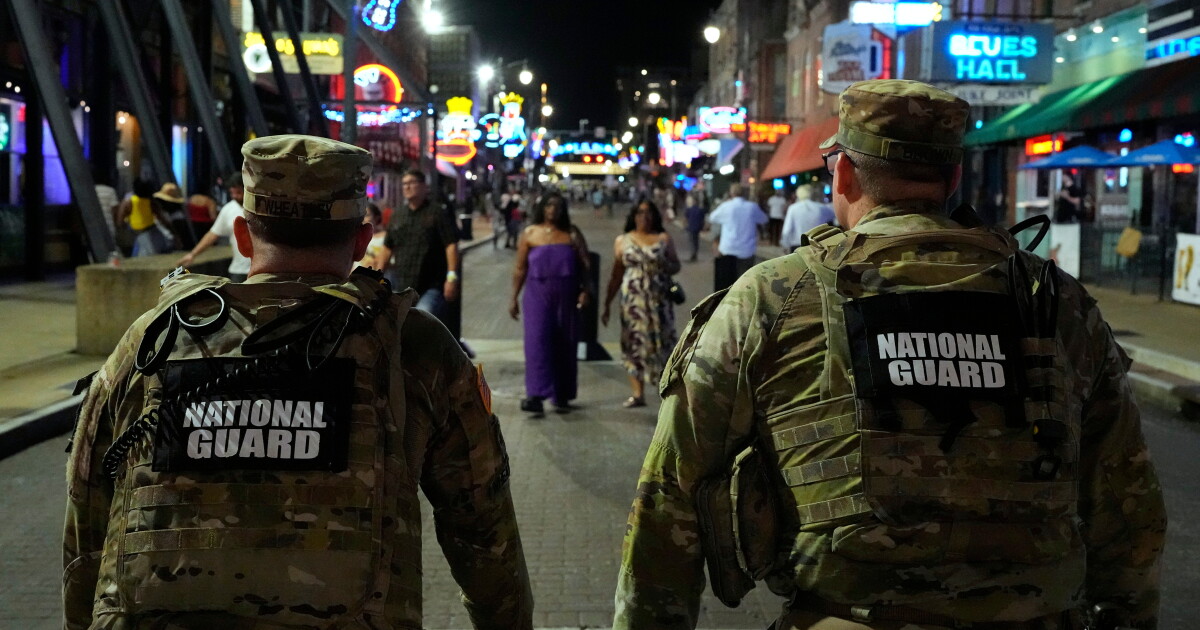
The operation is unusually large for a single American city. More than a dozen federal agencies are involved, led by the U.S. Marshals Service and including U.S. Immigration and Customs Enforcement, working alongside hundreds of Tennessee National Guard members and state and local police. The task force does not publicly release its full arrest numbers. The City of Memphis maintained a dashboard that initially tracked immigration arrests, then removed those figures.
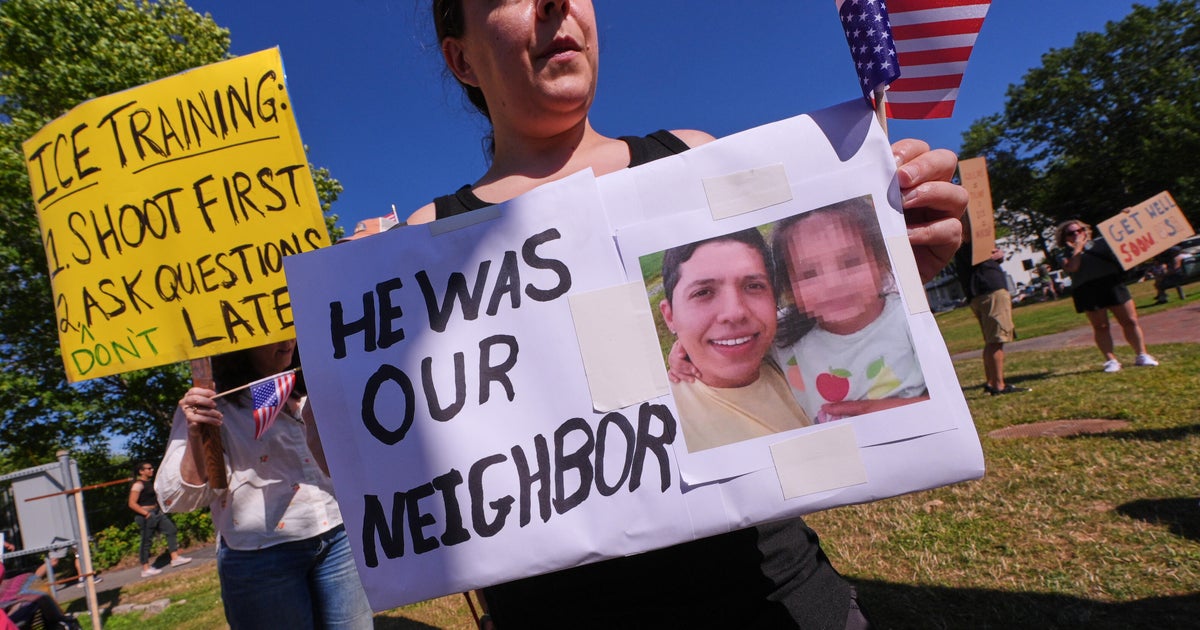
The turn toward immigration was not subtle to the people living it. White House adviser Stephen Miller visited Memphis in October 2025 and, according to accounts of the trip, told agents, "You are unleashed." Families in the city's two main Hispanic neighborhoods describe selective traffic stops. Mauricio Calvo of Latino Memphis said the effect was immediate: "There was a spike of fear and panic. Kids were not going to school, people were not showing up to work." A local hotline saw call volume so heavy that four people were fielding calls simultaneously through the night for months.
Immigrants make up roughly 10 percent of the Memphis population and are the city's fastest-growing demographic group, according to Census data, drawn primarily from Hispanic and Haitian communities. Advocates argue the enforcement surge has fallen on them regardless of any criminal record. "This isn't necessarily about finding the worst of the worst or fixing crime. It's about targeting Black and brown folk," said community organizer Hunter Demster. Chioma Chukwu of the watchdog group American Oversight put it more broadly: "All roads lead to immigration enforcement with this administration."
One case has become a reference point. Yasser Jose Lopez Soza, 18, who was brought to the United States as a child from Nicaragua, was detained in February and held for 63 days without bond. A U.S. district court judge found that his arrest and detention violated due process. He was released and is now applying for asylum.
The crime rationale is complicated by the underlying numbers. Memphis crime had already fallen to a 25-year low before the task force arrived, having declined steadily since a 2023 peak, and it has continued to fall since. The vast majority of task force arrests have been for nonviolent offenses. Trump visited in March and declared the effort a success. Lee has said, "What has happened here has created a generational change." Mayor Paul Young has described the limits of his own position: "My goal is to make sure that I can control what I can control. And there's no mayor in America that can control the immigration aspects of this."