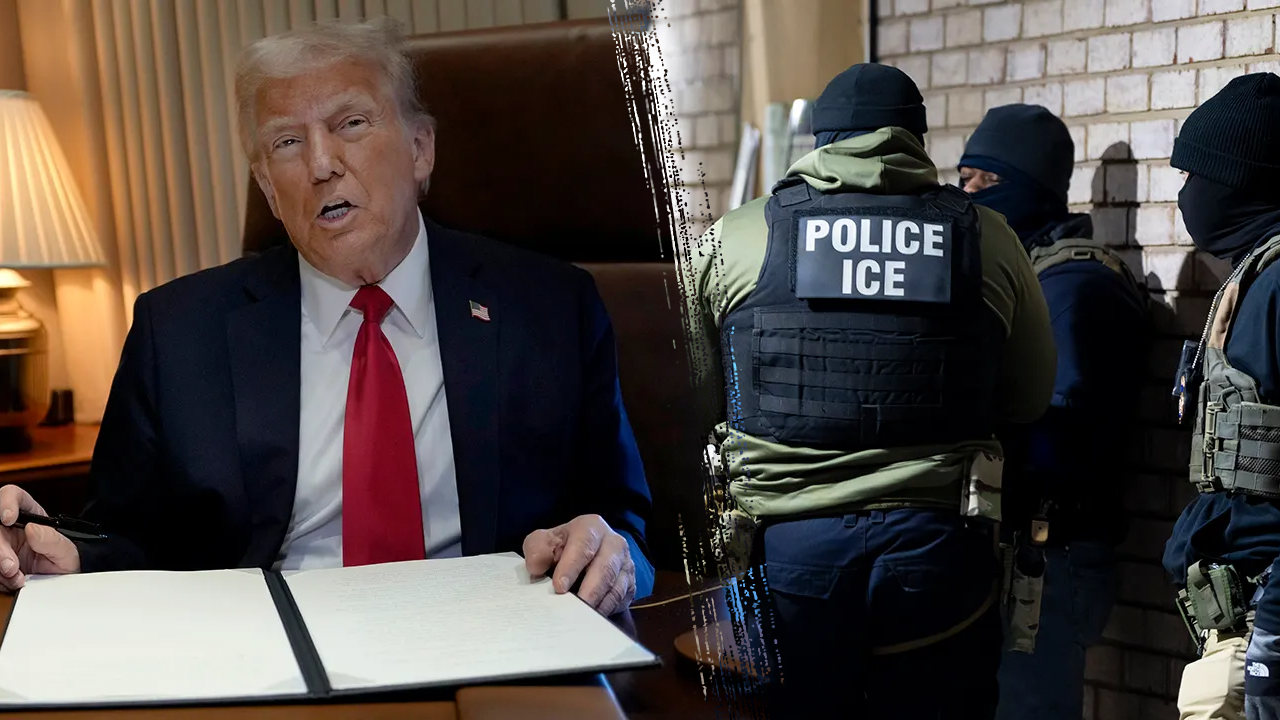
Tennessee Passes Sweeping Immigration Bills Coordinated with White House
Republican supermajority approves series of immigration measures crafted in coordination with Trump administration.
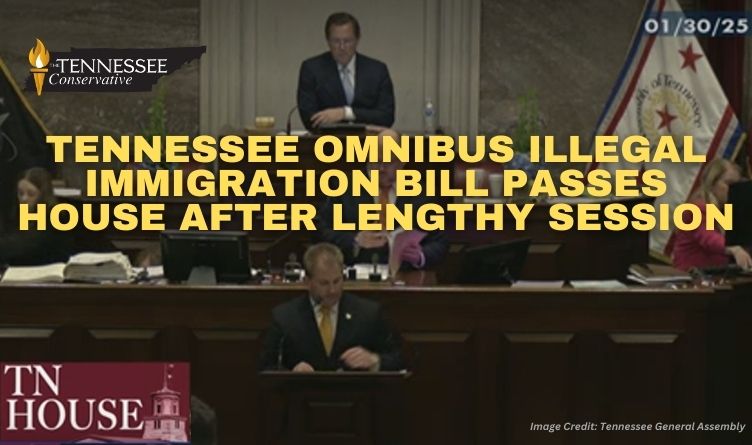
The Tennessee General Assembly has approved a comprehensive slate of immigration bills designed in coordination with the Trump White House, marking a significant expansion of state-level immigration enforcement across the South. The Republican supermajority in Nashville moved quickly to pass the legislation, which represents part of a broader nationwide strategy to implement immigration restrictions at the state level. The bills, crafted with direct input from federal officials, signal a new phase of cooperation between state governments and the Trump administration on immigration policy.
The legislation addresses multiple aspects of immigration enforcement, from employment verification requirements to cooperation with federal immigration authorities. Tennessee joins a growing number of Republican-controlled states that have enacted similar measures since Trump's return to office, creating a patchwork of state-level immigration laws across the country. The bills were developed through direct consultation with Trump administration officials, ensuring alignment with federal immigration priorities and avoiding potential conflicts between state and federal enforcement efforts.
Republican lawmakers in Tennessee argued that the measures were necessary to address what they described as insufficient federal enforcement of immigration laws in recent years. State Representative sponsors of the legislation emphasized that Tennessee must take action to protect its citizens and ensure proper enforcement of immigration statutes. The bills received strong support from law enforcement organizations within the state, who argued that clearer state-level guidance would improve coordination with federal agencies.
Democratic legislators and immigrant advocacy groups strongly opposed the legislation, arguing that it would create a climate of fear in immigrant communities and potentially lead to civil rights violations. Critics raised concerns about the bills' impact on due process protections and warned that overly broad enforcement measures could affect legal immigrants and U.S. citizens. Several civil rights organizations indicated they would challenge aspects of the legislation in federal court, setting up potential constitutional battles over the scope of state immigration enforcement authority.
The Tennessee legislation reflects a broader Republican strategy to implement immigration restrictions at multiple levels of government. Similar bills are being considered in other GOP-controlled state legislatures, creating what supporters describe as a comprehensive approach to immigration enforcement. The coordination with the White House ensures consistency in implementation and reduces the likelihood of conflicts between state and federal authorities. However, the patchwork of different state laws may create complications for businesses operating across state lines and could lead to a complex legal landscape for immigration enforcement throughout the country.