Trump and Defense Secretary Broadcast U.S. Military Operations Before They Happen
Military commanders express concern over unprecedented practice of publicly discussing future operations that could jeopardize mission success.

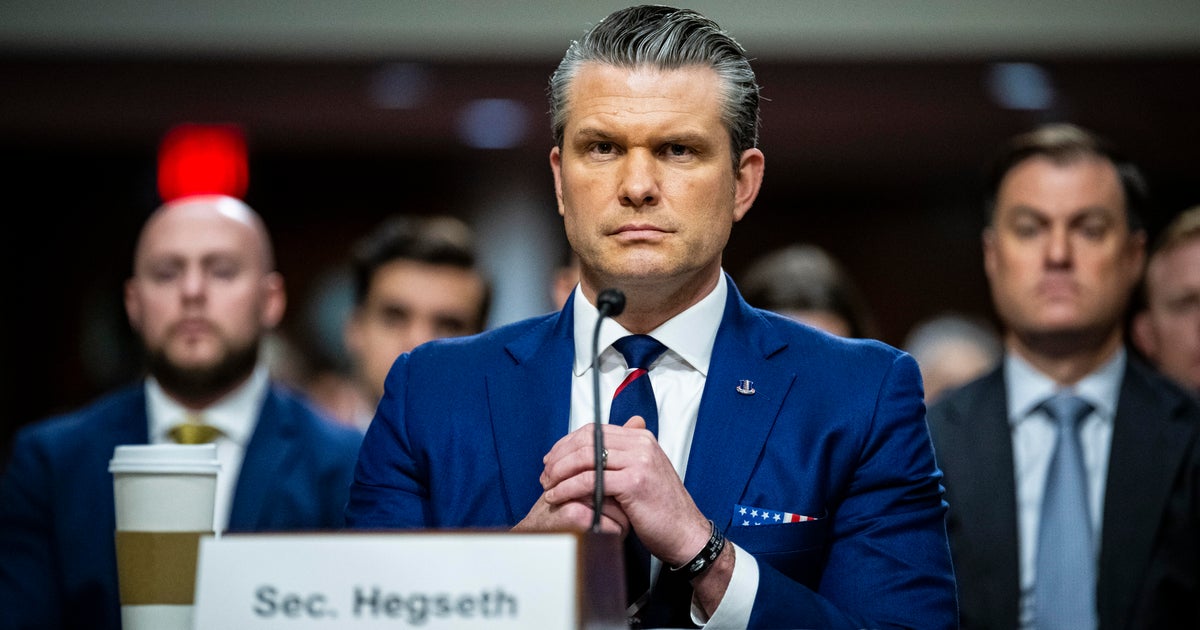
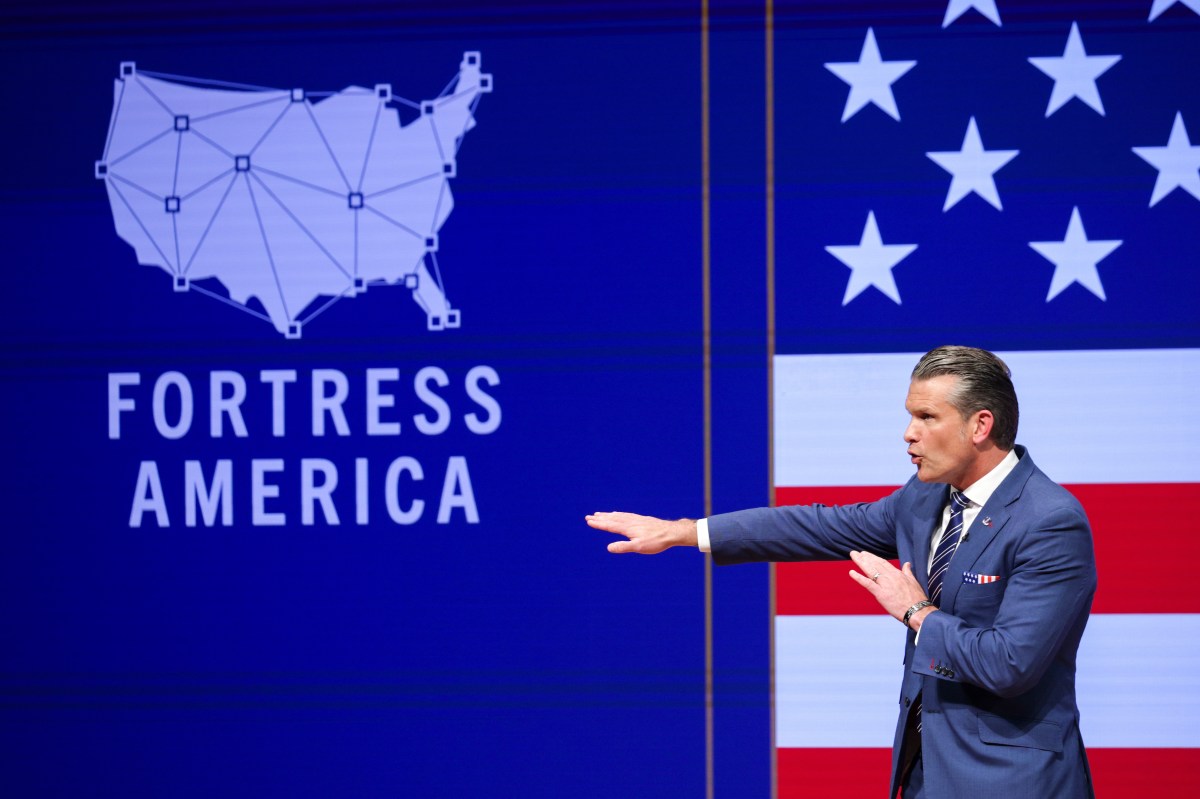
President Trump and Defense Secretary Pete Hegseth have begun the unprecedented practice of broadcasting details about planned U.S. military strikes before they occur, breaking with decades of operational security protocols that military commanders say are designed to protect American forces and ensure mission success. The unusual approach has raised alarm among defense officials who warn that revealing operational details in advance could compromise the effectiveness of military operations and endanger personnel.
Traditional military doctrine emphasizes the importance of operational security, particularly when it comes to timing, targets, and tactical approaches for combat missions. Commanders typically avoid discussing future operations publicly to prevent enemy forces from taking defensive measures, relocating assets, or preparing countermeasures that could reduce the likelihood of mission success or increase casualties among American forces.
The decision to publicly preview military strikes represents a significant departure from standard practice across both Republican and Democratic administrations. Defense officials, speaking on condition of anonymity, have expressed frustration with the new approach, arguing that it undermines basic principles of military planning and puts unnecessary risks on service members who must carry out the operations under compromised conditions.
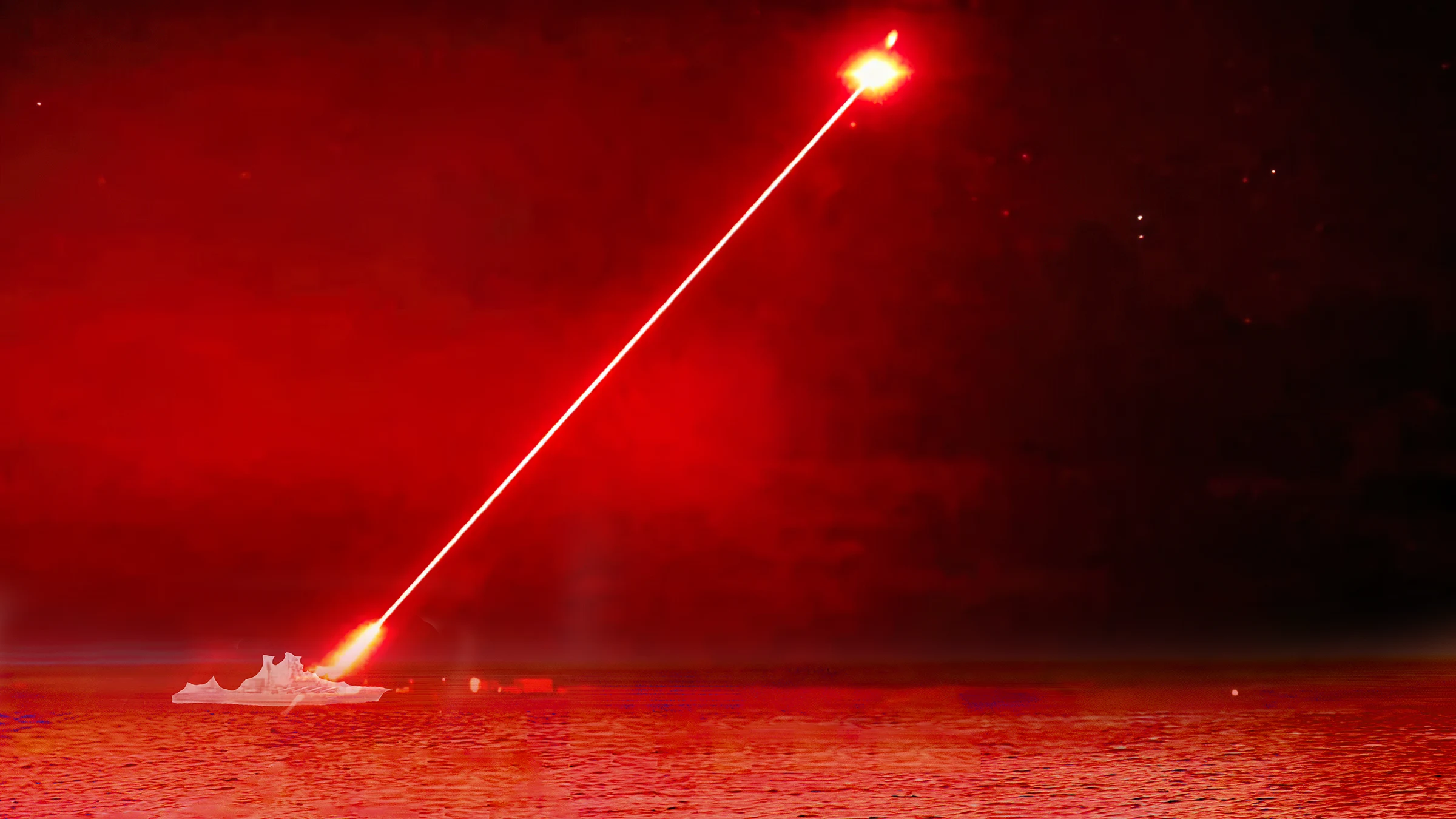
The public disclosure of military plans has coincided with the ongoing conflict with Iran, where American forces have conducted multiple strikes in recent days. Military analysts suggest that telegraphing these operations in advance could allow Iranian forces to reposition equipment, prepare defensive measures, or evacuate personnel from potential target areas, potentially reducing the strategic impact of American military action.
The practice has drawn criticism from former military officials and defense policy experts who argue that operational security exists to protect American interests and personnel rather than to hide information from the public unnecessarily. They warn that continuing to broadcast military operations in advance could establish a dangerous precedent that future adversaries might exploit to their advantage in conflicts with the United States.