F.A.A. Says Military Can Use Anti-Drone Lasers in U.S. Airspace
An interagency dispute over high-energy laser weapons near airports led the Federal Aviation Administration to temporarily close Texas airspace twice this year.
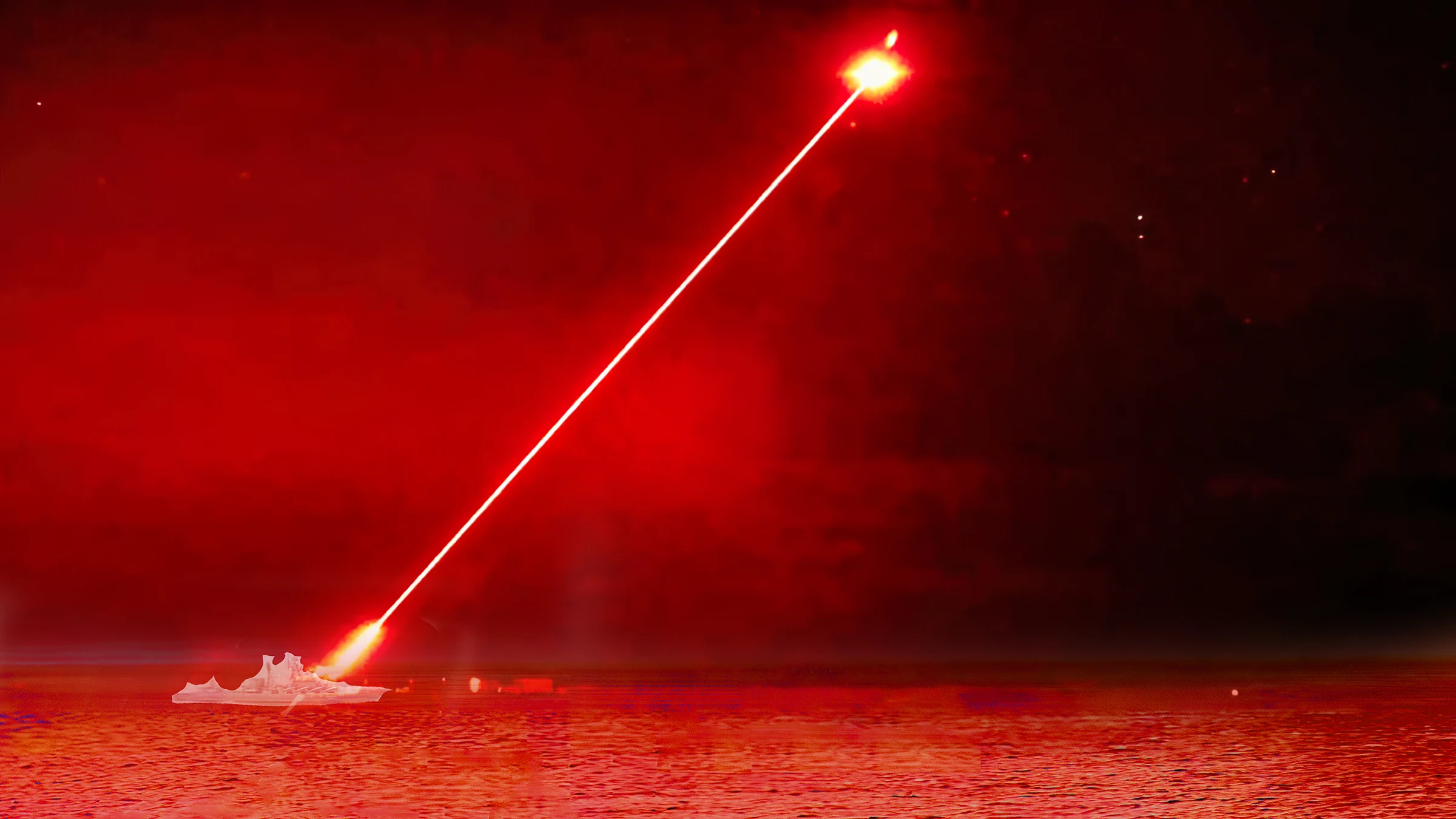
The Federal Aviation Administration has authorized the U.S. military to deploy high-energy laser systems designed to counter drone threats within domestic airspace, following resolution of an interagency dispute that previously led to temporary airspace closures in Texas. The decision comes as military officials increasingly seek to test and deploy anti-drone technologies in response to growing security concerns about unmanned aircraft systems near critical infrastructure and military installations.
The authorization follows at least two incidents this year in which disagreements between federal agencies over laser weapon testing forced the FAA to temporarily close airspace over Texas. These closures highlighted the complex regulatory challenges posed by emerging military technologies that must operate in the same airspace used by commercial and civilian aircraft. The laser systems in question use concentrated energy beams to disable or destroy small drones that might pose security threats to sensitive facilities.
FAA officials worked closely with Department of Defense representatives to establish safety protocols that would allow laser testing and deployment while maintaining aviation safety standards. The agreement includes specific operational parameters for when and how these weapons can be used, particularly in areas near airports and established flight corridors. The protocols also address pilot notification procedures and coordination requirements between military operators and civilian air traffic control.
The growing drone threat has prompted increased cooperation between military and civilian aviation authorities as unmanned systems become more sophisticated and accessible. Recent incidents involving drones near airports, military bases, and government facilities have demonstrated the need for effective countermeasures that can quickly neutralize potential threats without endangering legitimate aircraft operations. High-energy lasers represent one of the most promising technologies for this purpose due to their precision and rapid engagement capabilities.
The FAA's decision reflects broader policy discussions about integrating military technologies into civilian airspace as security threats evolve. Officials emphasize that the laser authorization includes strict safeguards to prevent interference with commercial aviation while allowing military forces to respond effectively to drone threats. The precedent established in Texas is expected to inform similar deployments at military installations and critical infrastructure sites across the country as anti-drone technologies continue to advance.

.jpg/132px-Glenn_Robinson_2003_(cropped).jpg)