Appeals Court Rules Trump's Transgender Troop Ban Unconstitutional, Driven by 'Animus'
In a 2-1 decision, the D.C. Circuit said the Pentagon policy illegally removed serving transgender members. Defense Secretary Pete Hegseth vowed to appeal: 'See you at SCOTUS.'
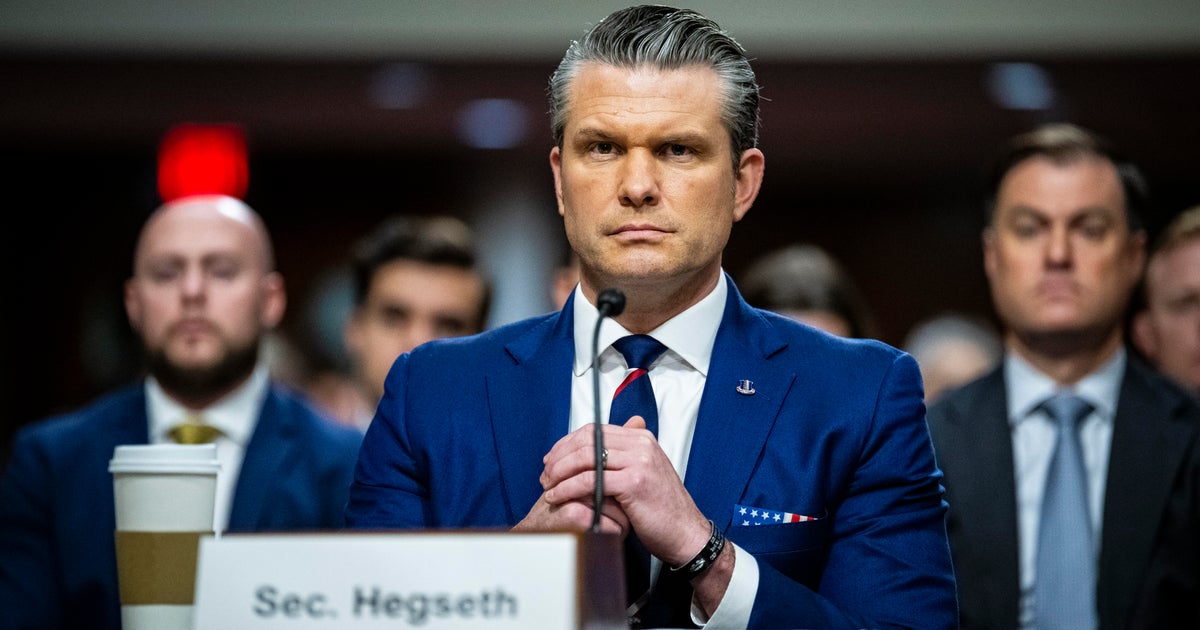
A federal appeals court ruled that the Trump administration's policy barring transgender people from military service is likely unconstitutional, declaring that it 'appears to be driven by the bare desire to harm a politically unpopular group.' The decision is a significant setback for the Pentagon's effort to purge transgender troops from the ranks.
In a 2-1 ruling, a panel of the U.S. Court of Appeals for the D.C. Circuit affirmed a lower court's order blocking the Department of Defense from removing current service members on the basis of their gender dysphoria. Writing for the majority, Judge Robert Wilkins said the policy crafted under Defense Secretary Pete Hegseth was 'both arbitrary and based upon animus, and for those reasons the Policy violates Plaintiff-Appellees' constitutional right to equal protection of the law.'
The court was careful to limit the scope of its decision. The ruling applies only to the transgender service members who sued the administration, and it does not prevent the Pentagon from blocking transgender people from newly enlisting in the armed forces. That distinction leaves in place restrictions on recruits even as it shields those already serving from involuntary separation.
Judge Justin Walker, the only member of the three-judge panel appointed by a Republican president, dissented. He argued that the military operates under a different constitutional framework than civilian society and that service members can be deprived of certain rights guaranteed to civilians in order to preserve good order and discipline. The split underscored the deep legal and ideological divide over how courts should weigh claims of discrimination against the executive branch's authority over the armed forces.
Hegseth responded defiantly on social media, writing simply, 'See you at SCOTUS,' signaling the administration intends to ask the Supreme Court to intervene. The justices have already shown a willingness to let the policy take partial effect while litigation continues, and a renewed appeal would tee up another high-stakes test of transgender rights before a conservative-leaning court. For the thousands of transgender troops currently serving, the ruling offered at least temporary reassurance that they cannot be forced out while the legal fight plays out.
The fight has already reached the nation's highest court once. Earlier in the litigation, the Supreme Court permitted the administration to begin enforcing aspects of the policy while challenges proceeded, a sign of how the justices might ultimately rule. Thousands of transgender troops serve across the U.S. armed forces, and advocacy groups argued that forcing out experienced service members would damage readiness and punish people who had volunteered and qualified for duty. Tuesday's decision keeps those troops in uniform for now, but it sets the stage for another Supreme Court confrontation that could define the limits of military deference and equal-protection law.

.jpg/132px-Glenn_Robinson_2003_(cropped).jpg)