The Senate Farm Bill Died 10-11 in Committee Over a Fight About Which States Miscount Food Stamps
Republicans wanted a one-year delay before states start paying part of the SNAP bill. Democrats wanted two. Two Republican senators were absent, and the current farm law expires September 30.

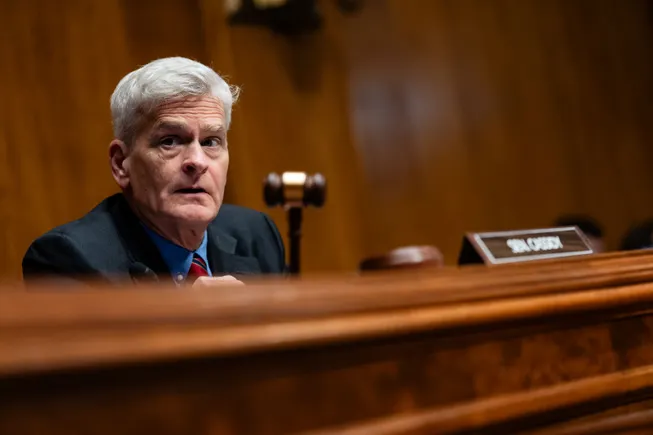
The Senate Agriculture Committee failed to advance its farm bill on Thursday, deadlocking 10-11 along party lines and leaving the country's central agriculture and nutrition law stranded in committee with seven weeks until the current extension expires.
The dispute that sank it was narrow and technical, which is part of why it proved so hard to bridge. Under a change enacted last year, states will for the first time be required to pay between 5% and 20% of SNAP benefit costs, with the share tied to each state's payment error rate — the frequency with which a state miscalculates a household's benefit, in either direction. Republicans on the committee offered a one-year delay before those cost-sharing requirements kick in. Democrats held out for two years, and objected to language they said would exempt the states with the very highest error rates from the penalty entirely.
"This is not about SNAP recipients," said Chairman John Boozman, the Arkansas Republican. "This is about the states with very, very high error rates." Sen. Deb Fischer of Nebraska called the Democratic rejection of the compromise "disgraceful," saying it turned its back on rural America. Sen. Amy Klobuchar of Minnesota argued that a single-year fix was inadequate given what she described as tariff-driven increases in grocery prices, and that states needed more runway before absorbing a new cost.
The arithmetic made the outcome worse for Republicans than the party split suggested. Sens. Mitch McConnell of Kentucky — discharged this week from a rehabilitation facility after a fall — and Tommy Tuberville of Alabama were both absent, leaving the majority with only 10 votes on the roll call. Had either been present, the bill would have moved.
Casualties of the stall extend well past nutrition policy. The package carried E15 ethanol legislation long sought by Midwestern corn growers, conservation program funding, and the commodity support programs that underpin crop insurance and price floors for row-crop farmers. Agricultural trade groups, including the Texas Farm Bureau, issued statements expressing disappointment within hours of the vote.
Boozman said he intends to hold another vote when the Senate returns from its late-summer recess in September. That leaves an exceptionally compressed calendar. The Agriculture Improvement Act of 2018 — the last farm bill Congress actually passed — is now in the third consecutive year of an extension, and that extension lapses September 30. The House approved its own version in April and would still need to reconcile with whatever the Senate eventually produces before anything reaches the president's desk. If September produces another deadlock, the most likely outcome is a fourth extension of a law written eight years ago.