Prosecutors Sue to Stop Treasury From Deleting 15 Million Company Ownership Records
Two Democratic district attorneys say the rollback of the Corporate Transparency Act began with an Elon Musk post on X and will make shell companies easier for criminals to use.
Two local prosecutors sued the Trump administration on Thursday to stop it from erasing roughly 15 million company ownership records it has already collected under a federal disclosure law, CBS News has learned. The suit, filed in federal court in Washington, D.C., challenges the Treasury Department's decision to exempt American companies from the Corporate Transparency Act and to let foreign companies leave out their American owners.
The plaintiffs are Mary Moriarty, the top prosecutor in Hennepin County, Minnesota, and Laura Conover, the top prosecutor in Pima County, Arizona. Both are Democrats. They say the ownership records would help their offices pursue cartel money laundering, wage theft, fraud and organized retail theft carried out through shell companies. The complaint also names Attorney General Todd Blanche and Homeland Security Secretary Markwayne Mullin, whose departments had to sign off on the exemptions.
The lawsuit argues that deleting the records would make it "easier than ever for criminals to use shell and front companies for illicit activities and evade detection." It adds that "because law enforcement cannot know in advance which companies will warrant scrutiny, the value of beneficial-ownership reporting lies in collecting that information before the need for it arises."
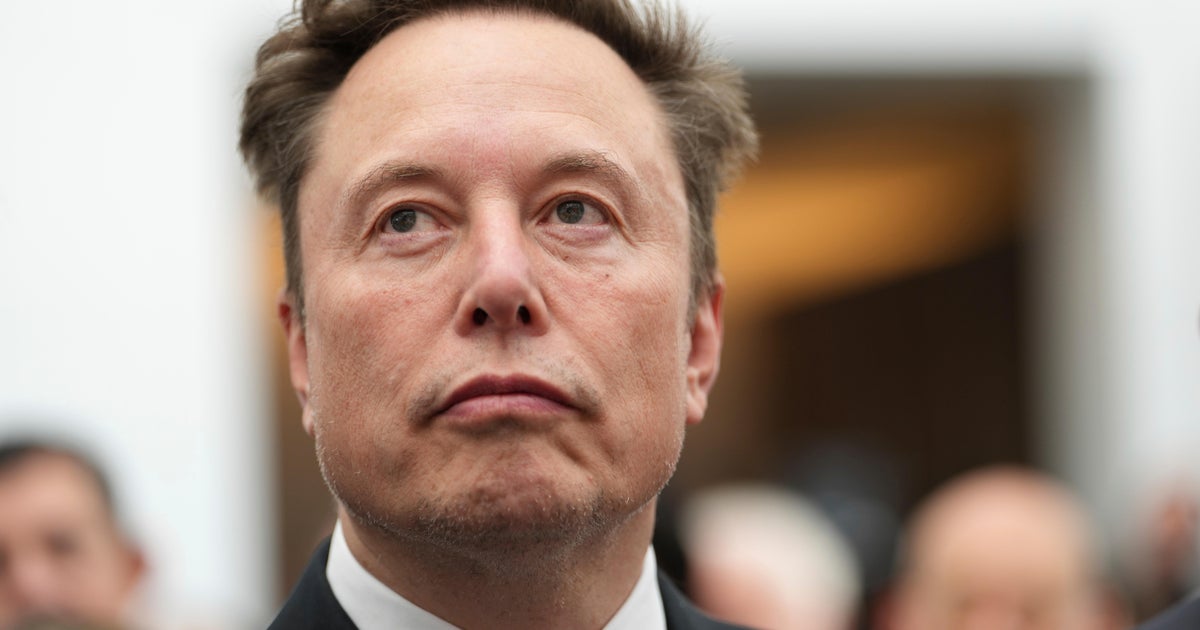
The complaint leans on a social media exchange from March 2025. A conservative comedian named Terrence K. Williams posted on X, Elon Musk's platform, asking Musk to get the president to scrap a "ridiculous" rule that forced companies to disclose their true owners. "I'm begging you!" Williams wrote. "It's targeting conservatives and small businesses!" Musk replied, "I can look into it." A day later, the Treasury Department announced on X that it would no longer enforce penalties or fines against U.S. citizens, domestic companies or their owners under the law.
The suit says Musk had "set his sights on" the disclosure rule while he led the Department of Government Efficiency. Democrats in Congress have questioned his possible role since April 2025, when they wrote to Treasury that the decision was "seemingly triggered by a single Elon Musk social media comment." In a March 2026 letter to Treasury Secretary Scott Bessent, Sens. Elizabeth Warren and Sheldon Whitehouse and Rep. Maxine Waters said Musk "uses a network of dozens of secretive companies" that could potentially have to share ownership information under the law.
A Treasury spokesperson told CBS News that removing the reporting requirement was "a victory for common sense," and that the department acted "after careful consideration of the costs to small business owners and the benefit to national security." The agency did not answer questions about whether Musk contacted Treasury about the rule, and a spokesperson for Musk did not respond to requests for comment.
Brendan Ballou, a former Justice Department prosecutor whose firm, the Public Integrity Project, represents the plaintiffs, put the case in sharp terms. "This rule started with an Elon Musk post on X and will end with 15 million documents in the shredder," he said. The case escalates a fight over the rollback that critics have scrutinized for its timing, and it will test whether a court will block the government from destroying records that have already been collected.