Elon Musk Loses Blockbuster Case Against OpenAI in Less Than Two Hours
Jury unanimously rules Tesla CEO waited too long to sue former company over alleged charity theft claims.

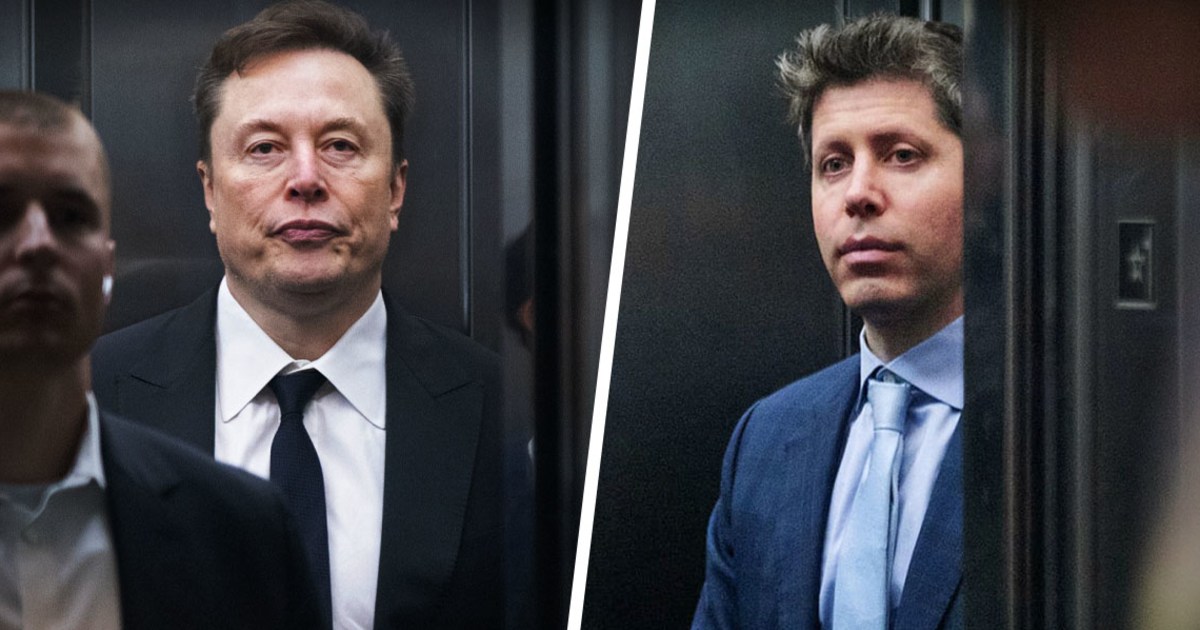
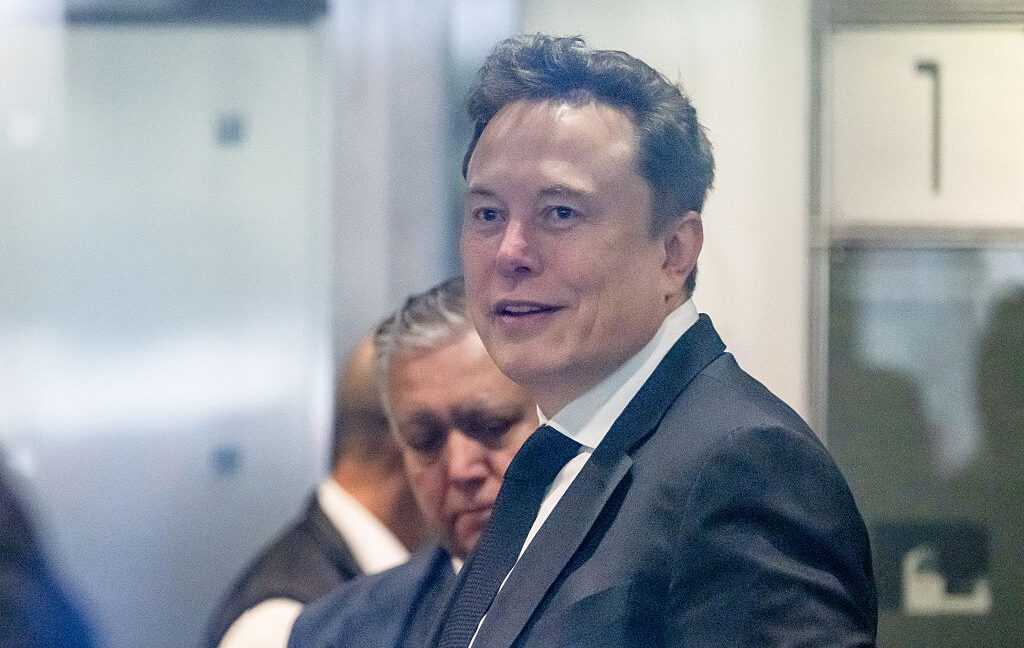
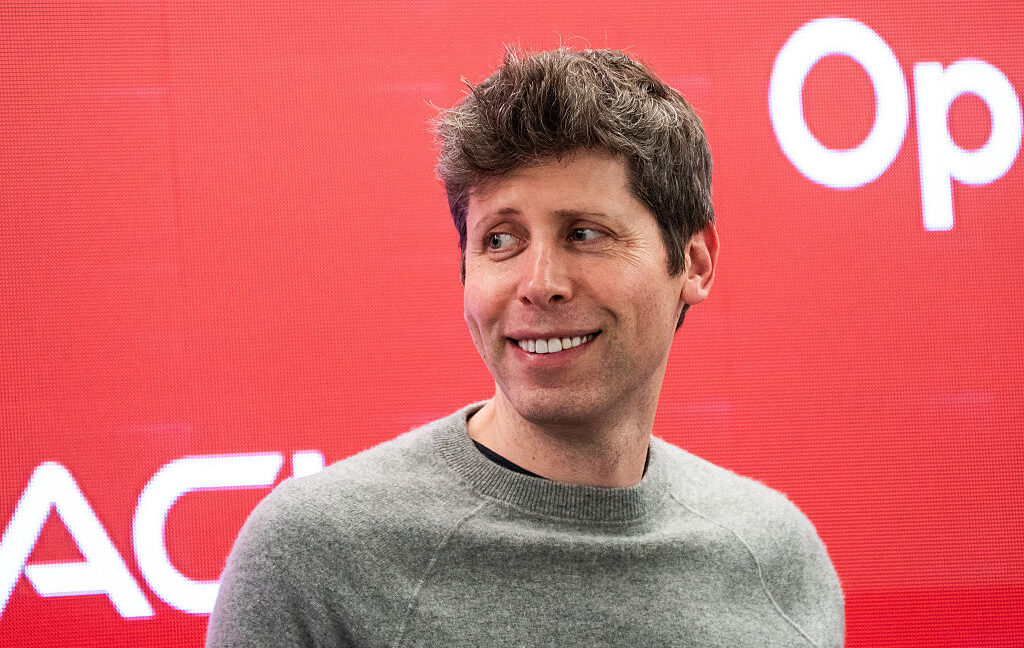
A jury has thrown out Elon Musk's high-profile lawsuit against OpenAI and co-founder Sam Altman in a stunning defeat that took less than two hours to decide. The unanimous verdict represents a major legal setback for the Tesla and SpaceX CEO, who had accused the artificial intelligence company of betraying its original charitable mission and stealing proprietary technology.
The jury ruled that Musk had waited too long to bring his claims against OpenAI, effectively ending a legal battle that had attracted widespread attention in the tech industry. The case centered on Musk's allegations that OpenAI had abandoned its founding principles as a nonprofit organization dedicated to developing AI for the benefit of humanity, instead becoming a profit-driven enterprise aligned with Microsoft.
Musk's legal team had argued that OpenAI violated agreements made when he was a co-founder and early investor in the company. The lawsuit sought damages and attempted to force OpenAI to return to its original nonprofit structure and open-source approach to AI development. However, the brief jury deliberation suggests that the statute of limitations arguments presented by OpenAI's defense team were compelling and clear-cut.
The swift verdict represents a significant victory for OpenAI and Altman, who have faced intense scrutiny over the company's transformation from a research nonprofit to a commercial powerhouse valued at over $80 billion. The case had threatened to expose internal documents and communications that could have damaged OpenAI's reputation and business relationships, particularly its partnership with Microsoft.
Legal experts viewed the case as a test of how courts would handle disputes over the governance and mission of AI companies, which often begin as research organizations before pursuing commercial opportunities. The jury's quick decision suggests that founders and early investors have limited ability to challenge corporate transformations through litigation if they wait too long to act, setting an important precedent for the rapidly evolving artificial intelligence industry.