Jury Throws Out Elon Musk's Lawsuit Against OpenAI in Less Than Two Hours
Unanimous jury rules that Musk waited too long to sue OpenAI and co-founders Sam Altman over alleged breach of founding agreements.
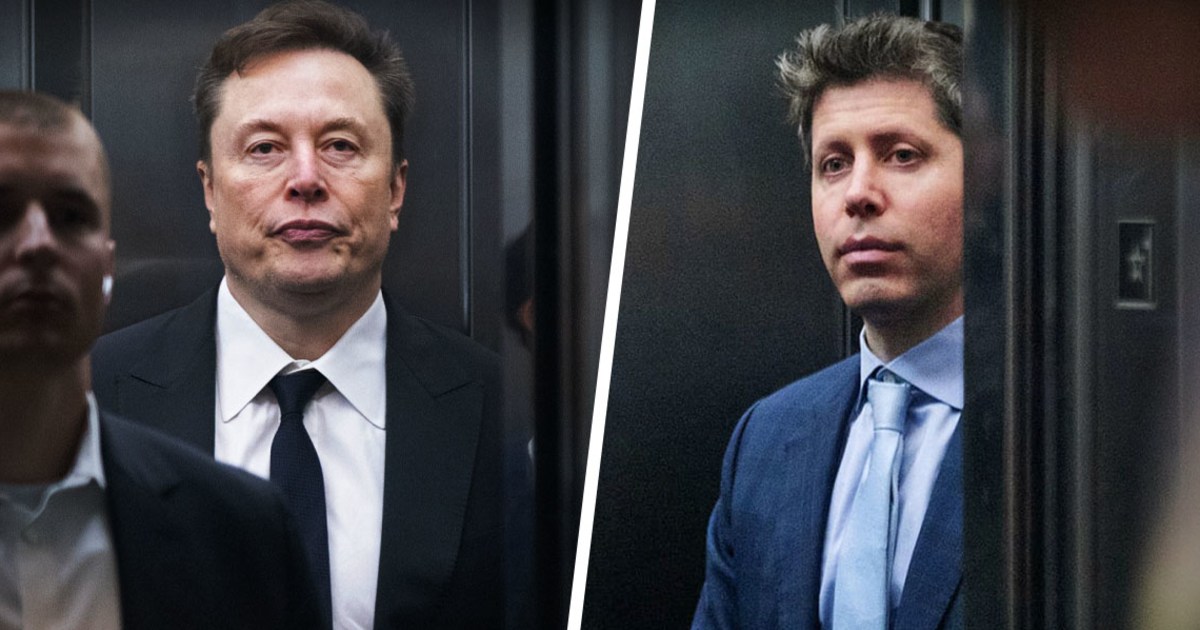
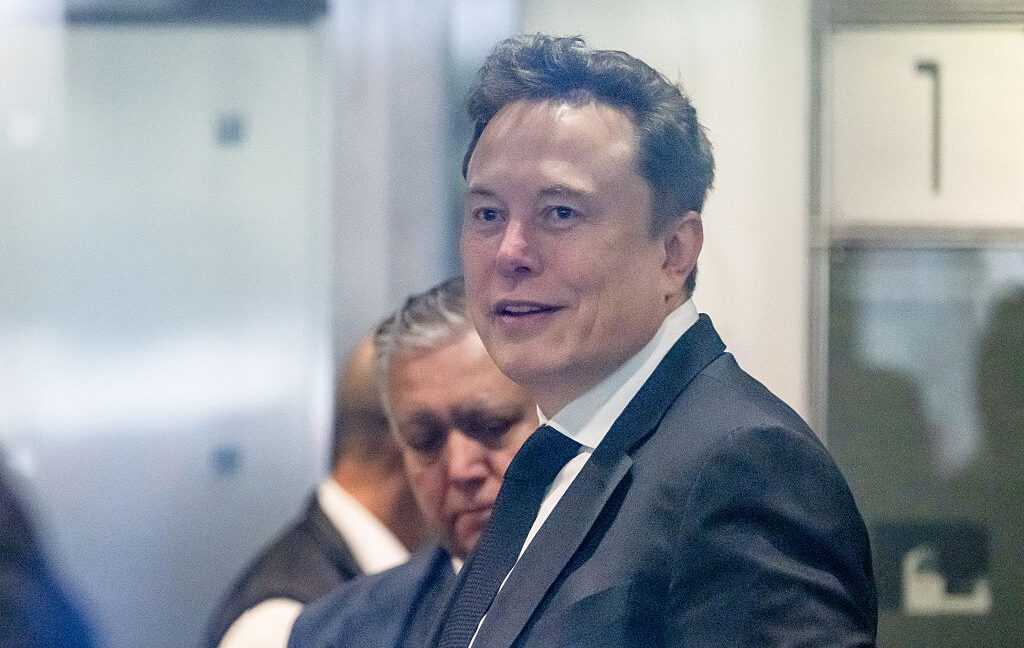
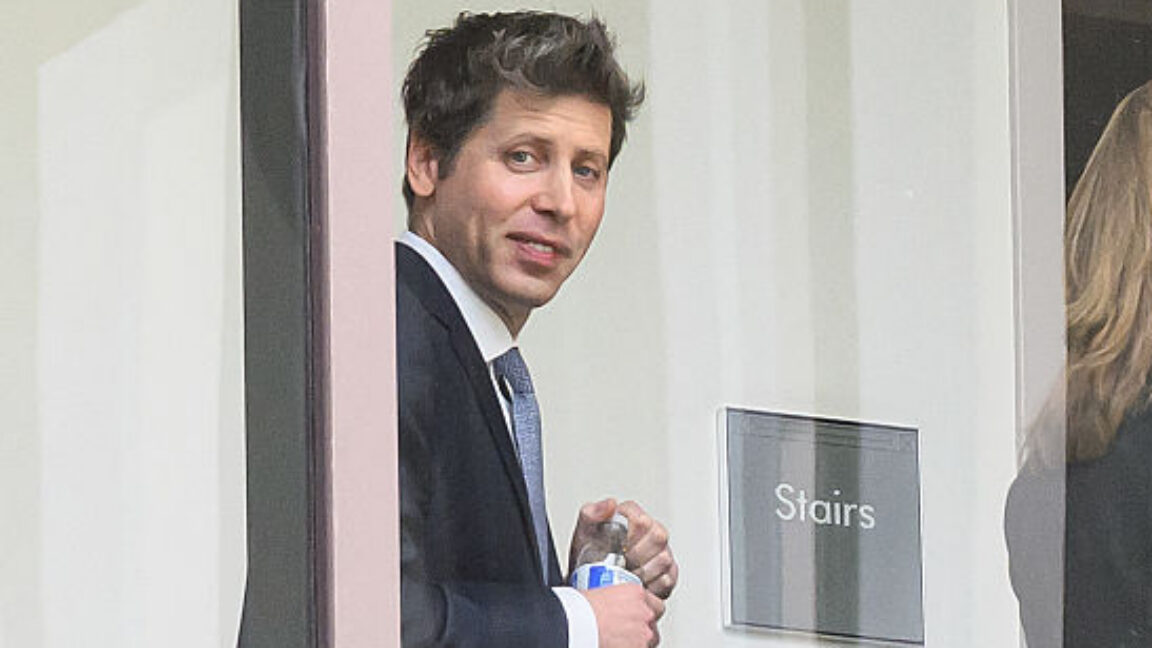
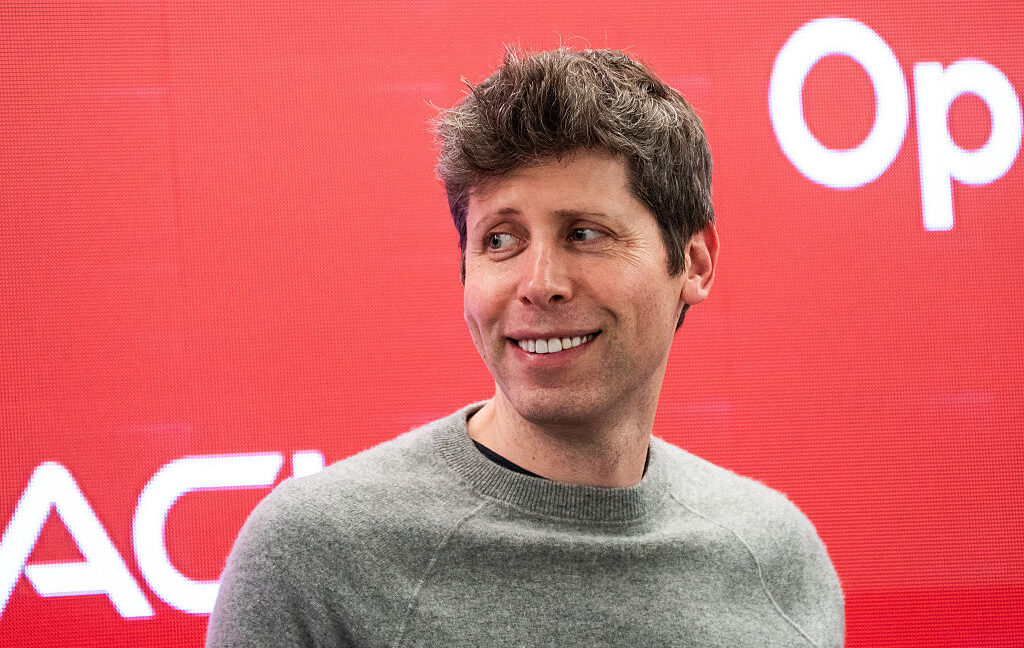
A federal jury unanimously dismissed Elon Musk's high-profile lawsuit against OpenAI and its co-founders, including CEO Sam Altman, after deliberating for less than two hours. The jury ruled that Musk had waited too long to file his legal challenge, effectively ending one of the most closely watched technology industry disputes in recent years. The swift verdict represents a significant legal victory for OpenAI and validates the company's position that Musk's claims lacked merit.
Musk's lawsuit alleged that OpenAI and its leadership had violated founding agreements by transforming the company from a nonprofit organization focused on developing artificial intelligence for humanity's benefit into a for-profit entity worth billions of dollars. The Tesla and SpaceX CEO claimed that OpenAI's partnership with Microsoft and its commercial AI products betrayed the original mission he helped establish when he co-founded the organization in 2015. Musk argued that he had contributed significant funding and resources based on promises that OpenAI would remain committed to open-source AI development.
The legal battle attracted intense scrutiny from the technology industry, as it highlighted fundamental tensions over how AI development should be structured and funded. Musk's allegations touched on broader concerns about whether AI companies are prioritizing profits over safety and public benefit. The case also raised questions about the enforceability of informal agreements among startup founders and the legal obligations that arise from early-stage corporate structures.
OpenAI's legal team successfully argued that Musk's claims were barred by the statute of limitations, noting that he had waited years after leaving OpenAI's board and witnessing the company's transformation before filing suit. The defense maintained that Musk was well aware of OpenAI's evolving business model and strategic partnerships long before launching his legal challenge. They characterized his lawsuit as an attempt to undermine a competitor after his own AI ventures began competing with OpenAI's products.
The unanimous jury verdict eliminates a major legal distraction for OpenAI as the company continues to compete in the rapidly expanding artificial intelligence market. For Musk, the loss represents a rare high-profile legal defeat and may complicate his ongoing efforts to position his own AI company, xAI, as an alternative to OpenAI's approach. The case's quick resolution also signals that courts may be skeptical of legal challenges that attempt to relitigate early-stage startup agreements years after the disputed changes occurred.