New Obesity Discovery Rewrites Decades of Fat Science
Scientists uncovered a surprising secret inside fat cells that could reshape how we think about obesity and metabolic disease.
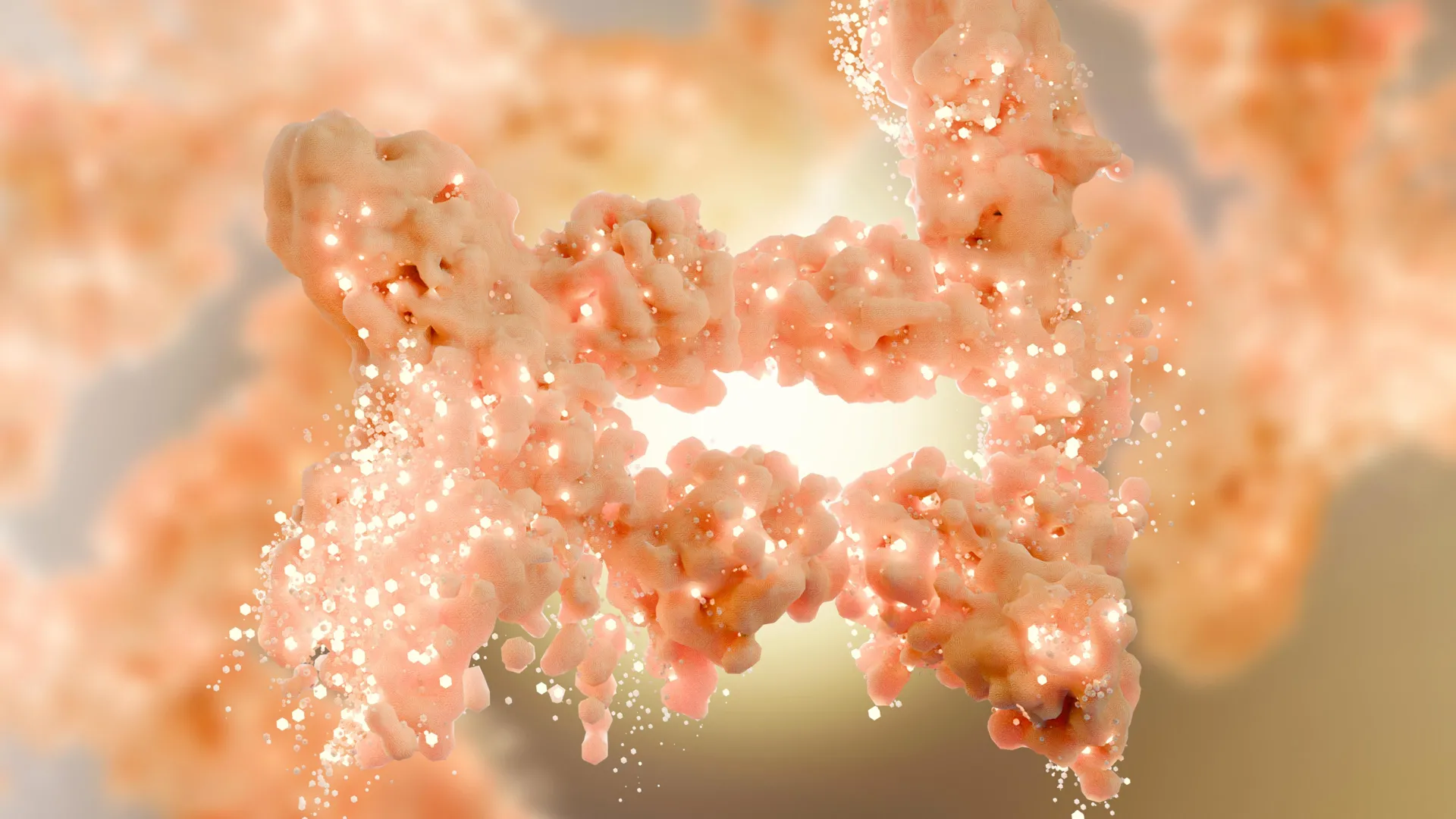
Scientists have uncovered a revolutionary discovery about fat cells that fundamentally challenges decades of established thinking about obesity and metabolic disease. A protein called hormone-sensitive lipase (HSL), long believed to function simply as the body's emergency fuel switch for releasing stored fat, has been found to have a completely unexpected second job deep inside the nucleus of fat cells, where it helps maintain cellular health and balance.
For decades, researchers believed they understood HSL's role in the body. The enzyme was thought to work primarily on the surface of fat droplets inside fat cells, helping release stored energy when the body needs fuel between meals or during fasting. Scientists logically assumed that removing HSL would prevent fat breakdown and lead to obesity. However, studies in both mice and people with mutations in the HSL gene revealed the opposite effect, showing they developed lipodystrophy, a rare condition involving dangerous loss of fat tissue rather than weight gain.
The breakthrough came when researchers at the Institute of Cardiovascular and Metabolic Diseases at the University of Toulouse discovered that HSL was operating in an entirely unexpected location within fat cells. The protein was found functioning inside the nucleus, the cell's control center where DNA is stored and important genetic activity is controlled. This nuclear location suggested that HSL plays a crucial role in regulating gene expression and maintaining the overall health of fat cells.
The discovery helps explain a puzzling medical paradox: why obesity and lipodystrophy, despite appearing to be opposite conditions, can produce many of the same health complications. In obesity, fat tissue becomes enlarged and dysfunctional, while in lipodystrophy, the body lacks enough properly functioning fat tissue. In both cases, fat cells fail to regulate energy normally, contributing to insulin resistance, type 2 diabetes, fatty liver disease, inflammation, and cardiovascular problems.
This research reveals that healthy fat tissue is not simply about how much fat the body carries, but critically depends on the quality and function of individual fat cells. The findings published in Cell Metabolism could lead to entirely new approaches for treating metabolic diseases, focusing on restoring proper fat cell function rather than simply targeting fat storage or removal. The discovery opens new avenues for understanding how fat cells communicate with other organs and how disruptions in these processes contribute to metabolic disorders that affect millions of people worldwide.