Long Island Rail Road Strike Strands Hundreds of Thousands in Monday Commute Chaos
New York transit officials warn alternate transportation cannot accommodate all LIRR riders as workers walk off job.
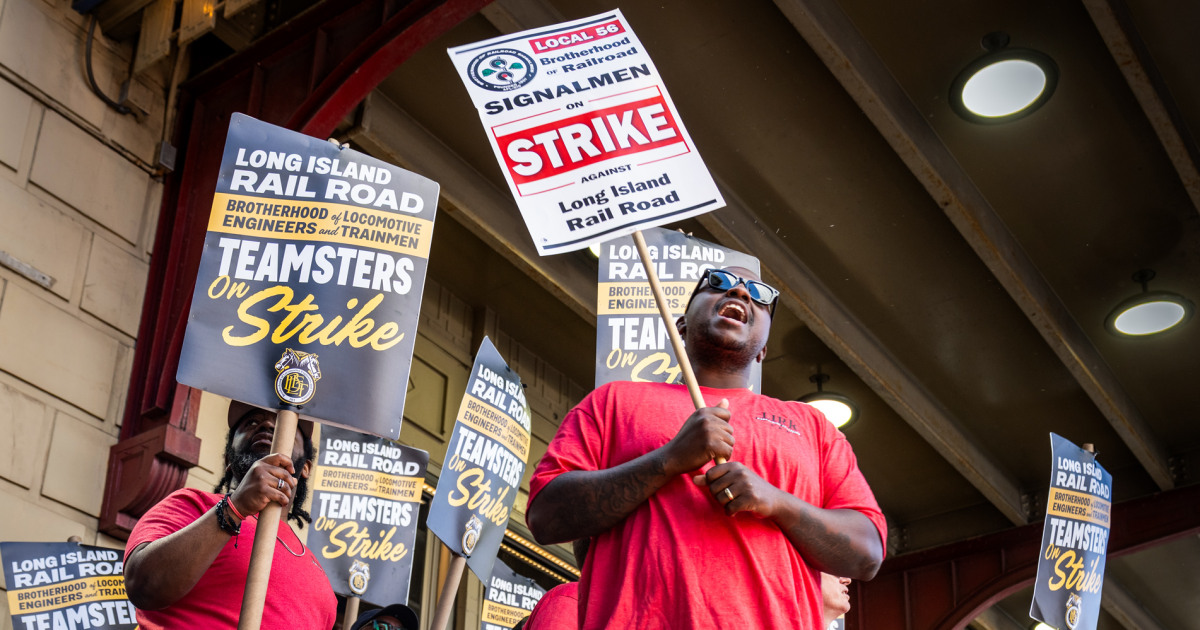
Hundreds of thousands of Long Island Rail Road commuters faced a chaotic Monday morning as transit workers launched a systemwide strike, forcing New York officials to urge residents to work from home and overwhelming alternative transportation networks across the region. The walkout has effectively shut down one of the nation's busiest commuter rail systems, creating transportation pandemonium for riders who depend on the LIRR to reach jobs in Manhattan and other destinations.
New York transit officials acknowledged that the alternate travel options hastily arranged for the strike could not accommodate the massive volume of displaced commuters. The LIRR typically carries more than 300,000 passengers daily, making it impossible for buses, ferries, and other backup systems to absorb even a fraction of the normal ridership. Governor Kathy Hochul's administration had been preparing contingency plans, but the sheer scale of the system made seamless alternatives virtually impossible.
The strike's timing during the Monday morning rush hour maximized disruption for workers throughout the New York metropolitan area. Many commuters reported being stranded at stations with little information about when service might resume, while others attempted to drive into Manhattan, creating additional traffic congestion on already overburdened highways and bridges connecting Long Island to the city.
Transit authorities scrambled to deploy additional buses and expand ferry service, but these measures provided only limited relief. "We're doing everything we can, but there's no way to replace the capacity of the LIRR overnight," said one transportation official who requested anonymity. The official noted that even if every available bus in the region were deployed, it would handle only a small percentage of typical LIRR ridership.
The economic impact of the strike extends far beyond inconvenienced commuters, affecting businesses, schools, and essential services throughout Long Island and New York City. Many employers reported significant absenteeism as workers either couldn't reach their jobs or faced hours-long delays using alternative transportation. The strike's duration remains uncertain, with no immediate signs of progress in negotiations between union representatives and LIRR management over the core disputes that triggered the work stoppage.