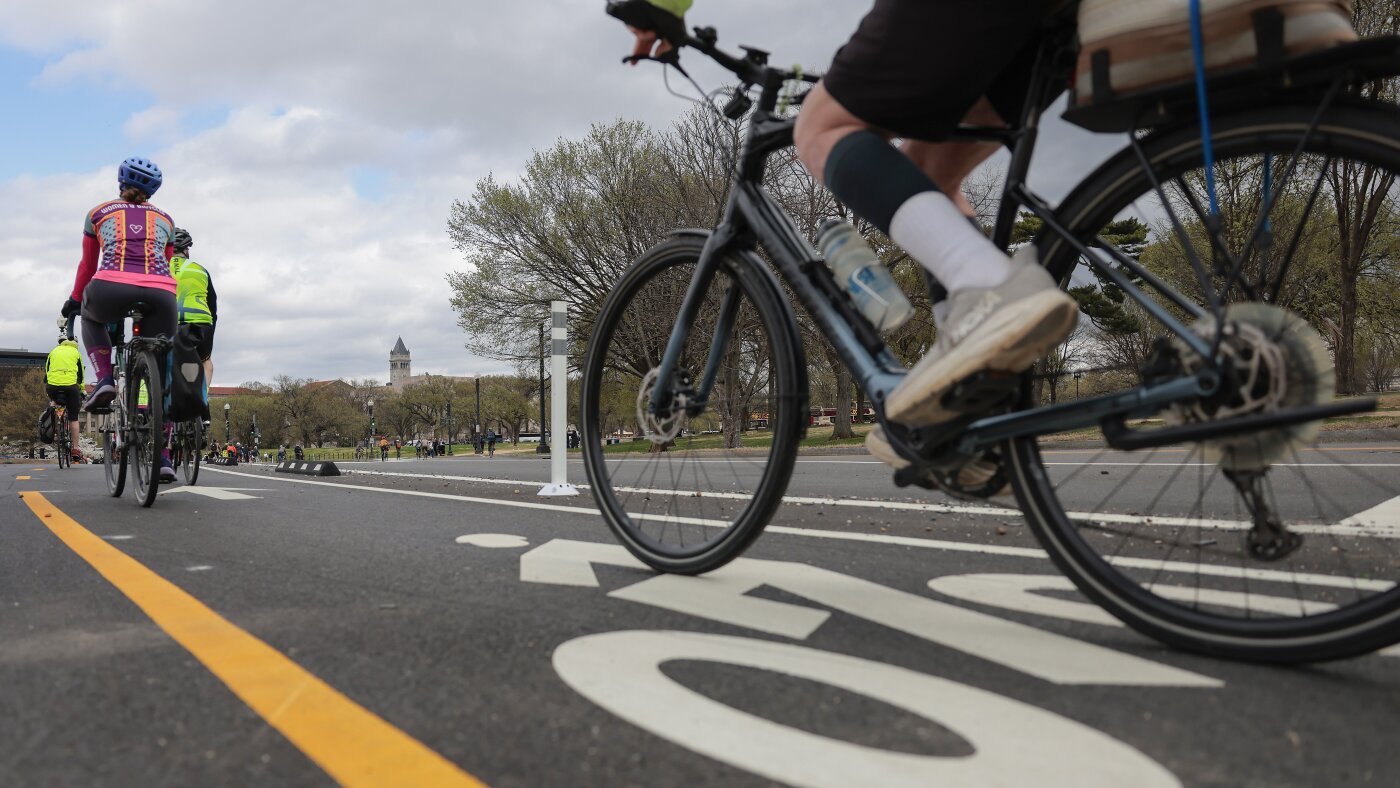
Judge Halts Imminent Removal of D.C. Bike Lanes Connecting Downtown to Tidal Basin
Federal court finds National Park Service improperly rushed plans to strip out bike infrastructure without proper environmental review.
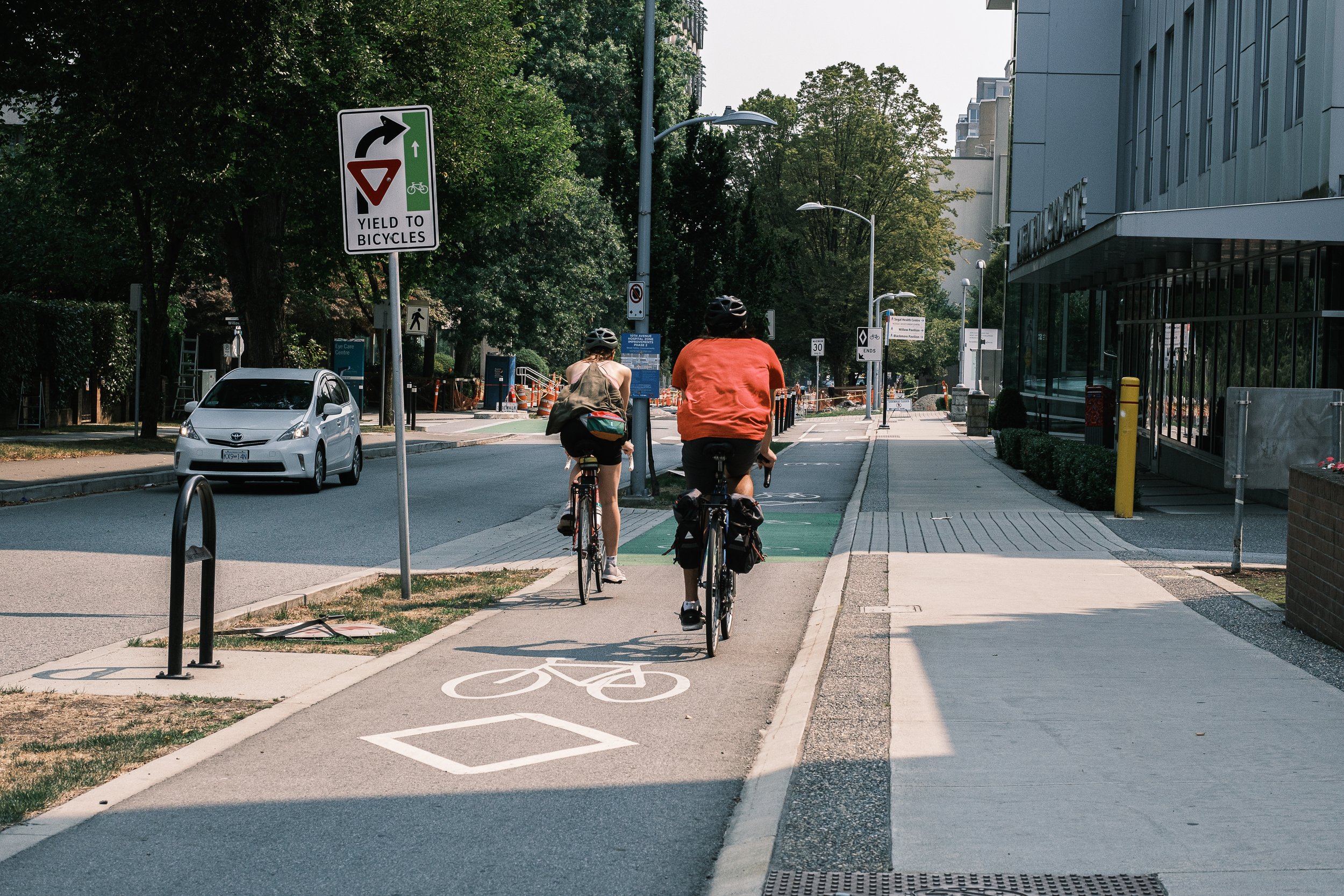
A federal judge has temporarily blocked the National Park Service from removing bike lanes that connect downtown Washington to the iconic Tidal Basin, finding that the agency improperly expedited plans to eliminate the cycling infrastructure. The ruling represents a significant victory for cycling advocates and urban planning groups who argued that the bike lane removal would harm both transportation access and environmental goals in the nation's capital. The judge determined that the Park Service failed to follow proper procedures in its rush to implement the bike lane elimination plan.
The contested bike lanes provide a crucial connection between downtown Washington and the Tidal Basin area, where the Jefferson Memorial and famous cherry blossoms attract millions of visitors annually. Transportation advocates had argued that removing these bike lanes would force cyclists onto busy roads or eliminate safe cycling access entirely to one of Washington's most popular destinations. The lanes were originally installed as part of a broader effort to improve sustainable transportation options and reduce vehicle traffic in the heavily visited area.
The National Park Service had argued that the bike lanes interfered with vehicle access and created safety concerns, particularly during peak tourism seasons when large crowds gather to view the cherry blossoms. Park officials claimed the lanes reduced available parking and complicated traffic flow management during major events. However, the federal judge found that the agency's environmental review process was inadequate and that the decision to remove the infrastructure was made too hastily without proper public input or analysis of alternatives.
Cycling advocacy groups and environmental organizations had mobilized opposition to the bike lane removal, arguing that the infrastructure represented an important component of sustainable transportation planning in Washington. They contended that removing the lanes would contradict federal goals for reducing carbon emissions and promoting alternative transportation methods. The groups also argued that the bike lanes served important equity functions by providing safe, affordable transportation access to recreational areas for residents who might not own vehicles.
The temporary injunction will remain in place while the court considers the full merits of the case challenging the Park Service's decision-making process. The ruling requires the agency to conduct a more comprehensive environmental review and provide additional opportunities for public comment before proceeding with any bike lane modifications. This case highlights ongoing tensions between vehicle access priorities and sustainable transportation infrastructure in high-profile federal park areas throughout the Washington region.