Gas Price Disparities Across States Highlight Complex Economic Factors
Shipping costs, taxes, competition levels and environmental regulations create stark differences in pump prices as the Iran war affects energy markets nationwide.

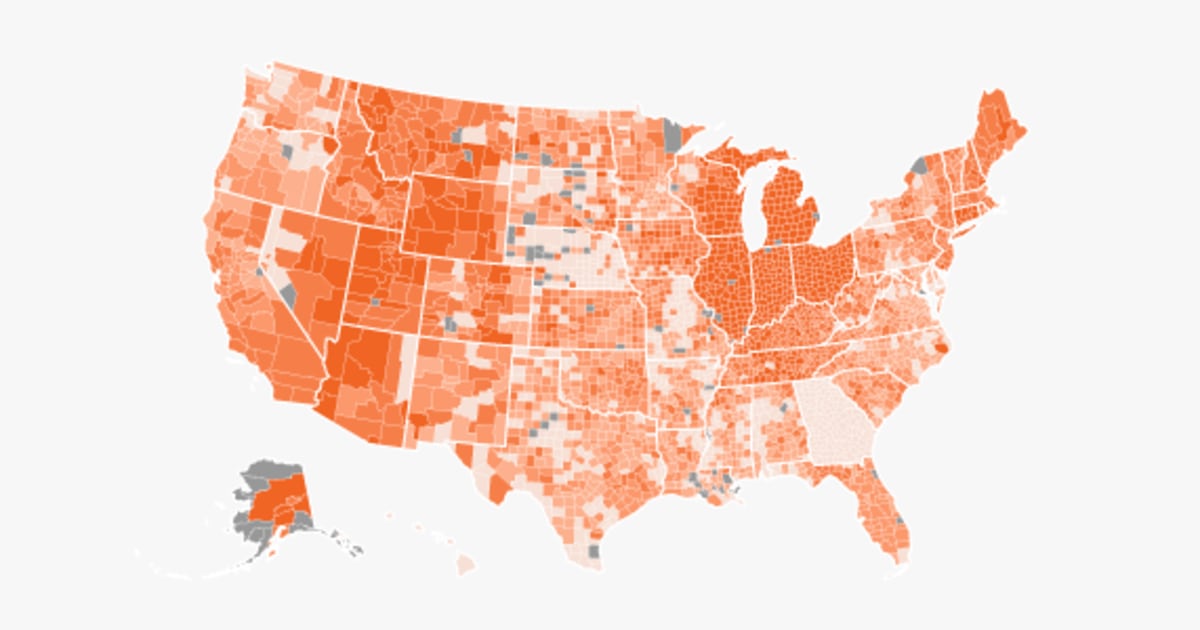
Gasoline prices vary dramatically across the United States, with shipping costs, state taxes, market competition, and environmental regulations all contributing to significant disparities that have become more pronounced during the ongoing Iran war. The complex interplay of these factors creates a patchwork of pricing that can see drivers in different states paying vastly different amounts for the same gallon of fuel, even as national average prices fluctuate with international events.
Shipping and distribution costs represent one of the primary drivers of regional price differences, as gasoline must be transported from refineries to retail locations across vast distances. States located far from major refining centers, particularly those in the Mountain West and upper Midwest, often face higher transportation costs that are passed on to consumers at the pump. Additionally, areas with limited pipeline infrastructure or those requiring truck or barge delivery typically see elevated prices compared to regions with robust distribution networks.
State and local tax policies create another significant source of price variation, with some states imposing substantially higher fuel taxes than others to fund transportation infrastructure and environmental programs. Environmental regulations also play a crucial role, as certain states require specialized fuel blends that cost more to produce and distribute. California, for example, mandates unique gasoline formulations that often result in higher prices compared to states with less stringent requirements.
Market competition levels further influence regional pricing patterns, with areas dominated by fewer gas station chains or suppliers often experiencing higher prices than regions with more competitive markets. Rural areas with limited retail options frequently see elevated prices due to reduced competition, while urban markets with multiple suppliers may benefit from more aggressive pricing strategies. The Iran war has amplified these existing disparities as supply chain disruptions affect different regions unevenly.
These pricing variations have become particularly visible as the Iran conflict impacts global energy markets, with some states experiencing more dramatic price increases than others based on their supply sources and infrastructure resilience. Understanding these regional differences helps explain why national average gas prices can mask significant local variations that directly affect consumers' daily expenses and regional economic conditions.