JPMorganChase, Visa and Mastercard Disclose Breaches at Third-Party Vendors
The banks say payment systems were unaffected, but customer names and emails were exposed, and a GAO report warns the food sector is also vulnerable to cyberattack.
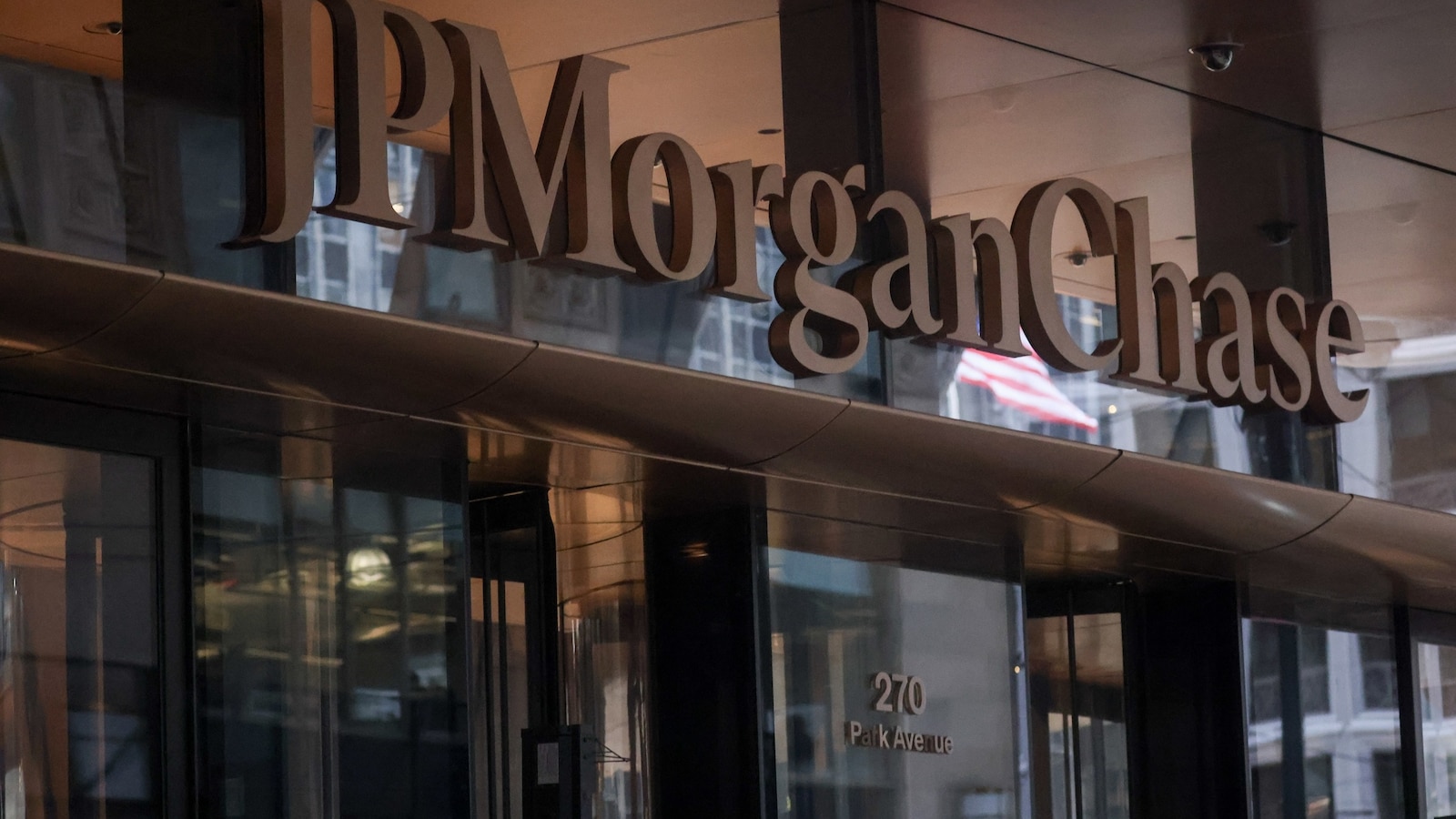
JPMorganChase, Mastercard and Visa each disclosed this week that outside service providers they rely on were hit by cyberattacks, exposing limited customer information. All three companies said their own payment systems were not affected.
JPMorganChase, the largest U.S. bank, said Thursday morning that "third parties who provide services" to the bank "were the target of a cyberattack." "Based on our investigation so far, we believe the attackers accessed certain marketing data held by those vendors, which may include some customer names and email addresses," the bank said, adding that there was "no disruption to our services." It did not say when the attack happened or name the vendors. "Where appropriate, we will contact affected customers directly and offer support, including complimentary credit monitoring," the statement said.
The bank said it found no connection between the vendor breach and the service disruptions some customers experienced earlier in the week. On Monday, JPMorganChase said it had technical issues that triggered online delays across several major U.S. banks, and it blamed that outage on a "software bug."
Mastercard said Thursday that one of its third-party providers was hacked. "We were recently informed of an incident at a third-party provider that resulted in the exposure of [a] limited amount of email addresses – non-payments information – from a small subset of cardholders enrolled in a specific benefit program," the company said. Visa said earlier in the week that it knew one of its providers had suffered a data breach. "They are associated with an incident involving a third-party service provider in Asia Pacific," Visa said. "Visa's systems were not involved and were not impacted. No payments data such as card numbers were affected."
The disclosures come amid a run of technology failures. Microsoft, United Airlines, Apple and Marriott have reported separate outages recently, and the National Security Agency's internal system for sending classified messages reported technical problems this week. The White House also replaced its national cyber director amid the wave of outages. Officials have not tied the incidents to one another, and the banks have said their own outage and the vendor breaches are unrelated.
A separate warning landed Thursday from the Government Accountability Office, which said the nation's food sector is increasingly open to cyberattack. The watchdog found that the Department of Agriculture and the Food and Drug Administration reported having "limited resources to address critical cybersecurity activities, such as information sharing and cybersecurity emergency preparedness activities." The GAO said neither agency has run emergency response exercises for the sector since 2024. It recommended that the agencies conduct preparedness drills, share threat information with the Cybersecurity and Infrastructure Security Agency, and write plans for coordinated action in a cyber emergency.
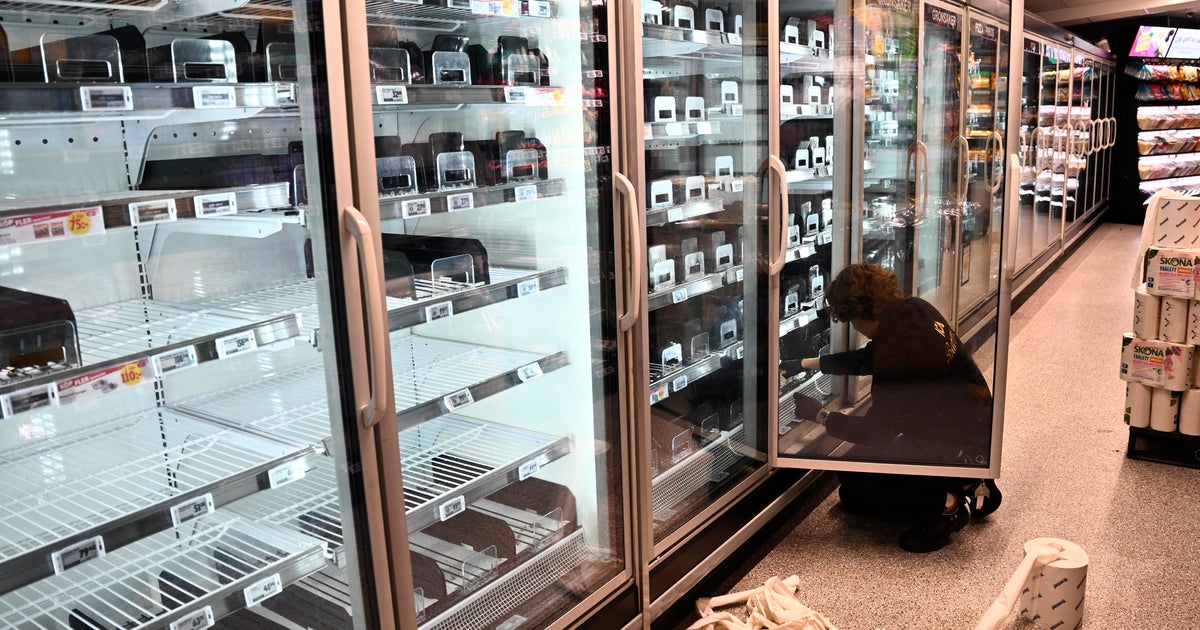
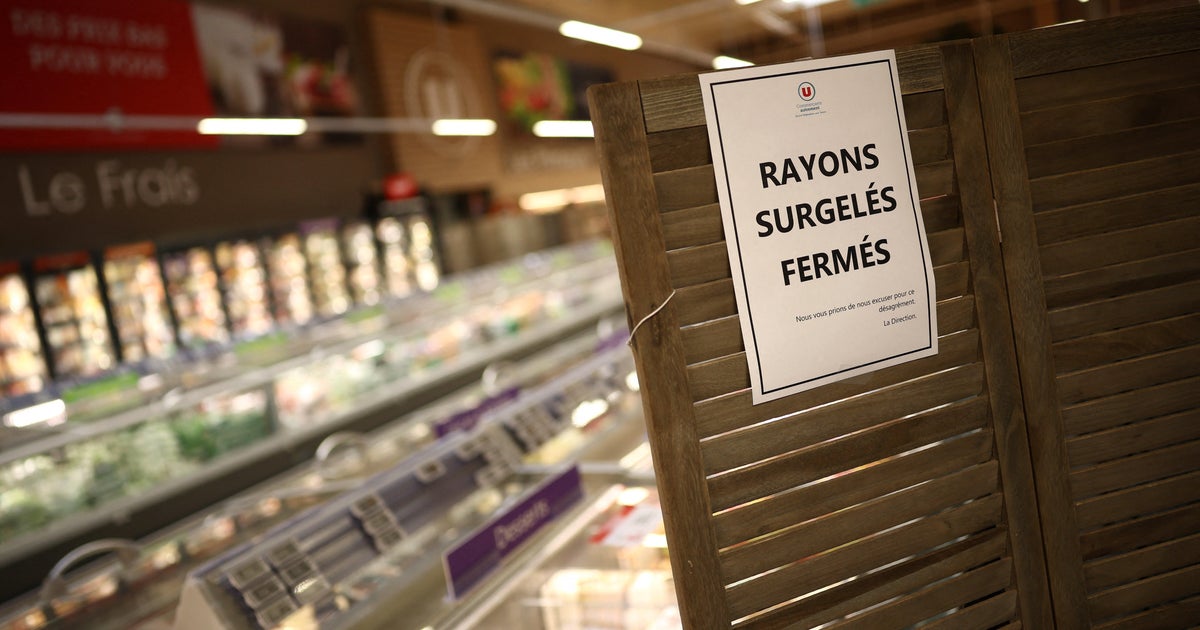
The report arrives a week before Thanksgiving. In October, attackers targeted grocery stores in France, and French authorities blamed Iran. Hackers raised the temperature on supermarket refrigerators, which spoiled food and, in some cases, started fires. The GAO said the food and agriculture sector is one of the nation's 16 critical infrastructure sectors and that cyberattacks "could result in unsafe food and could erode public trust and faith in the food supply."