An Iranian Strike Tore a Wing Off an A-10 in Jordan. Eight F-15s Were Damaged Too
U.S. forces fired more than 30 Patriot missiles defending Muwaffaq Salti Air Base overnight. No American deaths were reported.
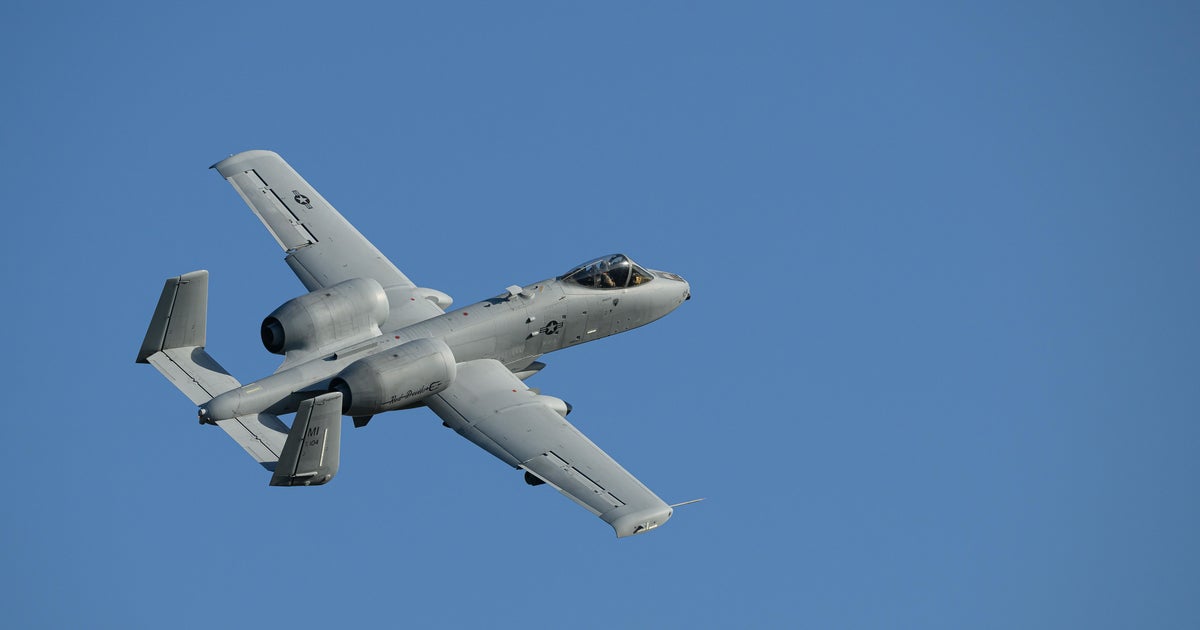
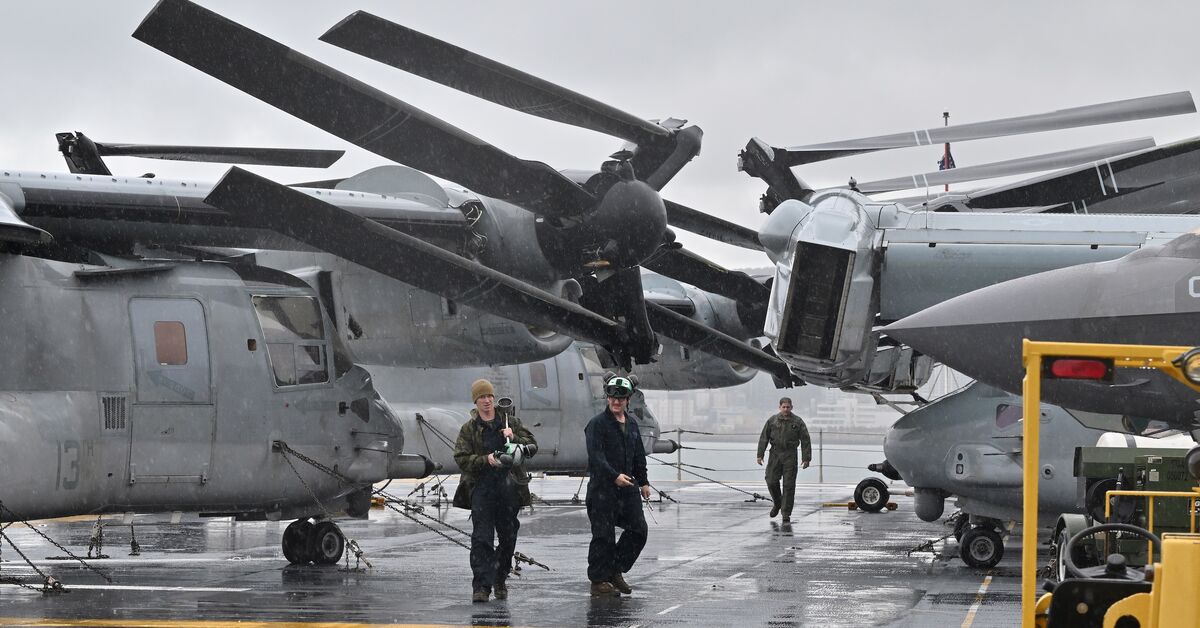
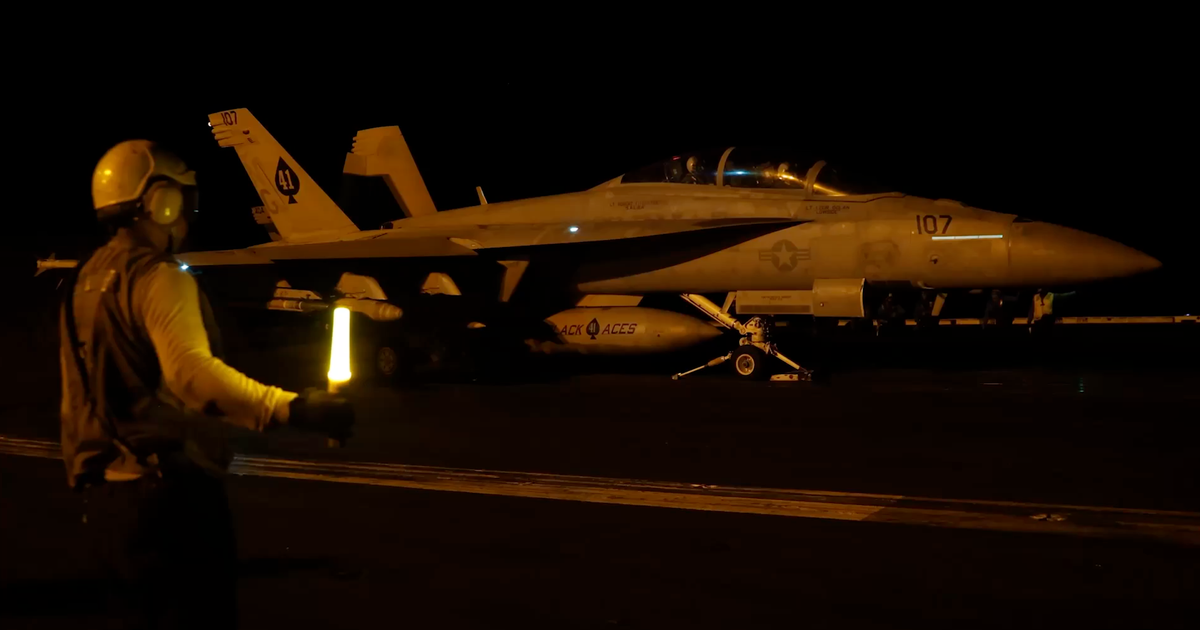
Iranian missiles damaged several American military aircraft at Muwaffaq Salti Air Base in Jordan overnight Tuesday into Wednesday, according to people with direct knowledge of the attack who spoke to CBS News on the condition of anonymity because they were not authorized to discuss it publicly.
One A-10 Thunderbolt II — the ground-attack jet the Air Force and everyone else calls the Warthog — was hit and lost a wing. Roughly eight F-15s took lighter damage and were repaired and returned to service. No U.S. deaths have been reported from the strikes in Jordan.
Defending the base burned through munitions the Pentagon does not have in abundance. U.S. forces in Jordan launched more than 30 Patriot interceptors during the attack. CBS News has previously reported that U.S. officials are worried about a rapidly shrinking stockpile of Patriots and other precision munitions, a concern that has grown through six months of war with Iran and competing demand from partners in Europe and the Gulf.
The exchange followed a familiar escalation ladder. The United States said Tuesday it had attacked five Iranian tankers in retaliation for Iran targeting a U.S. Navy warship. Iran's Islamic Revolutionary Guard Corps then claimed it had struck eight tankers and two warships, along with the base in Jordan. Muwaffaq Salti, near Azraq in the eastern desert, has been one of the main American air hubs in the region and has been targeted repeatedly since the war began.
Speaking to reporters before flying to Texas on Wednesday, President Trump tied Iran's tempo directly to the November elections. "I think the war will end immediately after the election, because they can't hold out any longer," he said. "They're desperate to try and affect the election so we can get a nice, weak group of people in there and leave them alone and let them have their nuclear weapon." He added: "All they want is a nuclear weapon and if they had a nuclear weapon the whole world is in deep trouble."
Asked whether he was pursuing talks with Tehran before the midterms, Mr. Trump said he is not. "We're not looking for it, to be honest," he said. "Originally I wanted to make a deal. We're so far down the line, they have very little country left right now, so we're not looking for it. Yes, a negotiation could possibly happen but it's not something we're looking at."
The damage assessment matters beyond the airframes. The A-10 fleet is small and aging, and the Air Force has spent years trying to retire it; losing one to a missile strike on the ground is the kind of loss that does not get replaced. The F-15s being back in service within a day suggests fragmentation damage rather than direct hits, which is what a layered Patriot defense is supposed to produce — but 30-plus interceptors for one night of defense is an expensive rate to sustain, at roughly $4 million per missile.
The war's political shadow is now unmistakable on both sides. Democrats have made the Iran conflict a central midterm argument, and the president has begun describing Iranian attacks as election interference aimed at his party. What happens on the ground in the next eight weeks — at Muwaffaq Salti, in the Gulf, and in the Red Sea, where Iran-aligned Houthi forces seized the port of Mokha on Thursday — will keep testing that framing.